
REVIEW · HISTORICAL TOURS
New Orleans: Tremé African American & Creole History Tour
Tremé is where New Orleans music starts. On this 105-minute walking tour, you’ll connect Creole culture to jazz, civil rights, and the everyday people who kept shaping the city.
The tour stands out for its licensed local historian guides and its stop list that goes beyond photo ops. I especially like the way you’re led to meaningful places like St. Augustine Church and the Tomb of the Unknown Slave, then you get the stories behind them in plain language.
One drawback to plan for: it’s rain or shine, you’ll be walking for the full stretch, and large bags or luggage are not allowed.
Key things I’d circle before you go
- Start at The Voodoo Lounge, then walk in a straight line into the heart of Tremé
- St. Augustine Church on the route, a strong anchor for Creole and Black community life
- Tomb of the Unknown Slave, a stop that turns remembrance into something you feel
- A modern brass band connection, not just old-school jazz talk
- HBO Tremé locations, so the TV version of the neighborhood comes with real context
- Jazz legends born here, including Jelly Roll Morton, Alphonse Picou, and Trombone Shorty
Why Tremé is the best place to start your New Orleans story
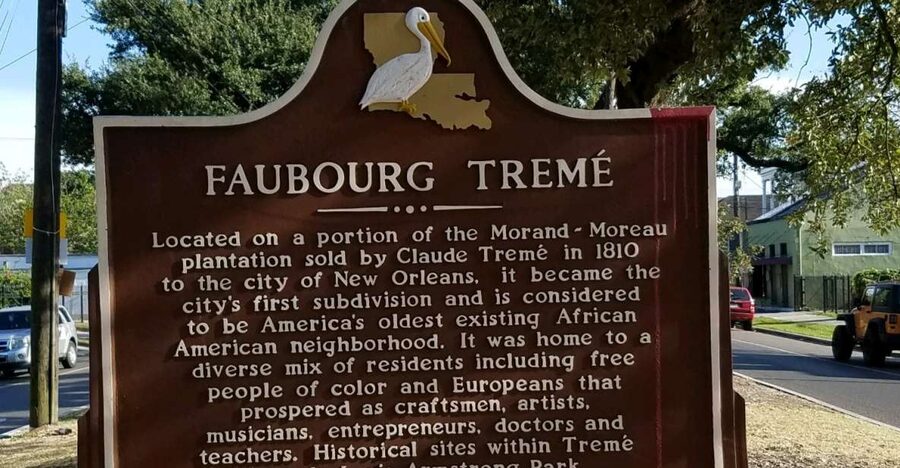
If you only do the French Quarter, you miss the part of New Orleans that built its musical identity from the ground up. Tremé is tied to African American and Creole life in a way that is not theoretical. You see it in the streets, the landmarks, and the rhythm of what people still do today.
This tour is built around that idea: music did not appear from nowhere. It grew out of community life, faith, hardship, organizing, and the sheer daily insistence that culture should survive. That’s what makes this tour feel different from the typical “history as facts on a plaque” approach.
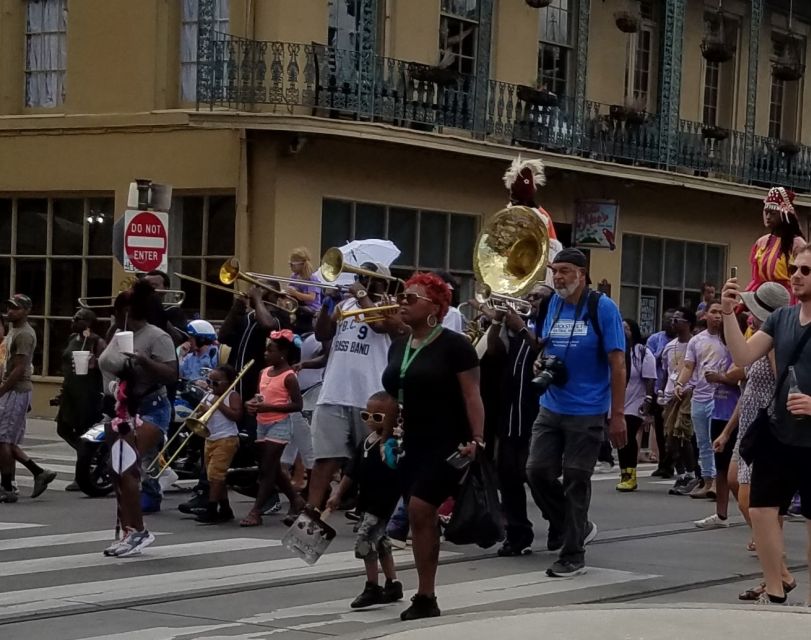
You’ll hear the rise of jazz and the modern brass band tradition side by side. That matters, because New Orleans is not only about the past. It’s also about what kept moving after the cameras left and the first songs became standards.
More music and neighbourhood history in Treme and Marigny


Getting your bearings at The Voodoo Lounge
Your meeting point is The Voodoo Lounge, 718 N. Rampart St., right at the corner of N. Rampart Street and Orleans Street, on the edge of the French Quarter. Check in is inside the lounge, and you’ll pick up wristbands from the box office.
This is a practical setup. You’re starting near where most people are already wandering, so you do not have to build a complicated commute. And once you’re out on the route, the guide keeps the walk purposeful, so 105 minutes actually feels like a complete mini-story instead of a random neighborhood stroll.
Bring comfortable shoes. Also, don’t show up with luggage or big bags. The tour is designed for a walk through streets that are, at times, tight and crowded. Think light daypack.
St. Augustine Church: faith, community, and everyday power
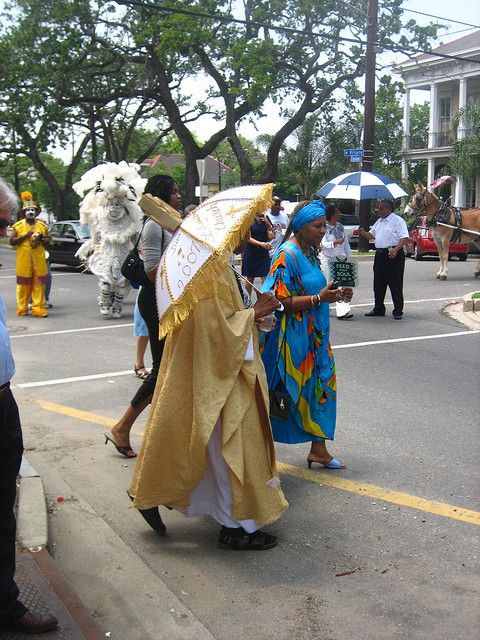
One of the first landmark stops you can expect is St. Augustine Church. This is not just a pretty exterior moment. It’s a way to understand how faith networks and community networks worked together in Tremé.
For me, the value here is how the guide frames the church in the wider story of African American and Creole life. You’re not being asked to guess what you’re looking at. You’re learning why a place like this mattered to people who had to organize, protect each other, and keep going through difficult eras.
Even if churches are not your usual travel stop, you’ll likely appreciate the context. It helps you read Tremé as a living neighborhood, not a set of historic backdrops.
The Tomb of the Unknown Slave: memory with weight
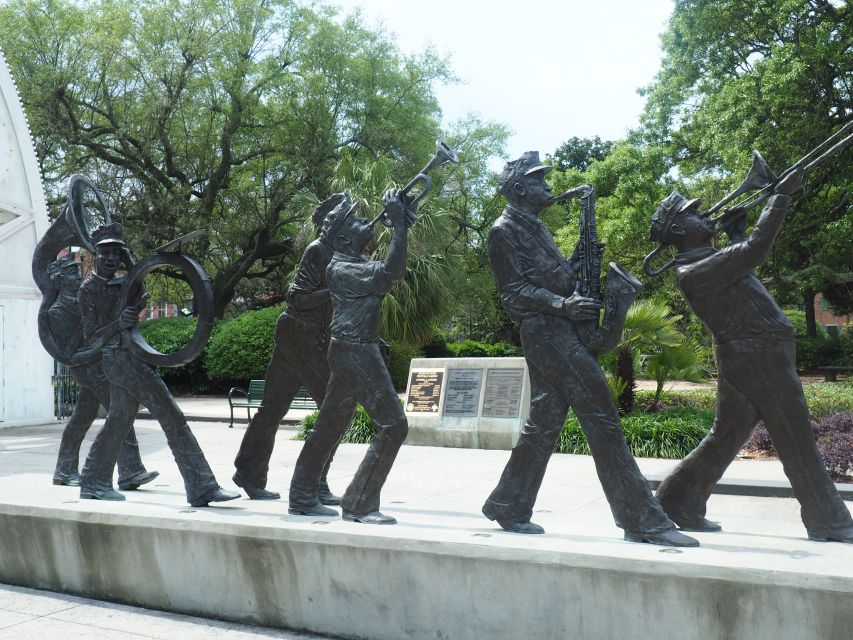
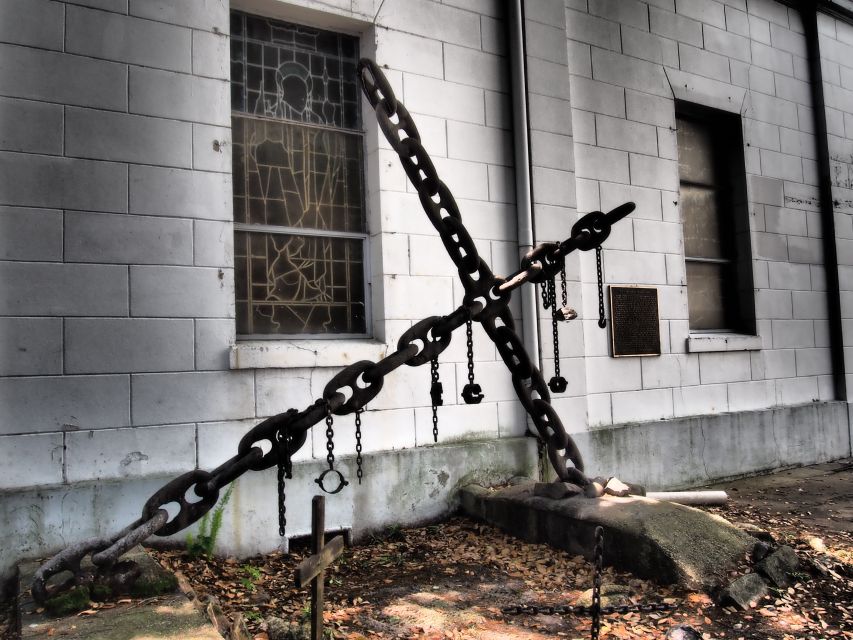
Next up on the tour route is the Tomb of the Unknown Slave. This is the kind of stop that changes your posture. You slow down without being told to. The guide’s job is to make sure this place is understood as real remembrance, not just a check-the-box site.
You can expect discussion of the lives of enslaved Africans and free people of color, including the parts of New Orleans history that the city tried to hide, minimize, or forget. That theme shows up again and again in the tour, so the tomb stop feels like a center of gravity.
If you’re the type who likes your history straight and grounded, you’ll probably love this portion. If you prefer only light topics, you might find it heavy, but the tour keeps it respectful and human.
The jazz sidewalk route, from births to brass bands
This tour connects the neighborhood to musicians you’ve likely heard on records or on street-corner performances. Names that may come up include Jelly Roll Morton, Alphonse Picou, and Trombone Shorty. That is more than trivia. It places creative genius inside a community that produced, taught, and supported music-making.
A smart way to enjoy this segment is to listen for how the guide ties music to places and people. Jazz here is not treated like a distant invention. It’s treated like something that came out of real life, including work, family, faith, and resilience.
You’ll also hear about the modern brass band tradition. This part is useful even if you think you know New Orleans music already. You start understanding what makes the brass band tradition feel like continuity, not a replacement for older styles.
And yes, on some days you may hear music used as a guide tool. Multiple guides have used music selections during the walk to link what you’re hearing to what the guide is explaining. If you’re the kind of visitor who learns best with sound, this will click fast.
A few more ways to spend the day around New Orleans



HBO Tremé locations, plus the real-world context
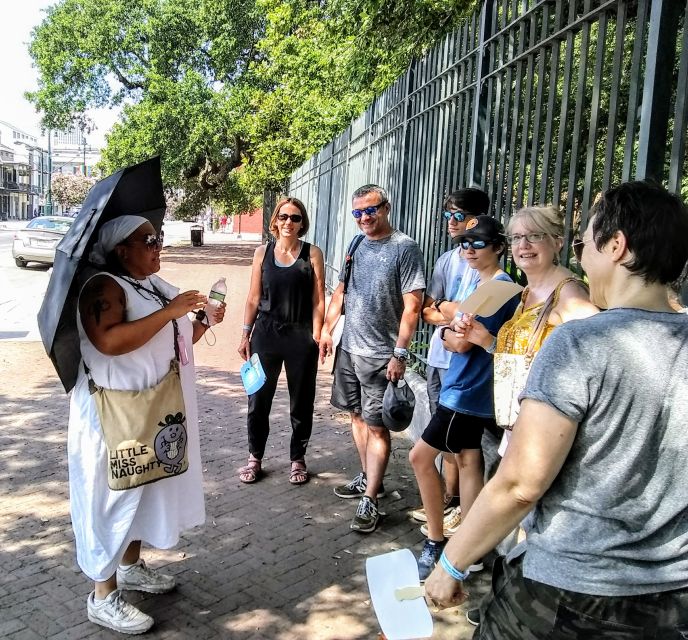
The tour includes locations connected to the HBO series Tremé. That’s a fun hook, but the deeper win is what the guide does next. The stories behind the scenes help you see what a TV production can suggest, then what actual neighborhood history adds.
You might also get details about how parts of the neighborhood changed, especially where older streets and landmarks intersect with later memorial spaces. Some guides have pointed out the kinds of razed neighborhood sites that now fall near areas like Louis Armstrong Park, connecting it to intersections that shaped daily life.
I like when a tour gives you a recognizable anchor like HBO Tremé and then refuses to keep it shallow. It turns a show you’ve seen into a neighborhood you can read.
The laundromat stop and why it matters
One standout item in the experience outline is an unusual one: you’ll see the only laundromat that made its way into the Rock and Roll Hall of Fame. That’s exactly the kind of detail that makes Tremé feel specific rather than generic.
Here’s why that stop is worth your attention. In a neighborhood tour, laundromats can feel like filler until a guide explains their role in community life, local gathering patterns, and how people built culture around ordinary places.
This is also where the tour’s tone helps. It doesn’t treat Tremé like a museum exhibit behind glass. It treats everyday life like history.
Congo Square and the Prayer Tree moment
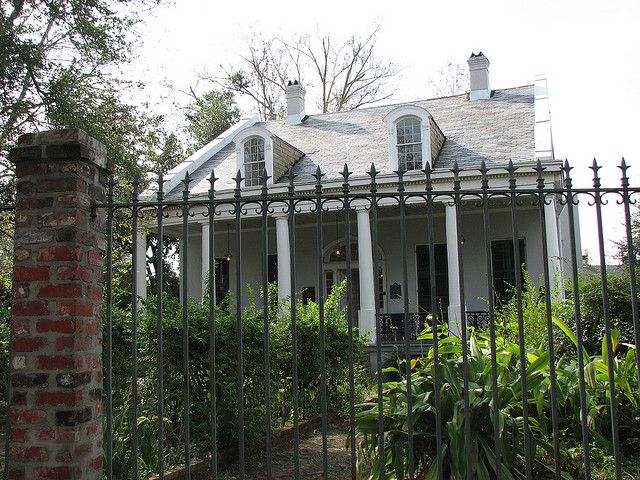
Some tours may include a stop connected to Congo Square, including a pause at the Prayer Tree for a ritual moment. This is the part of the tour that can feel quietly powerful, because it ties music and community to spiritual practice.
If you get this inclusion, be ready for a change in pace. The best guides handle it with care, giving you enough room to observe without turning it into a spectacle.
Even if your particular group schedule doesn’t include this exact moment, the guide can still connect Congo Square to the broader story of African cultural influence on New Orleans music traditions.
Perseverance Hall, Lodge stories, and MLK day energy
On certain dates, you might get a special look inside Perseverance Hall or the Lodge, and potentially a connection with MLK day events such as a parade or march. That timing can make the tour feel extra alive, because you’re not only learning about the civil rights movement, you’re seeing how community leadership continues.
Even without an MLK day add-on, the tour’s emphasis on civil rights history is clear. Tremé’s story is part of how organizing and public action shaped the city, and that thread helps you connect the music story to a broader fight for dignity.
How long is the walk, and how it feels on the day
The tour runs 105 minutes, which is a solid chunk of walking but not a full marathon. Most people can handle it if they pack the basics: comfortable shoes and patience.
The tour operates rain or shine, so plan for weather. In January, you might get cold snaps, and guides have adjusted to real conditions during winter tours. In summer, you’ll still be out there in the heat, so bring sun protection and stay flexible.
A small but important detail: check-in is inside the Voodoo Lounge, and you receive wristbands there. That means you should arrive a few minutes early. Do not let yourself start the walk rushing.
Price and value: why $22 is a fair deal
At $22 per person for 105 minutes, this tour is priced like a neighborhood experience, not a luxury lecture. The value comes from three places.
First, you’re paying for a licensed guide who is a local historian. That’s different from generic “I read a few facts online” narration. Second, the tour uses landmarks you cannot easily connect on your own without research, including the Tomb of the Unknown Slave and the St. Augustine Church stop.
Third, the tour pays attention to the music, not just history. You’ll learn how jazz is connected to Tremé people and how modern brass bands continue the tradition. If you like music-based travel, this is one of the best uses of a short time window in New Orleans.
The tour does not include food or beverages, so if you want a snack plan, you’ll need to grab it elsewhere before or after.
Who this tour suits best
This tour is a great fit if you want New Orleans to feel human, specific, and connected. You’ll probably enjoy it if you’re curious about African American and Creole history and you want it tied to music, not separated into another day.
It’s also a strong start for first-time visitors who want a big picture fast. A single neighborhood tour can give you a clearer understanding of why the city sounds the way it does.
If you want only light entertainment and do not care about civil rights context, this may feel more serious than you expected. If you can handle weighty history with respect, it will likely be one of the most meaningful things you do in New Orleans.
A quick guide to expectations, so you don’t miss the point
- Expect walking for the full 105 minutes, so wear comfortable shoes and dress for weather.
- Expect real community landmarks, including St. Augustine Church and the Tomb of the Unknown Slave.
- Expect music to be part of the teaching, not just background.
- Expect HBO Tremé locations, but with real-world context added.
- Expect the guide to keep you engaged. Many groups have described strong storytelling and a helpful, question-friendly approach.
One practical tip: come with a couple of questions in your mind, even if they are simple. Ask how the neighborhood’s Creole culture and African heritage shaped music, or how the civil rights movement connected to local organizing. Good guides love that kind of conversation.
Should you book the Tremé African American and Creole History Tour?
Yes, book it if you want the New Orleans you cannot get from postcards alone. For $22 and a little over an hour, you’re getting a walking tour that connects jazz origins, Creole culture, and civil rights history through real places.
Skip it only if you dislike walking in the weather, or if you know you only want purely upbeat stories. This tour deals with remembrance and inequality, and it does so with respect.
If your schedule is tight, I’d treat this as a top priority. It gives you a foundation that makes the rest of your trip make more sense, especially when you hear brass bands or think about how jazz became the city’s signature sound.
FAQ
How long is the Tremé African American and Creole History Tour?
The tour lasts 105 minutes.
How much does the tour cost?
The price is $22 per person.
Where do I meet the guide?
Meet at The Voodoo Lounge, 718 N. Rampart St., on the corner of N. Rampart Street and Orleans Street, at the top of the French Quarter.
What are some of the main stops on the tour?
The tour includes stops such as St. Augustine Church, the Tomb of the Unknown Slave, and a laundromat with a connection to the Rock and Roll Hall of Fame story.
What language is the tour conducted in?
The tour is conducted in English.
Is the tour wheelchair accessible?
Yes, the tour is wheelchair accessible.
What should I bring and wear?
Wear comfortable shoes, and for outdoor comfort you may want sun protection as recommended.
Is the tour run in bad weather?
Yes, tours operate rain or shine.
What is not allowed during the tour?
Luggage or large bags are not allowed.
More Tour Reviews in New Orleans






More African American Heritage Tours in New Orleans
More Treme & Marigny Tours


More ways into New Orleans


Historical Tours, compared.
 ★ 5.0New Orleans Garden District History Walking TourFrom $352,879 reviews
 ★ 5.0French Quarter Historical Sights and Stories Walking TourFrom $352,724 reviews
 ★ 4.5New Orleans Small-Group Haunted History Carriage TourFrom $652,289 reviews
 ★ 4.5New Orleans Haunted History Ghost TourFrom $302,084 reviews
 ★ 4.5Paddlewheeler Creole Queen Historic Mississippi River CruiseFrom $471,948 reviews
 ★ 5.0New Orleans Food and History Walking TourFrom $851,544 reviews
 ★ 4.3Creole Queen History Cruise with Optional LunchFrom $471,112 reviews
 ★ 5.0New Orleans Cocktail and Food History TourFrom $160819 reviews
Browse the lists this tour appears in