

REVIEW · HISTORICAL TOURS
Crescent City History Tour
French Quarter secrets start with a simple walk. This tour is a guided circuit through the French Quarter and around Jackson Square, with stops focused on historic landmarks and how voodoo practice and famous figures fit into New Orleans culture. The biggest payoff is the guide, and the stories stay entertaining even for families and teens, but the time on foot is real, and bar crowds can stretch the walk toward the longer end.
I like the clear setup: it starts at 941 Bourbon St, at the gate to the Lafitte’s Blacksmith Shop courtyard, not inside the bar. You can pick morning, afternoon, or evening departures, and the tour ends in the heart of the Quarter so you can keep exploring afterward.
One thing to plan for: this is mainly an outside walking experience. You do not get entry into private locations, drinks are not included, and like most New Orleans walking tours, it runs rain or shine so you need to dress for heat, cold, and sudden weather.
Key things to know before you go

- Meet at the Lafitte’s courtyard gate on Bourbon St (not inside, not at a street corner).
- Jackson Square is the anchor with viewing time near St. Louis Cathedral, the Presbytere, and Cabildo.
- Voodoo is part of the storytelling including practice and famous figures tied to the city’s past.
- Guides can handle mixed ages. Cody stood out for keeping an NCIS request appropriate and engaging for a family with teens.
- You keep moving as a group. No wandering off for photos, and bars can slow the schedule a bit.
- Expect photos, not recordings. Video or audio recording is not allowed, but pictures are encouraged.
Meeting at 941 Bourbon St, not inside Lafitte’s

This tour is easy to start if you show up at the right spot. You meet at 941 Bourbon St at the gate of the courtyard attached to Lafitte’s Blacksmith Shop. The tour does not meet inside the bar, and it does not meet on the corner of the streets. That sounds tiny, but in the French Quarter that difference saves you from circling like a confused tourist for 15 minutes.
Bring a charged phone because the ticket is mobile. You’ll also be given a confirmation at booking time, and the tour is in English. The meeting area is in the middle of the Quarter, and it’s close to public transportation, which helps if you’re hopping around between neighborhoods.
Also, do not plan to be late. The rules are blunt: tours depart on schedule, and if you miss the group, there is no refund. If you’re even a few minutes behind, the guide may not still be waiting at the gate.
You can also read our reviews of more city tours in New Orleans



How the 1 to 2 hour walking loop feels in real life
The tour runs about 1 to 2 hours, depending on which time slot you choose and how the pacing goes. It’s a moderate walk, but you should still expect uneven sidewalks and a steady stream of storytelling while you’re on foot. If you have limited mobility or you prefer long museum breaks, you’ll likely feel the lack of sit-down time.
One practical detail that can change your timing: the tour mentions bar wait time. Some bar stops can be busy, and that can slow the group down. The upside is that it’s part of what makes a French Quarter walking tour feel real, not staged. The trade-off is you can’t count on a perfectly tight schedule.
Finally, this tour doesn’t do the slow, stop-every-10-minutes style. You’ll stay with the group the whole time, and you can’t walk off just to take a photo. That keeps the narration moving, but it means you should plan to do your best photos quickly when the guide pauses.
Jackson Square, St. Louis Cathedral, Presbytere, and Cabildo

If you want a fast orientation to the Quarter, this is the part you’ll be glad you did. The route spends time at Jackson Square, one of the most recognizable open spaces in New Orleans. From there, you’ll look at major historic buildings tied to the city’s story, including St. Louis Cathedral, the Presbytere, and Cabildo.
Here’s why this works so well for your trip: you get the visual anchor first. Those buildings define the skyline and the plaza layout, so later when you walk back on your own, everything snaps into place. Instead of saying, I’m standing here, you start seeing connections between the architecture and the people who shaped the Quarter.
Another plus is how the guide blends architecture and culture while you’re walking. The point is not just to name buildings. It’s to help you understand why these places matter and how different traditions became part of everyday New Orleans life.
And because this is mostly about viewing from public areas, you don’t have to manage timed museum tickets. You can keep the momentum without turning your day into a scheduling puzzle.
Old Ursuline Convent Museum and the French Quarter blocks around it

After Jackson Square, the tour continues through the surrounding blocks. You’ll spend time in the same general orbit as the Old Ursuline Convent Museum area, plus other standout landmarks nearby. The tour includes unique architecture and historic stops, and it stays focused on what you can see and learn from the street.
One consideration: the tour notes that no entry is gained inside private locations. That means your experience is shaped by exterior viewing and guided explanations rather than walking into every featured building. If your dream French Quarter tour is mostly museum interiors, you may want a second activity on top, after this one.
Still, this approach fits the typical first-time visit. You get context quickly, and you can choose later what you want to go back for. The guide’s street-level explanations make those follow-up visits feel smarter instead of random.
Beauregard-Keyes House and the New Orleans Pharmacy Museum stop

The tour also includes time near the Beauregard-Keyes House and the New Orleans Pharmacy Museum. These are the kinds of stops that make the French Quarter feel like a living archive. They’re not just postcard backdrops. They offer a glimpse into how the city used old spaces, repurposed buildings, and kept history visible through everyday streets.
What I like about including stops like these is that it breaks up the big-name focus. Yes, Jackson Square is the headline. But these other landmarks remind you the Quarter is also about smaller details, the sort of things you might miss if you’re only hunting for the most famous view.
Just remember what the tour is designed to do. It’s a walking narrative. You won’t be treated like you have unlimited time to linger inside every exhibit. If a stop sparks your interest, that’s your cue to do a return visit later.
You can also read our reviews of more historical tours in New Orleans





Lafitte’s Blacksmith Shop: where your tour starts and why it matters

Your tour officially begins at the gate of the courtyard attached to Lafitte’s Blacksmith Shop. You’ll see the bar area early, but the important part is how it sets the tone. Starting here makes sense because Bourbon Street is where New Orleans legends get real. The street feels story-driven, and the guide can tie that atmosphere to the city’s wider cultural mix.
The tour also warns you not to expect to meet inside the bar, and not to expect the group to gather at street corners. If you arrive at the right gate, you get a smooth start. If you don’t, you risk missing departure.
This is also where you’ll likely get your first burst of orientation. Good guides use the beginning to calibrate your thinking, and this one is set up to do that quickly. You’re not waiting around. You’re stepping into the Quarter with a guide who knows how to connect landmarks to bigger themes.
Voodoo practice and famous figures, handled as city culture

A big highlight is the guide’s discussion of voodoo practice and famous figures. The key for your expectations is to treat it as part of New Orleans culture, not as a cheap thrill. The tour is framed as a history-focused walk, and the voodoo stories are meant to help you understand the city’s mix of traditions.
New Orleans has long had overlapping religious traditions and community practices. Even if you don’t know anything going in, the guided explanations help you hear the stories in context. You start noticing how beliefs, rituals, and local folklore shaped the way people talked about the world and the way they made meaning.
One more practical note: the tour operator includes a very clear reality check. They do not guarantee paranormal activity. And if you’re using paranormal equipment, you can, but it must be checked out at the start and it’s tracked. They also list a fee for lost or damaged equipment. So if you’re thinking about this as a ghost-hunting outing, shift gears and treat it as a guided cultural history experience with a darker flavor.
Bars, pacing, and how to avoid turning your tour into a stress test

The walking tour includes opportunities along the route connected to bars, including a note that tour guides may offer to-go bars or windows for people who prefer not to go inside. But the main message is about pacing. This isn’t a loose stroll. The guide has to stay on schedule, and you cannot leave the group to take photos.
What that means for you: be ready to move. If you’re traveling with someone who stops for every picture, you’ll want a quick agreement in advance that you’ll capture photos at the guide’s pauses rather than breaking away.
It also helps to remember the tour is structured around narration. That means the guide won’t be answering phones once the tour starts, and late arrival is handled strictly. If you’re the type who sends a ton of texts while walking, keep your phone use minimal during the tour window and focus on staying with the group.
Price and value: $35 for a guided French Quarter orientation
At $35 per person, this is priced like a value walking tour, not a museum-heavy day. For that money, you get a local guide, a structured route, and a chance to see major landmarks around Jackson Square plus several additional historic stops.
The real value is the guidance. In the French Quarter, it’s easy to feel like you’re wandering in pretty chaos. A good guide gives you a framework, so you can walk the area later and connect what you see with what you learned on the tour.
You don’t get drinks included, and you shouldn’t plan on this replacing a full museum schedule. But if what you want is a guided story walk that helps you understand the Quarter quickly, the price makes sense for the time you’re getting.
Who should book this tour, and who should skip it
This tour is a strong fit if you:
- Want a guided French Quarter intro without building a complex itinerary.
- Like history with cultural storytelling, including voodoo practice and famous figures.
- Are traveling with teens or a mixed-age group that needs a guide who can keep things engaging. Cody is specifically praised for making sure an NCIS request stayed appropriate and fun.
- Prefer seeing lots of exterior landmarks and learning from the street, not hopping between paid indoor sites.
You may want to skip or pair it with other plans if you:
- Need mostly indoor time or museum entry as the main event.
- Hate any kind of walking, uneven sidewalks, or group pacing.
- Expect guaranteed paranormal sightings. The tour explicitly says there is no promise of supernatural encounters.
If you fall in the first group, this tour helps you get your bearings fast and adds meaning to the landmarks you’ll otherwise just photograph.
Should you book the Crescent City History Tour?
I’d book it if your goal is simple: get a guided, story-driven walk through the French Quarter that helps you understand what you’re seeing. The combination of Jackson Square viewing, classic landmark stops, and voodoo cultural storytelling is a practical way to make your day feel connected instead of random.
I’d think twice if you want a museum day or if you need lots of free time to roam on your own. Since you stay with the group, and the route depends on pacing and occasional bar crowds, it’s better suited to people who like structure.
If you book, do one smart thing: arrive early, check in at the courtyard gate by Lafitte’s, and dress for the weather. Then let the guide do the work of turning the Quarter from a maze into a map.
FAQ
Where do I meet for the Crescent City History Tour?
You meet at 941 Bourbon St, New Orleans, LA 70116, at the gate of the courtyard attached to Lafitte’s Blacksmith Shop Bar. The tour does not meet inside the bar, and it does not meet at the corner of the streets.
How long does the tour last?
The walking tour lasts about 1 to 2 hours approximately, with a moderate pace.
What will I see around Jackson Square?
The tour includes time around Jackson Square to view historic buildings such as St. Louis Cathedral, the Presbytere, and Cabildo.
Does the tour include voodoo content?
Yes. The tour includes learning about the practice and famous figures of voodoo.
Do we enter private locations or private buildings during the tour?
No. No entry is gained inside private locations during the tour.
Are drinks included?
No. Drinks are not included, and you can purchase drinks along the route.
Is the tour cancelled if it rains?
The tour is rain-or-shine. If it is cancelled due to poor weather, you will be offered a different date or a full refund.
More City Tours in New Orleans


More Tours in New Orleans




More Tour Reviews in New Orleans


More ways into New Orleans


Historical Tours, compared.
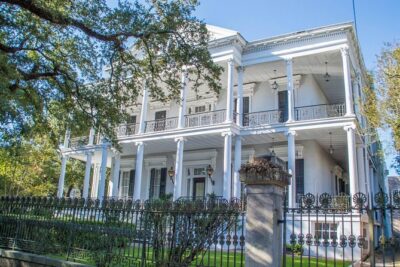 ★ 5.0New Orleans Garden District History Walking TourFrom $352,879 reviews
 ★ 5.0French Quarter Historical Sights and Stories Walking TourFrom $352,724 reviews
 ★ 4.5New Orleans Small-Group Haunted History Carriage TourFrom $652,289 reviews
 ★ 4.5New Orleans Haunted History Ghost TourFrom $302,084 reviews
 ★ 4.5Paddlewheeler Creole Queen Historic Mississippi River CruiseFrom $471,948 reviews
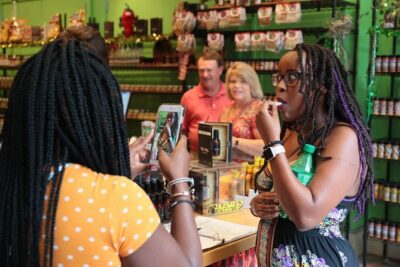 ★ 5.0New Orleans Food and History Walking TourFrom $851,544 reviews
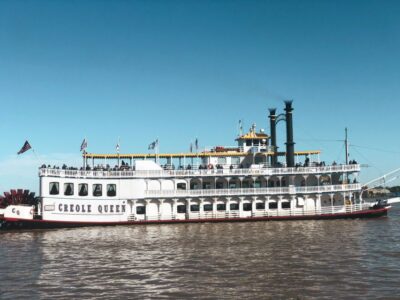 ★ 4.3Creole Queen History Cruise with Optional LunchFrom $471,112 reviews
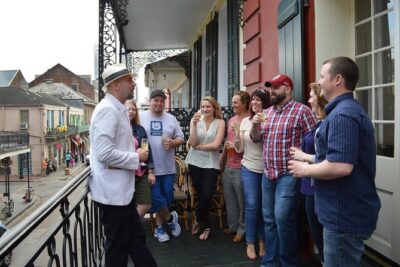 ★ 5.0New Orleans Cocktail and Food History TourFrom $160819 reviews
Browse the lists this tour appears in