

REVIEW · CAJUN & CREOLE COOKING CLASSES
New Orleans: Traditions Cooking Class
The smell of spices in New Orleans is instant joy. This hands-on class teaches Cajun and Creole cooking basics fast, in a small group setting with step-by-step help from the chef.
You get a clear path from first chop to finished plate, plus real context on where these dishes come from and why they taste the way they do. If you like cooking and want the “how” behind the flavor, this format is made for you.
One possible drawback: it is not suitable for children under 10, so plan accordingly if you are traveling with kids who are younger.
Key things that make this class a smart New Orleans food stop

- Small group limit of 10, so questions do not get lost in the crowd
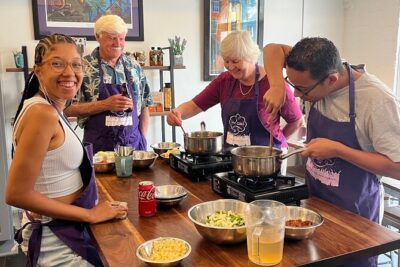
- Hands-on Cajun and Creole recipes instead of watching from the sidelines
- Jambalaya and New Orleans style barbecue shrimp are the centerpiece dishes
- Chef instruction in English, with lively back-and-forth during cooking
- Chef-led history and technique tips that help you recreate the food at home
Suite 101 and the relaxed start before you cook

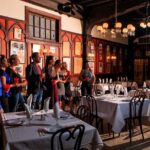
The class begins at Suite 101 on the ground level. Plan to arrive a bit early so you can settle in before aprons go on and everyone starts working together.
The first stage is simple: you meet your classmates in a relaxed setting, get briefed, and then you start cooking. That matters more than it sounds. When everyone is comfortable early, the class feels like a dinner party with a cooking lesson, not a formal demonstration. In small groups, you also tend to get more personal feedback on what you are doing right, and what might be off.
You will be taught by an English-speaking instructor who leads the kitchen flow while keeping the atmosphere friendly and entertaining. In past sessions, the teaching vibe has been described as warm and funny, with instructors like Chef Raymond, Erika, and Coach. That kind of tone is not just for fun, it helps you focus on the steps instead of panicking over timing.
If you want a New Orleans activity that does not require advanced cooking skill, this is the kind of structure you will appreciate.
More Cajun and Creole cooking sessions in New Orleans
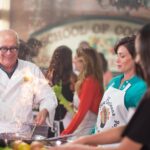
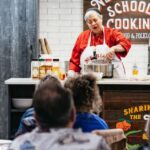
Hands-on Cajun and Creole technique, not just recipes
This is a true cooking class, meaning you do the work. You will learn professional-style techniques, seasonings, and how to build flavor through the cooking process, not just by following a list of ingredients.
Cajun and Creole cooking can feel confusing at first, because the labels get used casually. In the class, you get practical explanations of how cooking styles differ and how the seasonings do their job. You also get tips for common mistakes, which is the part that usually makes home cooking fail. Even if you enjoy cooking already, it is useful to hear the “why” behind steps like when to add certain seasonings and how to manage heat.
The chefs also keep the pace moving for a 3-hour session, so you are not stuck waiting for someone else to finish. That hands-on rhythm is one reason people come away feeling proud of what they made, not just stuffed.
Also, because the group is limited to 10 participants, you are more likely to ask a question and get an answer that fits what you are doing in your pan right now.
Jambalaya and barbecue shrimp: what you are actually learning

The menu centers on two Louisiana favorites: Jambalaya and Barbecue Shrimp (New Orleans style). You will use classic Cajun and Creole meats in the jambalaya, and you will learn how the flavors come together in the pot.
Jambalaya is a great choice for a class because it teaches multiple skills at once. You are working with a mix of proteins and seasonings, and you have to understand how flavors develop as everything simmers together. Even if you have made jambalaya before, the class approach helps you improve the method, especially around seasoning balance and timing.
Barbecue shrimp is the other highlight, and it is not what you might expect if you only know shrimp from grill nights. New Orleans style barbecue shrimp leans into a seasoned sauce approach, with flavor built for soaking and eating, not just grilling. If you have never had it, you will likely recognize it as a “oh, so that is what people mean” dish. That is exactly why it is worth doing in a class, you taste the result while learning what changes the flavor.
One more benefit: you are not just cooking one dish. You get to compare how different dishes use seasoning and heat in different ways. That makes the class feel like skill-building, not a one-time meal.
The class flow, from apron-on to sit-down meal

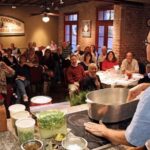
Your experience runs about 3 hours total, and the pace is designed around that time window. After meeting your group and getting instructions, you move into hands-on cooking steps. The chefs guide you throughout, and you learn the secrets of seasonings as you work.
At some point, the cooking becomes a team effort, because everyone’s steps overlap. That can be fun if you like activity, and it is easier than it sounds when the chef keeps you on track. You also get the chance to ask questions while the class is live, so you can correct mistakes early instead of regretting them when the food is done.
Then you sit down and enjoy the meal you helped create. Food tastes better when you made it, but it also tastes better when the chef taught you what to look for. You will know what to pay attention to, like seasoning balance and how the dish should smell and taste when it is right.
This meal is paired with included beverages. That turns the whole session into a complete experience, not just a cooking lesson followed by a separate restaurant stop.
Included wine, beer, sodas, and water with lunch or dinner
Your class includes lunch or dinner, plus drinks. You get wine, beer, sodas, and water during the meal and as part of the experience.
This inclusion is a real value add in New Orleans, where food and drinks can add up quickly. You are paying for a structured lesson and also getting a full, satisfying meal with beverages. If you plan your day around this, it can replace at least one other planned meal stop.
A practical note: if you do not drink alcohol, you still have plenty of options with sodas and water. The key is that you can treat the drinks as part of the hosting vibe, not something you must use to enjoy the class.
You can also read our reviews of more cooking classes in New Orleans
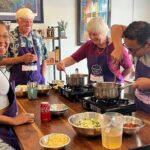


Price and value: is $157 per person fair?

$157 for 3 hours of hands-on instruction plus a full meal and drinks is not cheap, but it can be fair value if you care about learning how to cook, not just eating.
Here is why the price can make sense. You are getting:
- Instruction from an English-speaking chef
- Hands-on work with classic Louisiana dishes like jambalaya and barbecue shrimp
- A small group format, limited to 10
- A meal and included beverages, including wine and beer
If you were to recreate this experience at home, you would spend money on ingredients, and you would still miss the chef feedback that helps you correct seasoning and heat issues. That is what you are paying for. You are essentially buying training plus dinner, in one package.
If you are the kind of traveler who only wants one casual food moment, you might not feel the value as strongly. But if you want a skill you can bring home, this is one of the more practical food activities you can choose.
Who this class is best for

I think this is best for food lovers who want more than eating. If you enjoy cooking, you will appreciate the step-by-step format, the seasoning guidance, and the chance to ask questions while you work.
It also fits well if you are traveling with a friend or as a solo diner who wants conversation. The small group size makes it easier to connect, and you share the meal afterward, which turns the experience into more than just a transaction.
Because it is not suitable for children under 10, it is an adult-friendly pick for couples and groups of friends.
Should you book this New Orleans Traditions cooking class?
I would book it if you want a memorable food experience with real cooking instruction, and you like the idea of learning New Orleans style barbecue shrimp and jambalaya in one session. The small group limit, the chef-led teaching approach, and the included meal and drinks make it feel complete, not rushed.
I would reconsider if you are mainly looking for a quick, light snack experience, or if you are traveling with children who are younger than 10. Also, if you have a tight schedule and need transport provided, you will want to plan your own way to the meeting point.
If you enjoy learning, this is one of those New Orleans activities that gives you something to use at home, not just a photo.
FAQ

How long is the New Orleans Traditions Cooking Class?
It lasts 3 hours.
What is the price per person?
The price is $157 per person.
What is included in the class?
The class includes the cooking class itself and lunch or dinner, plus alcoholic beverages and non-alcoholic drinks.
What beverages are included?
Wine, beer, sodas, and water are included.
What dishes do you cook?
You will make Barbecue Shrimp in the New Orleans style and Chicken and Andouille Sausage Jambalaya. Dessert is Chocolate Bread Pudding with a Brandy Mocha Sauce.
Where do you meet for the class?
The meeting point is Suite 101 on the ground level.
What group size is it?
It is a small group limited to 10 participants.
Is it suitable for children?
It is not suitable for children under 10 years old. The class is wheelchair accessible.
More Cooking Classes in New Orleans
More Tour Reviews in New Orleans




More Cajun & Creole Cooking Classes
More ways into New Orleans


Cajun & Creole Cooking Classes, compared.
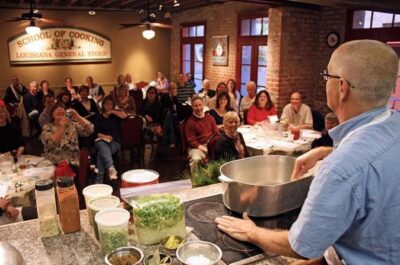 ★ 5.0New Orleans Demonstration Cooking Class with MealFrom $433,000 reviews
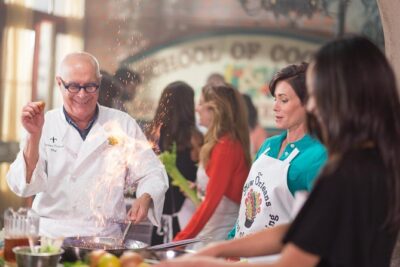 ★ 5.0New Orleans Hands-On Cooking Class with MealFrom $1621,183 reviews
 ★ 4.9Cajun and Creole Cooking ClassFrom $40730 reviews
 ★ 5.0Hands-on Cajun Roux Cooking Class in New OrleansFrom $163356 reviews
 ★ 5.0Hands-on Cajun Traditions Cooking ClassFrom $163132 reviews
 ★ 4.5New Orleans Cooking Class and Cocktail Walking TourFrom $105109 reviews
 ★ 5.0New Orleans Small-Group Food Walking Tour and Cooking ClassFrom $10847 reviews
 ★ 4.7Cooking Class & Cocktail Walking TourFrom $10516 reviews
Browse the lists this tour appears in