
REVIEW · CAJUN & CREOLE COOKING CLASSES
Hands-on Cajun Traditions Cooking Class
Cajun cooking that feeds you and teaches you is right there on Wilkinson Street. You cook and eat three classics with a chef, and I love the step-by-step method that turns Cajun flavor into repeatable technique. I also love the small group size, max 10, which makes it easier to ask questions and get personal guidance. One consideration: it is about a three-hour stretch, so plan your day with some breathing room.
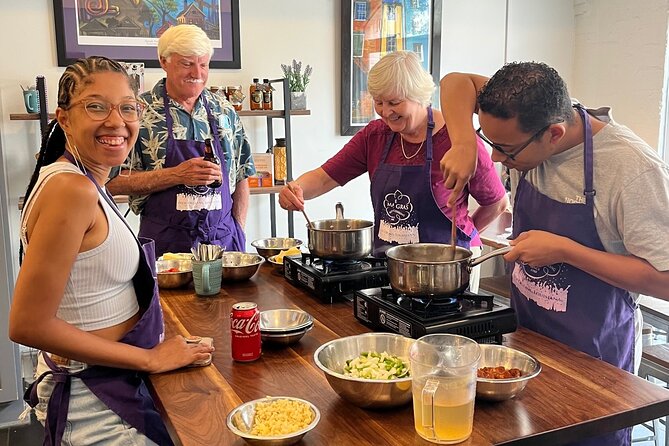
The class takes place at The Mardi Gras School of Cooking, and you start by settling in with your classmates before you apron up. You are taught professional techniques and why Cajun food developed the way it did, so the meal comes with context, not just instructions.
You finish by eating what you made, which is the best kind of souvenir in New Orleans. If you prefer very slow paced lessons or you hate hands-on cooking, this may feel like a lot, but the format is built for learning by doing.
Key Things You Should Know Before You Go
- Three-course meal you cook yourself, starter, main, and dessert, all included
- Small group (maximum 10), so the chef can actually work with you
- Chef-led seasoning lessons, not just a recipe handoff
- A menu built for NOLA standards, barbecue shrimp, jambalaya, and bread pudding
- Strong community vibe, great for couples, friends, and solo diners who like conversation
- Near public transportation, so you can pair it with other French Quarter plans
Entering The Mardi Gras School of Cooking on Wilkinson Street
You meet at 519 Wilkinson St, and the whole experience is designed to feel straightforward. You walk in, get oriented, and settle with your group before any cooking starts. It is the kind of setup that helps you start cooking fast, even if you are not a confident home cook.
This is offered in English, and the class is capped at 10 people. That matters more than it sounds. In bigger cooking sessions, you get rushed or you stand back. Here, you are more likely to get real coaching while your food is on the line.
Time-wise, plan for about three hours. That is enough time to actually learn knife work, heat control, and seasoning rhythm, then eat a full meal. It also means you want to avoid booking something tight right before or right after.
More Cajun and Creole cooking sessions in New Orleans

The Small-Group Format That Makes You Part of the Meal
I like classes where you leave fed and also a little more capable. This one fits that goal because it is hands-on from start to finish. You come in, cook your way through the menu, and then you sit down to enjoy it.
The max group size of 10 changes the dynamic. You are not watching from across a room. You are working at a station and likely swapping tips with the people near you. That is why this is a solid choice if you want an activity that also helps you meet people in New Orleans, without forcing awkward small talk.
The class uses a mobile ticket, and you get confirmation at booking. That keeps things simple, especially if you are coordinating multiple activities in one day. And because it is close to public transportation, you are not stuck thinking about parking.
Course One: Barbecue Shrimp the New Orleans Way
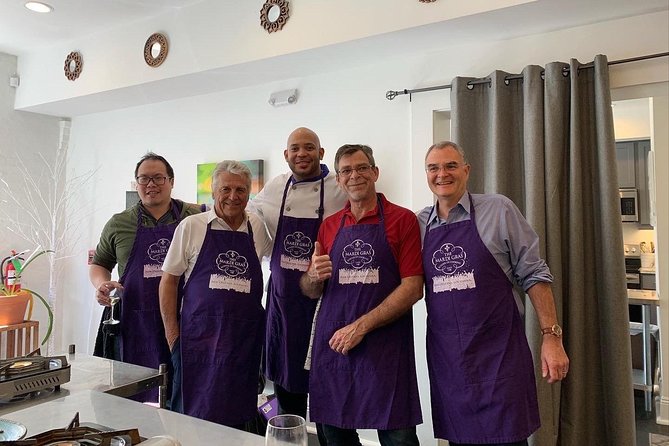
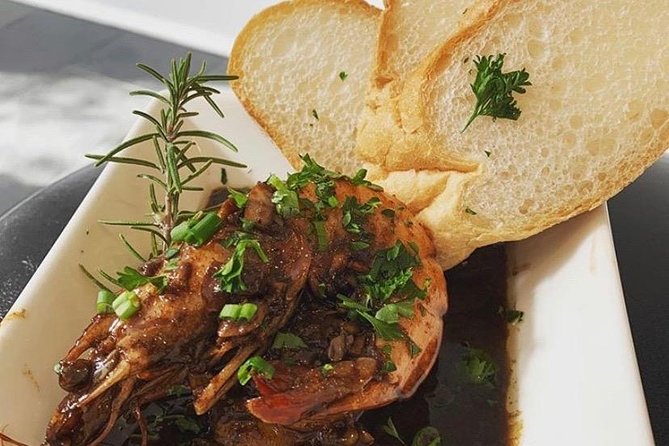
Your starter is barbecue shrimp, New Orleans style. This is a smart first choice because it teaches you how Cajun flavor starts: seasoning and technique before you even think about sauce depth.
In a hands-on class, your job is not just to follow steps. You learn timing, seasoning control, and how heat changes the texture of shrimp. The chef guidance tends to focus on what to watch for while you cook, which is what you will want later when you try it at home.
One reason this starter lands well for many people is that it is both beginner-friendly and still impressive. If you can nail shrimp without overcooking it, you instantly gain confidence. And if you like flavor-heavy food, you get a payoff right away before the heavier main course work.
Course Two: Chicken and Andouille Sausage Jambalaya Build
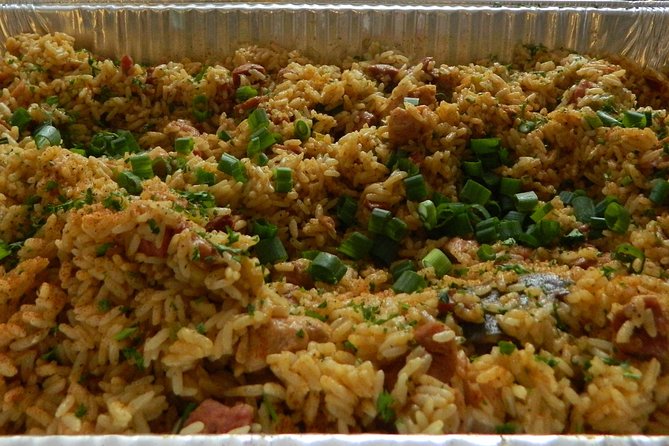
Then comes the main event, chicken andouille sausage jambalaya. This is where Cajun cooking stops being a novelty and becomes a skill you can use for years.
You are taught professional techniques while you prepare the dish, with an emphasis on seasoning secrets. Jambalaya is not just ingredients in a pot. It is balance. You need to build flavor, manage heat, and understand when the dish is ready.
Andouille sausage brings a smoky, bold character that helps jambalaya taste like a true Louisiana comfort meal, not just a one-pot dinner. With hands-on instruction, you get a sense of how sausage flavor spreads and how chicken fits in. You also learn the practical stuff people struggle with at home, like pacing and when to adjust.
From what people say about this class, the chefs keep instructions clear and keep the energy up. One highlight that shows up repeatedly is step-by-step guidance, with a pace that lets you keep up. That means less panic, more actual learning.
Course Three: Chocolate Bread Pudding with Brandy Mocha Sauce
Dessert is chocolate bread pudding with brandy mocha sauce. This is a great way to end, because it teaches a different skill set than savory cooking.
Bread pudding is about texture and timing. You want it set without getting dry, and you want the flavor to feel layered, not flat. The brandy mocha sauce adds sweetness and depth, and it also teaches you how to think about dessert as a sauce-and-structure process, not just baking.
A memorable detail mentioned by past guests is how small choices during prep can make a big difference. Things like where you place chocolate bits and how you finish the loaf can change the result. That is the kind of practical lesson you can carry into your own kitchen.
If you have ever had bread pudding that was either too heavy or too wet, this class format is helpful. It is hands-on, so you can see how the batter behaves and how the final texture should look.
You can also read our reviews of more cooking classes in New Orleans


How the Chefs Teach, and Why the Stories Matter
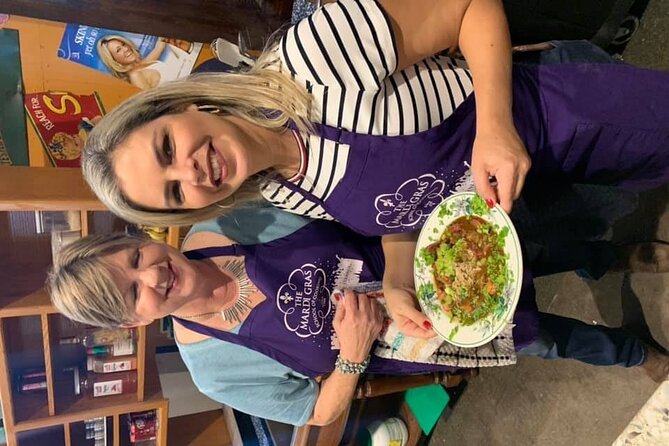
In Cajun cooking, the food is tied to people and place. The chefs here tend to teach history along with technique, and they also share personal stories. That is not just entertainment. It gives you a reason for the flavors, and it makes the class feel like New Orleans, not a generic cooking demo.
Chefs you might encounter include Chef Mark, Chef Raymond, Chef Jason, Chef Erika, Chef David, and Chef Preston. Each brings a slightly different teaching style, but the core stays the same: clear directions, supportive coaching, and an upbeat atmosphere.
You will also likely hear the kind of anecdotes that make you remember what you learned. People mention talking through the background of Cajun and New Orleans cuisine while they cook. If you like your travel activities to teach you something you cannot get from a menu, this part is a big win.
What This Costs, and When It Is Actually Good Value
At $163.85 per person for about three hours, you are paying for three things: instruction, ingredients, and a full meal. The best value is not just that you get food, it is that you get skills you can repeat.
New Orleans is expensive when you start stacking paid experiences plus restaurant meals. This class bundles both. You pay once, you learn, and you eat everything you cook. That is why it often feels like less of a splurge and more of a payoff.
It also helps that the class is small and chef-led. If you were paying for just a tasting, you would likely leave with less cooking knowledge. Here you leave with technique and seasoning logic you can use on your own timeline.
If you are traveling with friends or family, look for group discounts. The class is built for small groups, so sharing the experience can also make the cost feel easier to swallow.
Timing, Pacing, and What to Expect During the 3 Hours
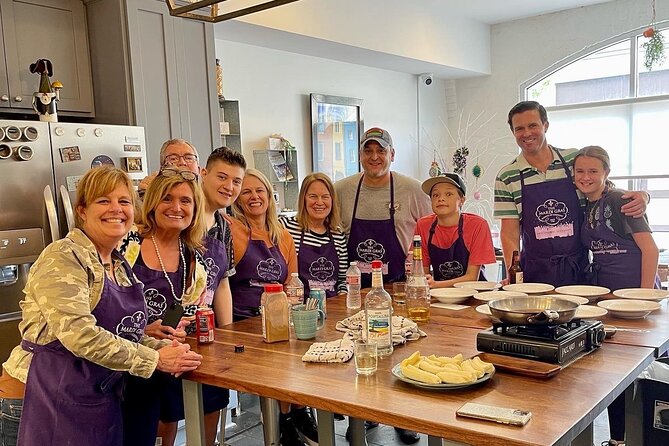
The day is structured to keep you moving, but not rushed. You start with introductions, then you cook in stages that match the menu order. Each course is taught with clear steps, so you are not stuck guessing what to do next.
People often mention that the pacing fits the group. That is important in a hands-on class. If you move too fast, you learn less. If you move too slow, you get bored. A well run class finds a middle ground where you feel comfortable making decisions while your instructor keeps you on track.
You should also expect a lot of conversation. This type of cooking class works well because you are all doing the same tasks, so you naturally chat while you chop, stir, and plate. If you are traveling solo and want an easy social option, this is one of the more comfortable ways to do it.
Who This Class Best Fits, and Who Might Prefer Something Else
This is a great fit if you want a practical New Orleans experience. You will enjoy it if you like hands-on activities, you cook at home sometimes, or you just want a reliable way to come home with a signature meal.
It is also a strong choice for couples. Cooking together is a shared project, and the small group size keeps it from feeling like a big crowd experience.
Families can work well too, especially if your group is comfortable cooking and eating what you make. One guest described bringing an 11-year-old and finding it a great excursion. Still, if you have very young kids or anyone who hates cooking tasks, you might consider a lighter option.
For food restrictions, the class can sometimes be accommodating for minor restrictions. If you have a dietary need beyond that, you should plan to contact the provider before booking and clarify what can be adjusted.
After the Class: How to Keep What You Learned
Once you taste what you made, the real question is whether you can repeat it. The best souvenir here is the process: seasoning cues, heat control, and pacing.
When you get home, treat this like a three-part meal you can rebuild. Start by thinking about each course separately. Make the shrimp sauce logic first. Then focus on jambalaya build and timing. Finally, try the bread pudding texture and finish with the mocha sauce.
If you are the kind of person who likes to cook like a project, keep notes during the class. Write down what you noticed, not just what you did. For example, jot down where you felt the sauce change, or what you were watching for as the bread pudding set.
And if leftovers are important to you, ask the staff during the class about whether you can take food to go. Some people have asked for that, so it is worth checking.
Should You Book This Cajun Traditions Cooking Class?
If you want hands-on learning, a real meal, and a small-group vibe, I think this is an easy yes. The three-course menu gives you variety, and the chef teaching style seems built for clear instruction plus fun conversation. It is also good value because your fee covers both the cooking lesson and what you eat.
Book it if:
- You want a full New Orleans meal with real technique, not just sightseeing
- You like meeting people in a low-pressure group setting
- You want to cook Cajun staples you can recreate later
Skip it if:
- You want a passive experience where you watch more than you cook
- You have no interest in cooking tasks at all
- Your schedule cannot handle about three hours in one block
If you book, aim to do it early. This class is commonly booked about 29 days in advance on average, so popular times can fill up.
FAQ
How long is the Hands-on Cajun Traditions Cooking Class?
It lasts about 3 hours.
Where does the class start?
The meeting point is 519 Wilkinson St, New Orleans, LA 70130, USA.
How many people are in the group?
The class has a maximum of 10 travelers.
What do you cook and eat during the class?
You cook and eat three courses: barbecue shrimp (New Orleans style), chicken and andouille sausage jambalaya, and chocolate bread pudding with brandy mocha sauce.
Is the class offered in English?
Yes, it is offered in English.
Do you receive a mobile ticket?
Yes, mobile tickets are provided.
Can I cancel for a full refund?
You can cancel up to 24 hours in advance of the experience for a full refund.
When should I book?
On average, this experience is booked 29 days in advance.
More Cooking Classes in New Orleans
More Tour Reviews in New Orleans




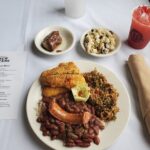
More Cajun & Creole Cooking Classes
More ways into New Orleans


Cajun & Creole Cooking Classes, compared.
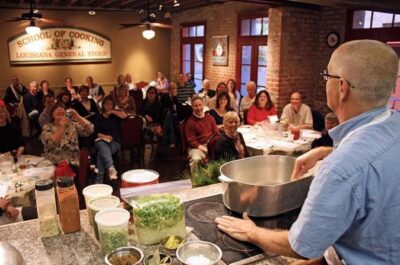 ★ 5.0New Orleans Demonstration Cooking Class with MealFrom $433,000 reviews
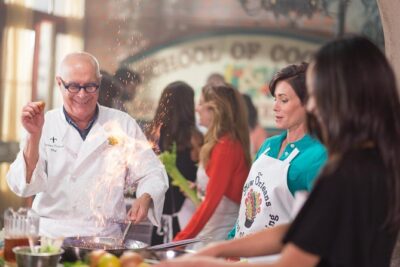 ★ 5.0New Orleans Hands-On Cooking Class with MealFrom $1621,183 reviews
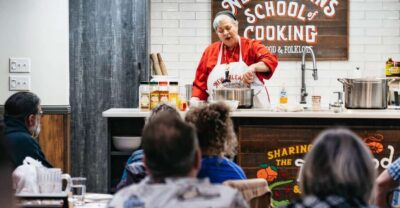 ★ 4.9Cajun and Creole Cooking ClassFrom $40730 reviews
 ★ 5.0Hands-on Cajun Roux Cooking Class in New OrleansFrom $163356 reviews
 ★ 4.5New Orleans Cooking Class and Cocktail Walking TourFrom $105109 reviews
 ★ 5.0New Orleans Small-Group Food Walking Tour and Cooking ClassFrom $10847 reviews
 ★ 4.7Cooking Class & Cocktail Walking TourFrom $10516 reviews
 ★ 5.0Traditions Cooking ClassFrom $1579 reviews
Browse the lists this tour appears in