
REVIEW · CAJUN & CREOLE COOKING CLASSES
New Orleans: Cajun and Creole Cooking Class
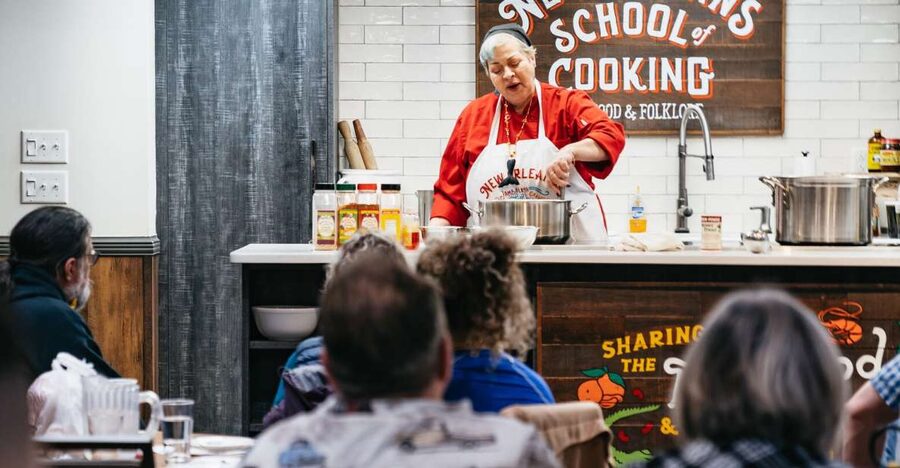
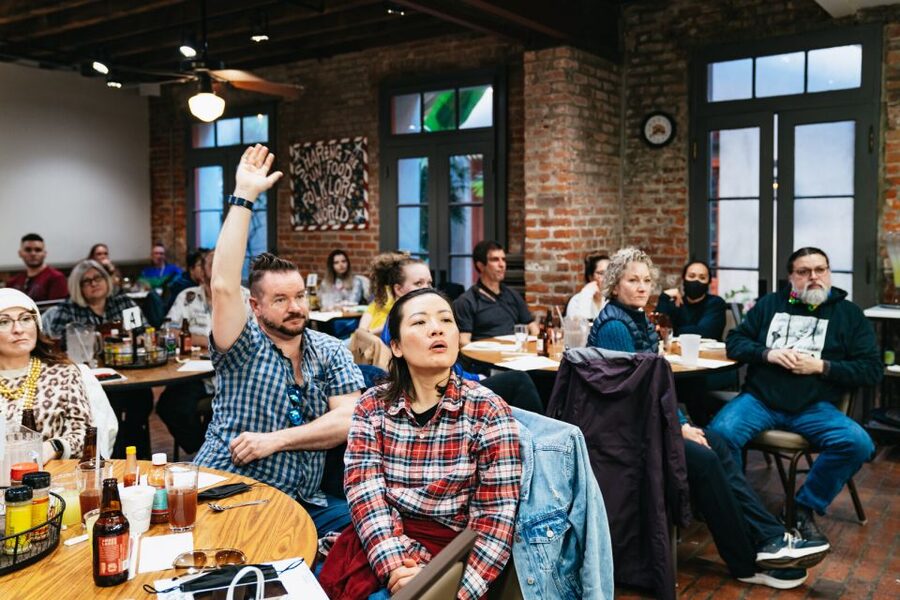
Gumbo lessons without standing at a stove. At the New Orleans School of Cooking, you get storytelling and a full-on food lesson inside a renovated early 1800s molasses warehouse in the French Quarter. I especially like the way the chef ties history and folklore to what lands on your plate, and you walk out with recipe copies you can actually use later.
One heads-up before you book: this is primarily a cooking demonstration, not a hands-on class where you stir the pot yourself.
Key Things I’d Tell a Friend Before You Go
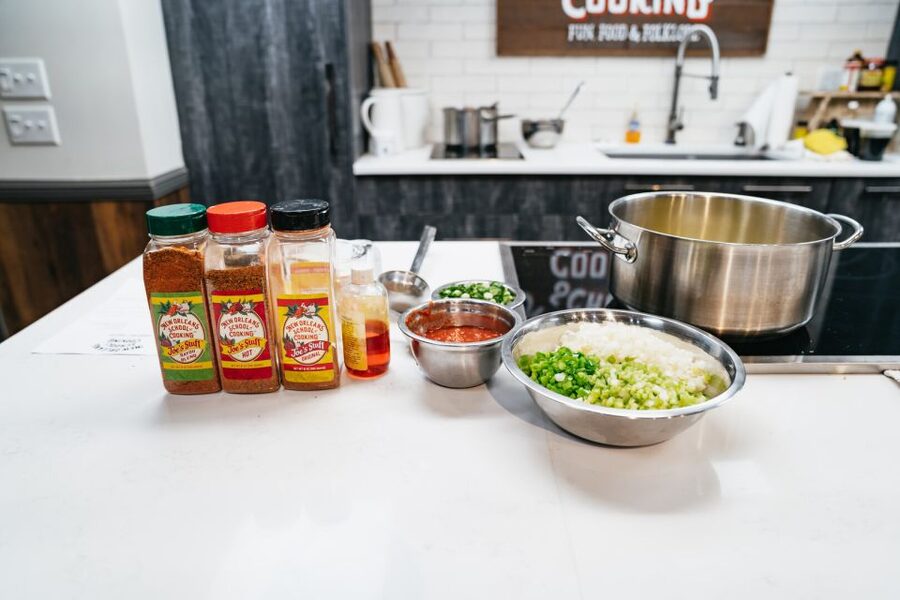
- You mostly watch and taste. The chef prepares, you learn the why, and you eat what’s made.
- Menus change by day and time. Expect different mixes of gumbo, jambalaya, etouffee, soups, and desserts.
- French Quarter setting with real culinary context. The demo happens in a historic molasses warehouse.
- Go hungry. Portions are big, and the included meal can replace dinner plans.
- The take-home value is real. You get recipe copies plus a coupon for the general store.
A French Quarter Demo in a Renovated Molasses Warehouse
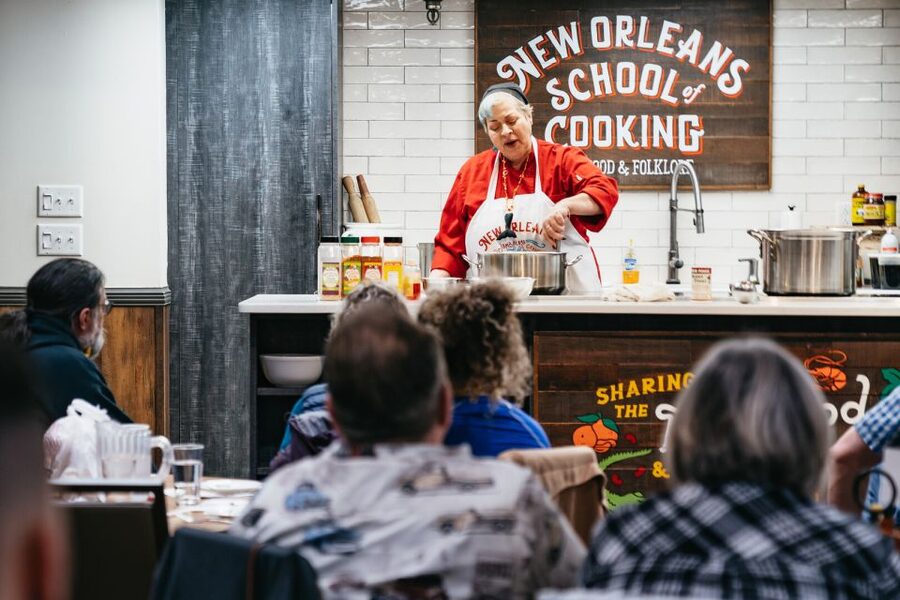
This experience is set up for people who want Louisiana food culture, without needing to chop, sauté, and race the clock. You check in at the New Orleans School of Cooking General Store, then you settle in for the chef’s show, with stories that connect the dishes to the people and traditions behind them.
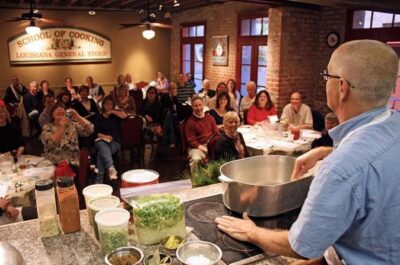
The room itself matters. The class takes place in a renovated molasses warehouse built in the early 1800s, right in the French Quarter. That historic setting gives the whole thing a grounded feel, like you’re not just watching recipes, you’re stepping into the neighborhood where these flavors became local shorthand for identity.
I like that the experience doesn’t treat cooking like a detached science project. The chef instructor mixes technique talk with folklore and the wider cultural context of Cajun and Creole cooking, so your meal has meaning, not just heat and spice.
More Cajun and Creole cooking sessions in New Orleans
What You Will Make (and What You Will Not)
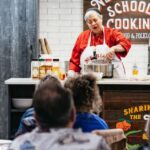
Here’s the practical truth: even though it’s labeled a cooking class, the format is closer to a cooking demonstration. You’ll sit back while the chef prepares the dishes, explains steps, and answers questions. Then you eat the finished food as a 3 or 4-course meal, depending on the day’s menu.
That matches what many people love about it. If you enjoy learning how dishes are built, this is a great style. If you’re hoping for a hands-on session where you plate your own gumbo or roll dough for pralines, you’ll want to adjust your expectations first.
You also get a built-in way to taste your way through the menu. It’s not just one dish and a cookie. The included meal pulls from signature New Orleans flavors like gumbo, jambalaya, etouffee, and classic desserts such as pralines and bread pudding. Add in drinks like Dixie beer, iced tea, and lemonade, plus hot coffee for the 10:00 AM class, and you’ve got the structure of a real meal, not a snack.
One small logistics note: there’s at least one mention that the demo was hard to hear in parts of the room. If you care about audio, choose a seat closer to where the chef is speaking.
Your Menu Plan: How Cajun and Creole Dishes Change by Day
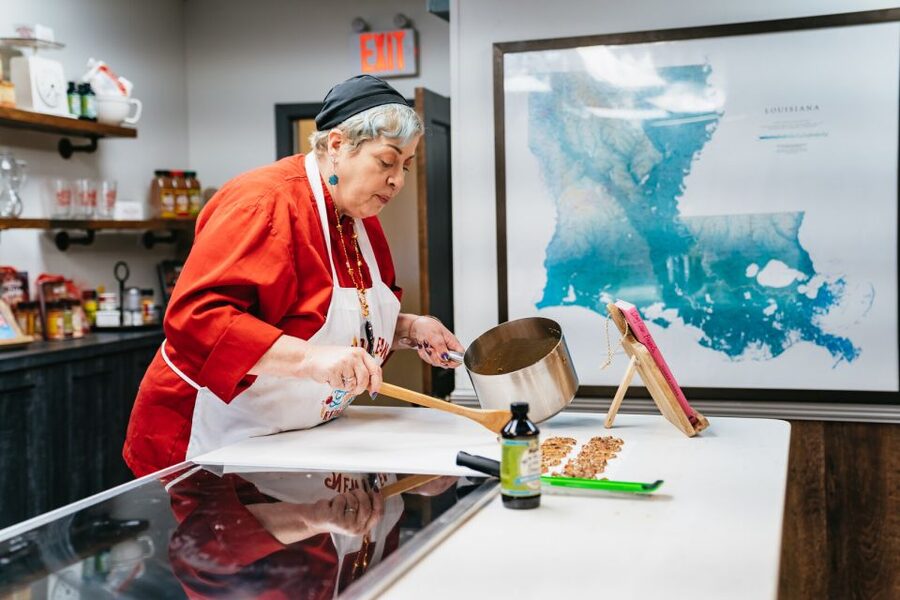
You don’t just show up and hope for the best. The program runs on a daily rotation, with different dishes for 10:00 AM and 2:00 PM sessions. That’s part of the value, because you can line up your timing with what sounds most tempting.
10:00 AM menus (examples)
- Saturday, Sunday, Wednesday: gumbo, jambalaya, bread pudding, pralines
- Monday: gumbo, red beans and rice, pecan pie, pralines
- Tuesday: gumbo, jambalaya, bananas foster, pralines
- Thursday: corn and crab bisque, shrimp creole, bananas foster, pralines
- Friday: crawfish etouffee, shrimp and artichoke soup, bread pudding, pralines
2:00 PM menus (examples)
- Saturday: crawfish etouffee, shrimp and artichoke soup, pralines
- Sunday, Tuesday: corn and crab bisque, chicken etouffee, pralines
- Monday, Thursday, Friday: gumbo, jambalaya, pralines
- Wednesday: gumbo, chicken creole, pralines
A few dishes show up repeatedly for a reason. Gumbo and jambalaya are the headline starters and mains in a lot of Cajun and Creole cooking, and the class uses those as anchors. Then you’ll see the range expand into seafood-forward plates like shrimp creole and crawfish etouffee, plus sweeter finishes like pralines, bread pudding, pecan pie, and bananas foster.
Also, keep in mind the meal is meant to be substantial. Many people suggest not eating beforehand and not planning a full meal right after. The included portion sizes are big enough that this can function as your midday meal plan.
You can also read our reviews of more cooking classes in New Orleans


Dietary notes you should know
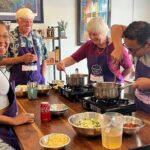
The data you provided also includes examples of adjustments, like a veggie alternative and dishes accommodating shellfish allergy. That doesn’t mean every session can handle every need, so if you have specific dietary requirements, your best move is to ask ahead. But it’s reassuring that accommodations have happened.
Cajun vs Creole: The Stories That Make the Food Make Sense
If you’ve ever tasted Cajun and Creole dishes side by side, you know they share DNA while still feeling different. This experience leans hard into that idea, using the chef’s explanation to put the flavors in context.
What I like about the storytelling approach is that it doesn’t stay abstract. It connects what you’re seeing on the stove to the culture around it, including Louisiana cooking traditions and the folklore tied to the food. So when you hear about why a dish is built a certain way, it stops being trivia and starts becoming a tool you can use when you cook later.
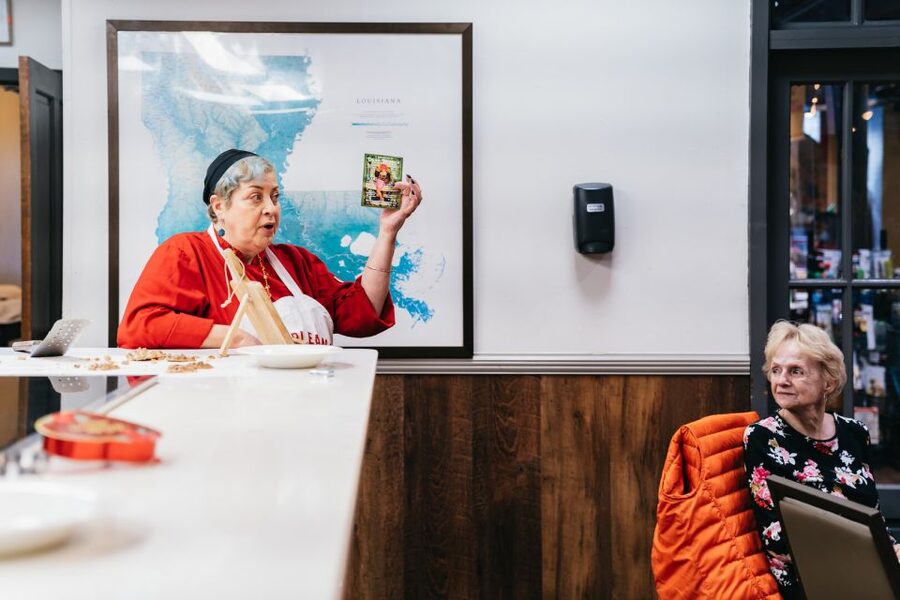
And the chef’s personality plays a role. The reviews you shared mention instructors with real presence, including names like Chef Lynn, Chef Harriet (known as Gumbo Marie), Chef Dianne, Chef Eric, Chef Austin, and Chef Michael. That variety matters because the best sessions don’t just list ingredients. They turn the class into an entertaining explanation you can remember.
In other words, you’re not only learning a recipe, you’re learning how locals talk about food. That makes the meal more fun in the moment, and it makes your take-home recipe copies feel less like generic printouts.
From Joe’s Stuff Seasoning to Your Home Pantry
One of the smartest parts of this experience is the built-in connection to the store. After the class, you get a coupon you can use in the general store, which is where you can keep the momentum going.
During your visit, you can browse locally sourced products. And this is where Joe’s Stuff Creole Seasoning comes into play. The shop is home to this seasoning, which gets repeated praise as something local chefs and visitors trust.
I’d treat the store visit like a continuation of the lesson. If the chef taught you what the flavors are supposed to do in the dish, buying the right seasoning is the easiest shortcut to recreating that profile at home. Even if you don’t want to stock a whole new pantry, one or two carefully chosen items can help your gumbo or jambalaya taste more like what you learned.
The experience also gives you recipe copies to take home. That matters for practical reasons. Many cooking demos are all fun and no follow-through. Here, you get written instructions so you can actually recreate what you tasted for friends and family.
Drinks, Coffee, and the Comfort of a Full Included Meal
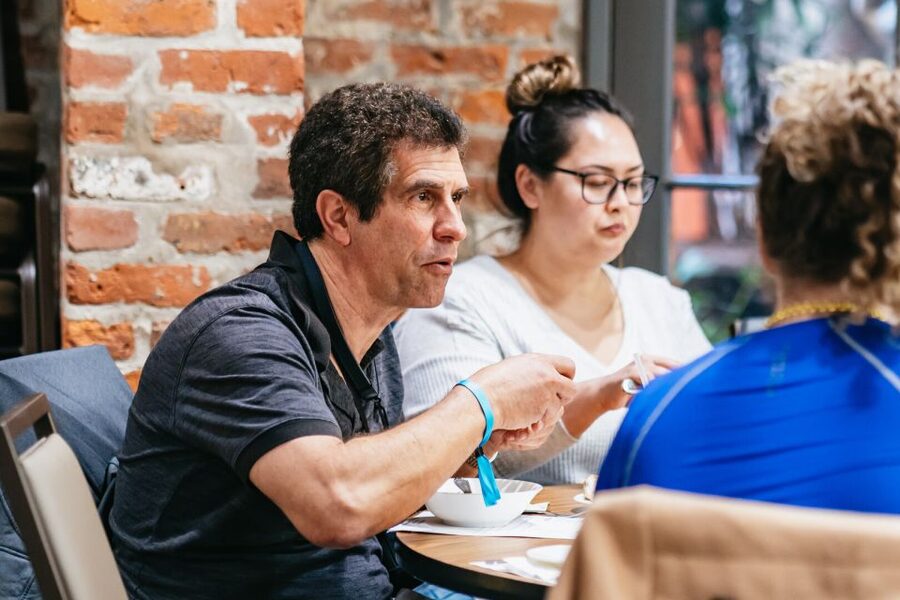
For $40 per person, the biggest reason this can feel like good value is the meal format. You’re not paying just for a 20-minute performance. You’re getting a chef demonstration plus a 3 or 4-course lunch (based on the menu that day), along with local drinks.
Included options are:
- Dixie beer
- iced tea and lemonade
- hot coffee for the 10:00 AM class
This combo is more than a perk. It turns the class into a complete New Orleans food stop, which is exactly how you should plan it if you’re trying to keep your day simple. No scrambling for lunch afterwards, no decision fatigue, no hunting for a table.
Also note the important “not allowed” detail: drinks are not allowed. That likely means you shouldn’t plan on bringing your own beverages into the experience. The good news is you’re already included for drinks as part of the class.
Price and Value: Why This Often Feels Worth It
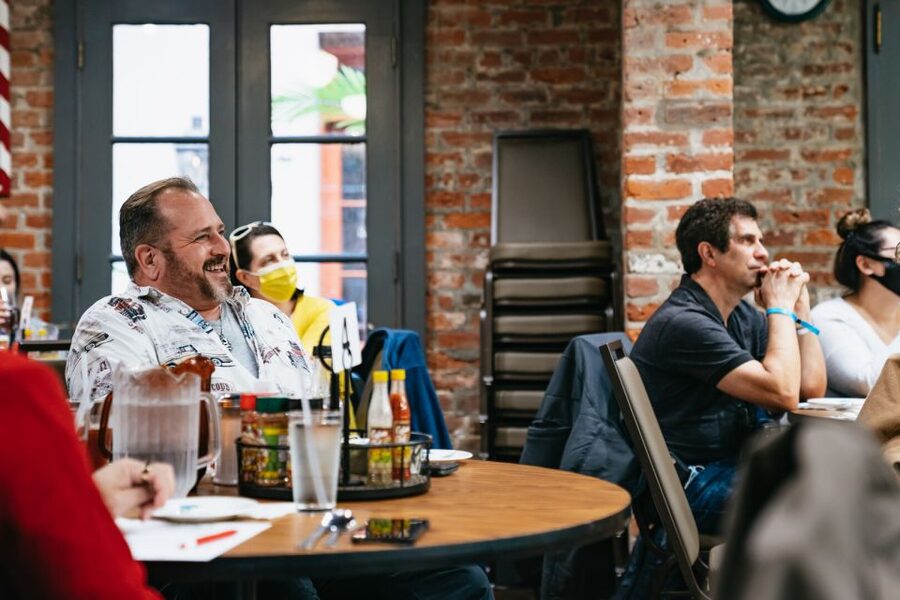
Let’s talk money plainly. At $40 per person, you’re paying for:
- the chef instructor and demonstration
- a multi-course Cajun and Creole meal
- recipe copies to take home
- a coupon for the general store
- drinks like Dixie beer, iced tea, and lemonade (and hot coffee for the morning session)
If you compare that to the cost of a sit-down meal plus a dessert plus buying specialty seasoning separately, the math starts to make sense. You’re basically bundling a curated food lesson with lunch, then adding the long-tail value of recipes and a store discount.
The only real pricing “gotcha” is expectation. If you want a hands-on class where you physically cook, this might feel like you’re paying for watching. But if you’re happy learning by watching and tasting, the value becomes clear fast.
Best For Who, and Who Should Skip It
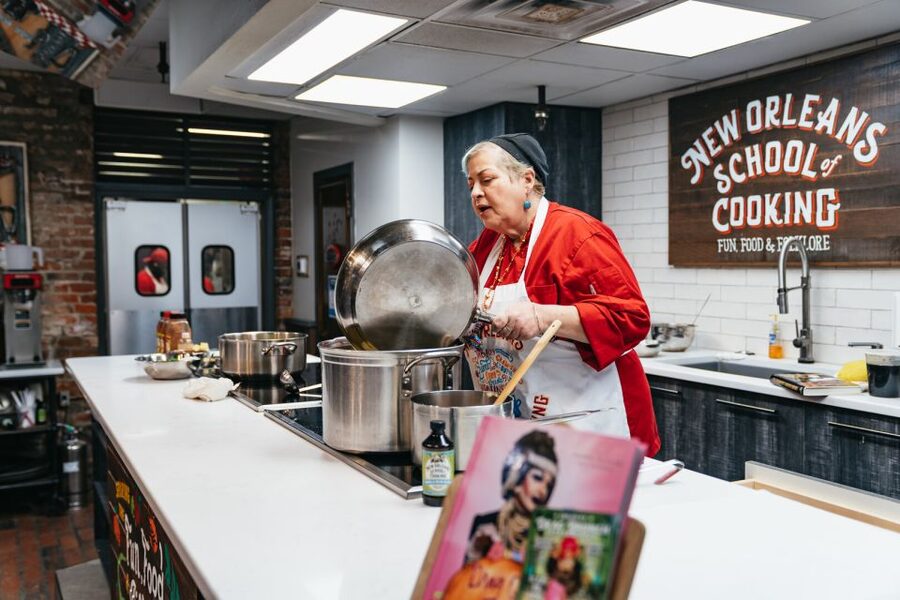
This works best for you if:
- you’re in the French Quarter and want an easy, schedule-friendly way to learn New Orleans flavors
- you like history, stories, and food culture more than hands-on technique practice
- you want a meal with real portion sizes that can cover lunch
- you plan to cook later, and you care about recipe copies and seasoning
You might want to skip or reconsider if:
- you specifically want to cook with your own hands, stir your own gumbo, or plate your own dishes
- you’re sensitive to loud rooms and audio can be an issue (one review mentioned hearing trouble, so seating location matters)
If you’re traveling with teens, this is also a strong pick. The reviews you shared describe groups including three teens who still enjoyed the demo and stories, which says a lot about the presentation style.
Should You Book This New Orleans Cajun and Creole Cooking Class?
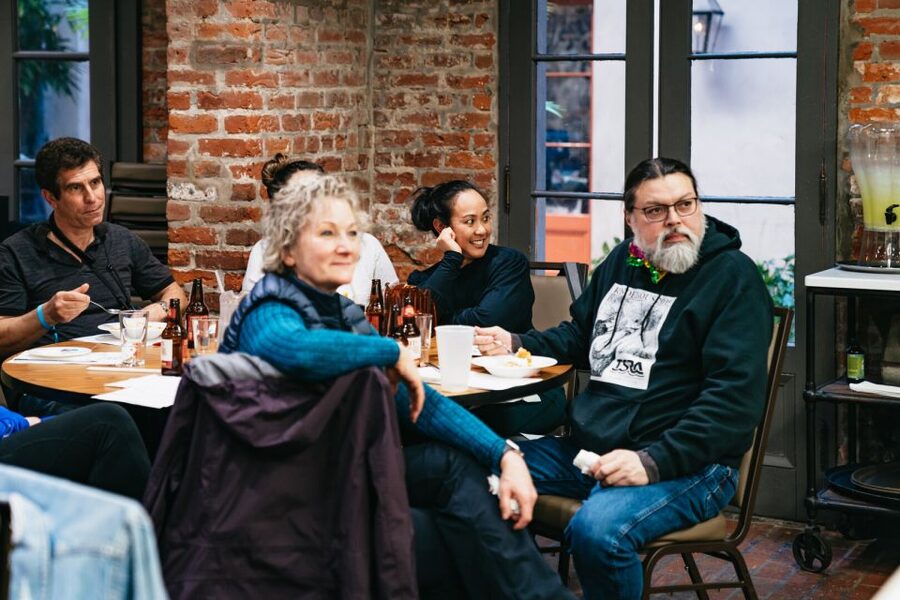
Yes, I’d book it if your goal is a fun, low-stress way to understand New Orleans cuisine through Cajun and Creole classics, eat a serious lunch, and walk away with recipe copies you can use.
The one decision you should make up front is mental: go in knowing it’s mainly a demonstration. If you want to cook, this isn’t that format. If you want to learn, taste, and bring home a working plan for gumbo, jambalaya, pralines, and more, it’s an efficient, flavorful use of your time in the French Quarter.
FAQ
FAQ
Is this a hands-on cooking class or a demonstration?
The class format is primarily a cooking demonstration. You sit and watch the chef prepare dishes, learn from explanations, and then eat the finished meal.
How long is the New Orleans cajun and creole cooking class?
The experience runs about 2 hours, or roughly 150 minutes.
What dishes are included?
The dishes vary by day and whether you book the 10:00 AM or 2:00 PM session. Common menu items include gumbo, jambalaya, pralines, bread pudding, red beans and rice, corn and crab bisque, shrimp creole, crawfish etouffee, chicken creole or chicken etouffee, pecan pie, and bananas foster.
What drinks are included?
You get Dixie beer, iced tea, and lemonade. Hot coffee is included for the 10:00 AM class.
Where do I check in?
Enter the New Orleans School of Cooking General Store and check in at the register.
Is hotel pickup included?
No. Hotel pickup and drop-off are not included.
Are drinks allowed from outside?
No. Drinks are not allowed.
More Cooking Classes in New Orleans
More Tour Reviews in New Orleans




More Cajun & Creole Cooking Classes
More ways into New Orleans


Cajun & Creole Cooking Classes, compared.
 ★ 5.0New Orleans Demonstration Cooking Class with MealFrom $433,000 reviews
 ★ 5.0New Orleans Hands-On Cooking Class with MealFrom $1621,183 reviews
 ★ 5.0Hands-on Cajun Roux Cooking Class in New OrleansFrom $163356 reviews
 ★ 5.0Hands-on Cajun Traditions Cooking ClassFrom $163132 reviews
 ★ 4.5New Orleans Cooking Class and Cocktail Walking TourFrom $105109 reviews
 ★ 5.0New Orleans Small-Group Food Walking Tour and Cooking ClassFrom $10847 reviews
 ★ 4.7Cooking Class & Cocktail Walking TourFrom $10516 reviews
 ★ 5.0Traditions Cooking ClassFrom $1579 reviews
Browse the lists this tour appears in