

REVIEW · WALKING TOURS
Historical Treme Walking Tour
Tremé tells its story on your feet. This Historical Tremé Walking Tour centers the African American experience in the neighborhood, with stops tied to Black Mardi Gras Indians traditions and the sacred history of Congo Square. I like that it mixes big cultural touchstones with street-level details like Creole cottages and the oldest Creole mansion still standing in New Orleans.
What I really like is the focus on lived culture, not just dates, plus the guide-led storytelling from local cultural ambassador names like Robin and Harris. I also appreciate the structure: you get a meaningful stop at Congo Square, then an easy walk through the Creole and Sicilian parts of Tremé.
One possible drawback: there is a lot of standing and walking for about two hours, and the optional museum stop costs extra if you want to go deeper. If you need a low-impact tour, plan for slower pace and good walking shoes.
Key highlights you will notice right away

- Congo Square: a short visit to the grounds tied to Sunday gatherings of Indigenous, enslaved, and free people of color
- Black Mardi Gras Indians focus: heritage and traditions explained in a way that connects to what you see nearby
- Creole and Sicilian neighborhoods: cottages, townhouses, and the oldest Creole mansion still standing in New Orleans
- An extra included touch: Lagniappe, meaning extra, is part of what you get with the tour
- Small-group feel: up to 28 people, with a licensed guide leading the experience
- Optional museum add-on: the Backstreet Cultural Museum stop can add time and depth for an added ticket
Starting at Louis Armstrong Park, then walking into Tremé’s real context

The tour meets at Louis Armstrong Park, at 701 N Rampart St. That matters because you start in a familiar New Orleans landmark area, then walk into Tremé where the neighborhood’s identity is felt in the details: street shape, front porches, and the way communities have held onto traditions.
This is an approximately two-hour walk, and it moves at a steady, sightseeing pace. I think that sweet spot is what makes this tour practical. You get the key stops without needing to spend half a day in motion.
Also, the tour runs in English, and it uses a mobile ticket. If you like having everything on your phone, this setup keeps the day simple.
More music and neighbourhood history in Treme and Marigny

Stop 1 at Backstreet Cultural Museum: the extra ticket worth considering
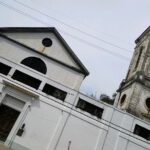
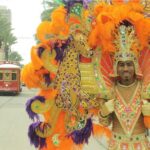
The first stop is the Backstreet Cultural Museum. This is where you can learn more about New Orleans Black Mardi traditions and the heritage of the Black Mardi Gras Indians.
Here is the practical part: the museum visit is optional, and admission is not included. The museum ticket is $25 per booking, and it may vary for senior citizens. The museum stop is listed at about one hour, so if you add it, your morning or afternoon may run closer to a longer block than the base walk.
Is it worth the extra cost? If your interest is specifically in the Black Mardi Gras Indians and how traditions are handed down, the museum is the best place to get background before (or alongside) the outdoor stops. If you prefer an outdoor-only walk, you can treat this as a cultural primer and skip it.
Stop 2 at Congo Square: a short stop with heavy meaning
Next is Congo Square, for about 15 minutes. Admission here is free, and the stop is centered on why the grounds mattered. You are looking at a place tied to Sunday gatherings where Indigenous, enslaved, and free people of color came together for market activity and cultural expression, including drumming, dancing, singing, and selling goods.
Even though the time is brief, I like how this works. A short stop can be powerful when the guide connects the place to the culture you will see and hear in the neighborhood. This is not just a photo stop. It is a grounding point that gives the walk a moral and cultural center.
If you are sensitive to heavy history, go in prepared. Places like Congo Square are meaningful because they connect celebration with survival and resistance.
Stop 3 through Tremé streets: Creole cottages, townhouses, and the oldest Creole mansion

The final portion is a 45-minute stroll through Tremé, focused on the Creole and Sicilian neighborhoods. This is where you trade lecture time for visual noticing.
You will see Creole cottages and Creole townhouses, plus the oldest Creole mansion still standing in New Orleans. When a tour includes a standout building like that, it helps you connect culture to physical space. You start noticing how architecture, neighborhood layout, and everyday life reinforce identity over generations.
What I like about making this the last stop is that it feels like a reward. Earlier, you get context, then later you get to see what that context looks like in bricks, porches, and street corners.
Practical note: since this is an in-neighborhood walk, wear shoes you can keep on for a while. There is no mention of seating breaks, and the tour expects you to stand for long periods.
The guide and storytelling style that people remember

A big part of the tour’s value is the guide. The operator lists a licensed tour guide who is a cultural ambassador native to New Orleans. That local connection matters because the tour is about culture, not trivia.
In the information you have here, guide names like Robin and Harris come up with consistent praise. The standout detail is how the storytelling lands. People describe the pacing as focused, and they mention learning a lot in a short time without the walk feeling rushed. That is exactly what you want on a walking tour: enough detail to make you care, without drowning you in dates.
Also, the tour includes Lagniappe, meaning extra. Even if you cannot predict what that looks like day to day, it signals that you are not just buying a route. You are getting a guided cultural experience with an added layer.
You can also read our reviews of more walking tours in New Orleans





Price and value: $35 for the walk, plus an optional $25 museum

At $35 per person, this is priced as an affordable cultural walking tour. For that amount, you get a licensed guide, the guided route, and the included Lagniappe.
The optional museum is where the cost can change. The museum admission is $25. So if you add it, you are looking at about $60 total for the full experience with the museum.
I think the value depends on your goal:
- If you want the essentials, stick to the Congo Square and Tremé street portion and treat the tour as your “structure” for understanding the neighborhood.
- If you want extra depth on Black Mardi traditions and the Black Mardi Gras Indians, budgeting for the museum ticket is the easiest way to get it.
Compared with many New Orleans tours, this pricing feels fair for the duration and the cultural focus, especially because Congo Square is included and free, and the neighborhood stroll gives you tangible context.
Group size, pace, and how to pack for a two-hour stand-and-walk

The tour has a maximum of 28 travelers, which is large enough that you will still feel like you are in a group, but small enough that it does not feel like a moving bus.
Minimum group size is 2 guests. The tour does not run for a single person unless it is treated as a private tour, and you would need to call for details. If you are traveling solo, this is the key logistical point to sort out before you book.
In terms of physical expectations, you should plan for moderate physical fitness. The tour notes you will need to be able to stand for long periods of time. That does not mean you have to be an athlete, but it does mean you should avoid planning a tour if you expect lots of sitting.
What to bring:
- Comfortable shoes for steady walking
- Weather protection, since the experience requires good weather
- Water, even though snacks and meals are not included
Weather and timing: keep your day flexible

The tour requires good weather. If poor weather cancels it, you will be offered a different date or a full refund. That tells you the organizers are set up for an outdoor walk, not a plan that can be swapped into a fully indoor day.
The tour also runs in approximately two hours, so it is easy to slot into a day that already includes other New Orleans neighborhoods. If you are the type who likes to balance big-ticket attractions with smaller, meaningful walks, this is a good fit.
Who this tour is best for in New Orleans
This is a strong choice if you:
- Want to understand Tremé through culture and community traditions
- Are curious about Black Mardi Gras Indians heritage and the meaning behind Congo Square
- Like walking tours that end with you noticing real architecture up close
It is also a good option if you already know some New Orleans basics and now want a more focused look at the African American experience in Tremé. The stops are short, but the cultural themes are not.
If you are traveling with limited time, you can still get meaningful value because the tour is compact. If you are only interested in one or two landmarks, you might feel tempted to skip the longer museum option. But if you want a deeper cultural frame, that museum add-on is the one to consider.
Should you book the Historical Tremé Walking Tour?
Book it if you want an organized, culturally grounded walk in Tremé that does not treat the neighborhood like a museum piece. I especially recommend it if Congo Square and the traditions around Black Mardi Gras Indians matter to you, because the tour structure supports those interests.
Skip or plan carefully if you:
- Have trouble standing for extended periods
- Want a low-cost experience with zero add-ons, since the museum option costs extra
- Are booking as a solo traveler and cannot do a private tour
If you match the walking expectations and you are interested in culture-first history, this tour is a strong use of your time in New Orleans.
FAQ
What is the duration of the Historical Treme Walking Tour?
It is listed at about 2 hours.
How much does the tour cost?
The price is $35.00 per person.
What is included in the tour price?
You get a licensed tour guide, a guided tour, and Lagniappe, meaning extra.
Is the Backstreet Cultural Museum admission included?
No. The Backstreet Cultural Museum stop is an option, and admission is not included. The museum ticket is $25.00 per booking, and it may vary for senior citizens.
How much time is spent at Congo Square?
You spend about 15 minutes at Congo Square, and admission is free.
Is the tour wheelchair-friendly or fully accessible?
The tour notes moderate physical fitness and the need to stand for long periods. It does not provide specific accessibility details beyond that.
Where does the tour start and end?
It starts at Louis Armstrong Park, 701 N Rampart St, New Orleans, LA 70116, USA and ends back at the meeting point.
What language is the tour offered in?
The tour is offered in English.
Is there a limit on group size?
Yes. The tour has a maximum of 28 travelers.
What is the cancellation policy?
You can cancel for a full refund up to 24 hours before the experience start time. If you cancel less than 24 hours before, the amount paid is not refunded. The experience requires good weather, and if canceled due to poor weather, you will be offered a different date or a full refund.
More Tours in New Orleans



More Tour Reviews in New Orleans


More Treme & Marigny Tours


More ways into New Orleans


Walking Tours, compared.
 ★ 4.5New Orleans Premier Ghost, Voodoo and Vampire Walking TourFrom $2712,856 reviews
 ★ 5.0New Orleans Food Walking Tour of the French Quarter with Small-Group OptionFrom $756,118 reviews
 ★ 4.5St. Louis Cemetery No. 1 Official Walking TourFrom $253,941 reviews
 ★ 4.5New Orleans French Quarter, Voodoo and Culture Walking TourFrom $272,961 reviews
 ★ 5.0New Orleans Garden District History Walking TourFrom $352,879 reviews
 ★ 4.5New Orleans Haunted Ghost, Voodoo & Vampire Walking TourFrom $322,731 reviews
 ★ 5.0French Quarter Historical Sights and Stories Walking TourFrom $352,724 reviews
 ★ 4.5Ghost and Vampire Walking Tour Of The French QuarterFrom $212,406 reviews
Browse the lists this tour appears in