
REVIEW · FRENCH QUARTER TOURS
French Quarter Tour with Local Guide and Creole Stories
Ninety minutes, and the Quarter starts talking. This French Quarter tour strings together major landmarks like Jackson Square and Pirate’s Alley, then adds Creole storytelling in the language you choose.
I especially like the guide-led pace. You get a certified local guide, clear narration, and the kind of context that helps you look at facades and feel the stories without needing a museum ticket.
One heads up: several of the stops are not included admissions, so you may want to plan a little extra if you decide you want to go inside on the day.
Key things that make this tour work
- Tight 90-minute format: A short loop that keeps you moving without wearing you out.
- Creole stories at recognizable corners: You learn as you walk, not in one long lecture.
- Language choices built in: Narration can be in English, Spanish, French, or Italian.
- Small group size: Limited to 18 travelers, which helps the guide keep things personal.
- A smart mix of stops: Free public spots plus places tied to darker legends and local voodoo tradition.
- Optional extras if you want them: A Creole drink add-on and souvenirs are available when booking.
Price and value for a 1.5-hour guided walk
At $35 per person for about 1 hour 30 minutes, this is priced for a do-it-now kind of sightseeing plan. You are paying mainly for a certified local guide plus a guided route that hits the highest-signal stops in the French Quarter without turning the trip into an all-day event.
Here is what makes the value feel real: some stops are free (not just outside views), including Jackson Square and Lafitte’s Blacksmith Shop bar. That means you spend your money on guidance and storytelling, not on stacking admission fees at every corner.
You should also know what is not included. A Creole drink can be added for $7 per person, and souvenirs are optional at $8 per person. Several listed sights note admission ticket not included, so treat those as opportunities to look and learn first, then decide on the spot whether you want to pay for entry elsewhere.
More French Quarter walks and tastings near the same streets


Starting at Pirate’s Alley Cafe: where the Quarter’s rumors begin
The tour meets at Pirate’s Alley Cafe in the famous Pirates Alley area. This narrow alleyway setting matters. It is the kind of place where the city’s nicknames and legends feel like they belong, because the layout itself forces a slower, more watchful walk.
You start with stories of smugglers, writers, and artists who have made their mark in New Orleans. That early mix is a good warm-up. It sets your expectation that you are not just collecting postcard photos. You are learning how New Orleans turns history, rumor, and culture into a street-level experience.
Time-wise, this first stop is short. You will not get stuck. You get enough legend to give meaning to what comes next.
Jackson Square: the “center of gravity” for Louisiana history
Jackson Square is the tour’s historic heart. You spend about 15 minutes there, surrounded by major landmarks including St. Louis Cathedral, the Cabildo, and the Presbytère. You also get the kind of context that helps you understand why this place keeps mattering, from celebrations to rebellions and other key moments in Louisiana history.
Practical tip: use this moment to reset your bearings. If you plan to wander afterward, you want your mental map lined up while the square is right there in front of you. This stop is also one of the only ones with free admission noted, so it is a value win if you are watching costs.
Muriel’s Jackson Square: colonial past and the story of a ghost guest
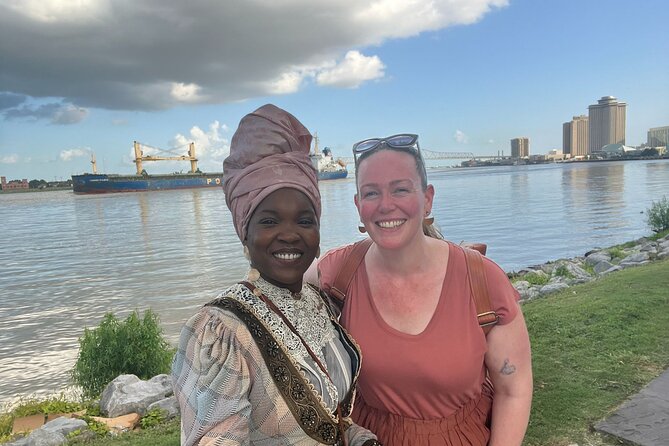
From the open public space of Jackson Square, you shift to Muriel’s Jackson Square. The tour frames it as an elegant restaurant with a colonial past, and it also ties in a famous ghost guest.
Even if you are not dining, the point of this stop is to connect architecture and reputation. New Orleans buildings often function like storybooks. You learn to look at the setting, then listen for the detail that makes the legend click.
This stop is brief, so do not expect a long history lesson. Think of it as a palate cleanser, before the tour moves toward more intensity.
Old Ursuline Convent Museum: education and faith as community power
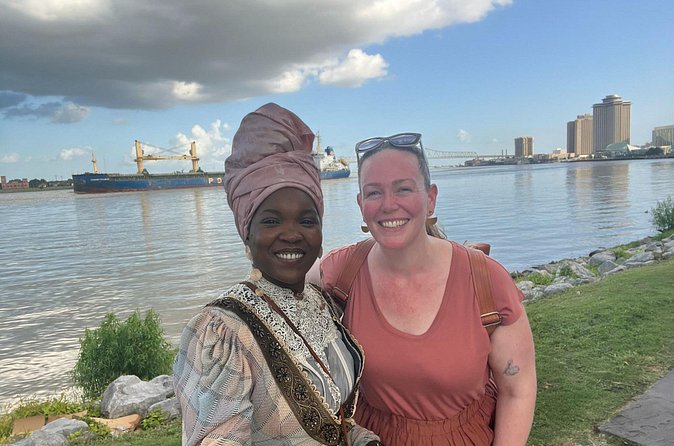
Next up is the Old Ursuline Convent Museum area. The big idea here is influence. You are shown how the Ursulines shaped education, religion, and social life for the French and Spanish colony. The building itself is presented as one of the oldest in the city and part of the Mississippi Basin setting.
This is a great stop if you like the human side of how cities grow. Instead of only focusing on famous names, you are guided toward institutions and daily life. It also helps balance the tour’s darker legends later, because this kind of influence shows up in generations, not just a single scandal.
Expect a quick stop rather than an extended visit. If you want to spend more time, you will know where to go after the walk.
You can also read our reviews of more guided tours in New Orleans




Lalaurie Mansion: the horror-story legend, handled carefully
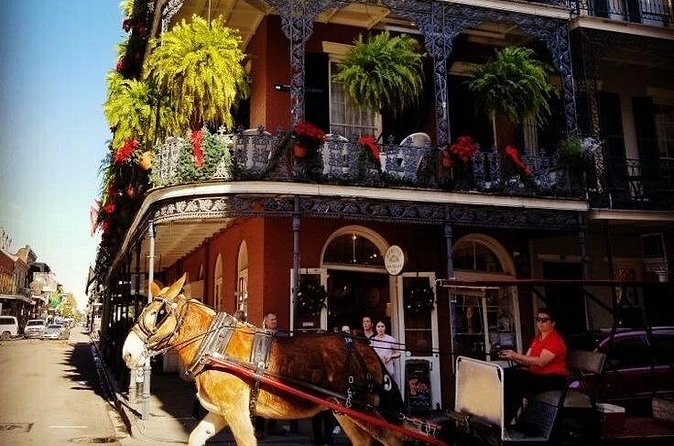
The Lalaurie Mansion stop is the tour’s most controversial note. You are introduced to the famous (and unsettling) Madame Delphine LaLaurie stories of horror and mystery, plus an emphasis on the true story behind her and how popular culture has interpreted it.
This is the one stop where you should pay attention to tone. New Orleans storytelling can lean sensational. The value here is that you are guided toward the real person and the ways interpretation can change what people think they know.
Practical consideration: if you prefer lighter themes on vacation, this is the stop that may feel like a hard turn. It is also only about 10 minutes, so you are not trapped in it.
A stylish street walk that mixes architecture, art, and antiques

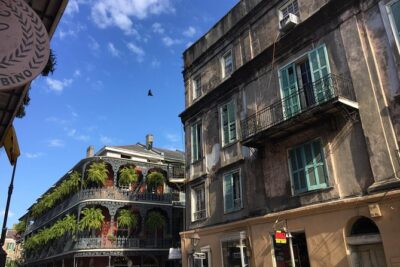
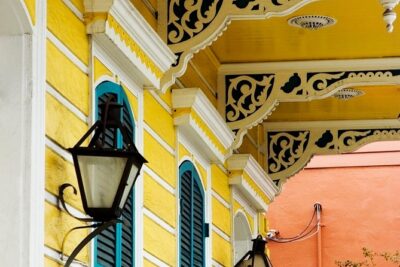
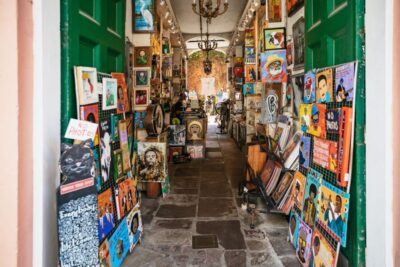
Between major landmarks, you take a walk along an elegant street known for French and Spanish colonial architecture, art galleries, and antique shops. This is not just a transit section. It is where the French Quarter becomes sensory.
This part helps because it slows the pace without stopping the tour. You get a chance to glance at details and window displays, and you start to see why the Quarter is a shopping zone even when you are not buying anything.
If you like to photograph, keep your camera ready here. The buildings and shopfronts give you a different look than the open squares.
Lafitte’s Blacksmith Shop Bar: Jean Lafitte’s era in one stop

Then you reach Lafitte’s Blacksmith Shop Bar, described as one of the oldest bars in America with ties to Jean Lafitte, the privateer who defied empires and forged alliances with New Orleans.
This stop is short at about 5 minutes, but it is built for story impact. Bars in the Quarter are more than nightlife stops. They often act like informal history hubs, where the city keeps its legends in everyday spaces.
Good value clue: admission is noted as free here. So even if you are not planning to drink, you can still experience the place as part of the tour without adding an admission fee.
Marie Laveau House of Voodoo: understanding a tradition, not just a rumor
You then move to the Marie Laveau House of Voodoo. This is presented as an essential point to understand voodoo in New Orleans and the life of priestess Marie Laveau as a key figure in the city’s cultural identity.
This is another brief stop at about 10 minutes, but it can be meaningful if you have curiosity about how traditions live in a place. The value is not just name recognition. The tour focuses on what the tradition means in New Orleans cultural life.
Practical note: if you want to keep things respectful and grounded, this is a good moment to ask yourself what you already know, then listen for how the guide frames it. The goal is understanding, not taking a myth at face value.
Bourbon Orleans Hotel and St. Anthony’s Garden: calm after the noise
Near the end, you get a couple of quieter, atmosphere-heavy stops.
The Bourbon Orleans Hotel is described as an elegant hotel with a historic past that includes a convent and an orphanage, and it preserves histories of the colonial era and the Civil War. Even if you never step inside, it is a strong reminder that this area’s past is tied to institutions and survival, not just parties.
Then you visit St. Anthony’s Garden behind St. Louis Cathedral. Here the tone shifts again. You hear about stories of mourning, conspiracies, and secret encounters. This is a peaceful break in the flow, a chance to let the tour’s themes settle in your head.
If you tend to get overwhelmed by too much detail, these two stops are useful because they create variety. You go from legends to institutions, then to a garden that feels like private city memory.
What you actually get from the guide (not just the stops)
This tour is led by a certified local guide. That matters because the city can be confusing fast. Streets look similar. Buildings look similar. Without a guide, you can end up collecting attractions without making connections.
A standout feature here is personalized narration in English, Spanish, French, or Italian. That is more than convenience. It helps you actually follow the story beats when your brain is tired from walking and heat.
One bonus detail from the tour’s reputation: a guide named Erika is highlighted as friendly and professional, with deep knowledge of the city and the ability to keep the time flying. I cannot guarantee the exact guide you will get, but the consistency of the approach is clear: the stories are meant to feel easy to track, not like a memorization contest.
Tickets, timing, and small practical details that save you stress
You start at 10:00 am and the tour runs about 1 hour 30 minutes. It ends back at the meeting point near the same area, so you are not left stranded far from where you started.
You receive a mobile ticket, and confirmation comes at booking time. The meeting point is near public transportation, which makes this a solid option even if you are not staying in the absolute center.
Admission tickets are not included for some stops. Jackson Square and Lafitte’s Blacksmith Shop bar are noted as free, which is helpful for budgeting. If you see a stop and think, I want to go inside, you may need to purchase your own admission separately, depending on what you choose.
Also note the drink policy. Alcohol is only served to people over 21. If you add the Creole drink, minors will get a non-alcoholic beverage instead.
For the walking itself, this is a walking tour, so wear shoes you can handle for an hour and a half. You will also want water, since New Orleans weather can change your comfort level fast.
Who this tour is for, and who should think twice
This fits you well if you want a tight, story-forward French Quarter plan. It is especially good for first-timers who want the big names and the cultural themes in one short session.
It also works if you are traveling as a small group or solo. With a maximum group size of 18, you get a better chance to hear the guide and stay aligned with the group.
Think twice if you are mainly looking for lots of indoor museum time. This is built for guided walking and quick stops. Several places list admission not included, so you are more likely to do look-and-learn than full paid visits at every location.
If darker legends make you uneasy, the Lalaurie Mansion stop is the main point to consider. You can still handle the overall tour since it is brief, but it is there for a reason.
Should you book this French Quarter tour?
Yes, I think you should book it if you want a practical introduction to the Quarter that does not waste your morning. The price makes sense for what you get: a local guide, a compact walking route, and language options that help you follow the story as you go.
Book it even faster if you value balance. You get public landmarks like Jackson Square, local legend spaces like Lafitte’s, and cultural tradition context around Marie Laveau, plus stops that slow you down at the garden and hotel.
If you hate mixed themes or you only want light sightseeing, you may prefer a different style of tour. But if you want the Quarter with context, this is a strong bet.
FAQ
How long is the tour?
It runs about 1 hour 30 minutes (approx.).
What does it cost?
The price is $35.00 per person.
Where does the tour start?
It starts at Pirate’s Alley Cafe, 622 Pirates Alley, New Orleans, LA 70116, USA.
Does it end where it starts?
Yes, it ends back at the meeting point.
What time does the tour begin?
The start time is 10:00 am.
Is admission included at every stop?
No. Some stops note admission ticket not included, while Jackson Square and Lafitte’s Blacksmith Shop bar are listed as free.
Is a Creole drink included?
No. A Creole drink is an optional add-on for $7.00 per person when booking.
Are alcoholic drinks served to everyone?
No. Alcohol is only served to people over 21. Minors receive non-alcoholic beverages.
What languages are available for the guide?
The tour offers personalized narration in English, Spanish, French, or Italian.
What if I need to cancel?
You can cancel for a full refund up to 24 hours before the experience’s start time. If you cancel less than 24 hours before, the amount paid is not refunded.
More Tours in New Orleans





More Tour Reviews in New Orleans


More French Quarter Tours

More ways into New Orleans


French Quarter Tours, compared.
 ★ 5.0New Orleans Food Walking Tour of the French Quarter with Small-Group OptionFrom $756,118 reviews
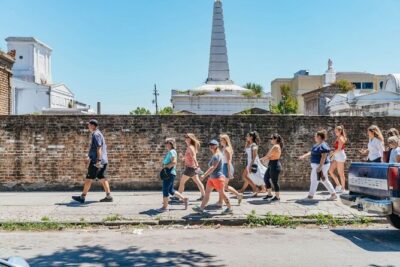 ★ 4.5New Orleans French Quarter, Voodoo and Culture Walking TourFrom $272,961 reviews
 ★ 5.0French Quarter Historical Sights and Stories Walking TourFrom $352,724 reviews
 ★ 4.5Ghost and Vampire Walking Tour Of The French QuarterFrom $212,406 reviews
 ★ 4.5New Orleans City Tour: French Quarter, Garden District & CemeteryFrom $402,209 reviews
 ★ 4.7French Quarter Walking and Storytelling TourFrom $351,251 reviews
 ★ 5.0New Orleans French Quarter Food Tour: Cajun, Creole and CultureFrom $811,246 reviews
 ★ 5.0New Orleans French Quarter and More Carriage RideFrom $651,141 reviews
Browse the lists this tour appears in