
REVIEW · FRENCH QUARTER TOURS
French Quarter Walking and Storytelling Tour
New Orleans has a talent for turning streets into stories. This French Quarter walk uses a local guide and classic stops to show you why the Quarter still feels alive.
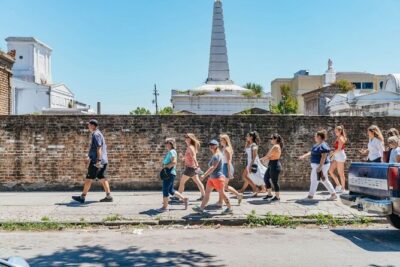
I really like the small-group format, because it keeps the pace human and makes it easy to ask questions. I also love how guides like Scott, Tim, Libby, Lesley, and Yvonne turn everyday corners into context, connecting music, architecture, and hard history to what you see right in front of you.
One caution: the Quarter’s sidewalks are uneven, and you will be walking for two hours. If you have mobility limits, come with sturdy shoes or a plan for slower movement, since even the wheelchair-friendly route can still be tough on wheels.
Key highlights worth your attention
- Meet at the Jazz Fountain at Decatur and Dumaine, right in the French Market area
- Music on every block, with a guide explaining how different cultures shaped the New Orleans sound
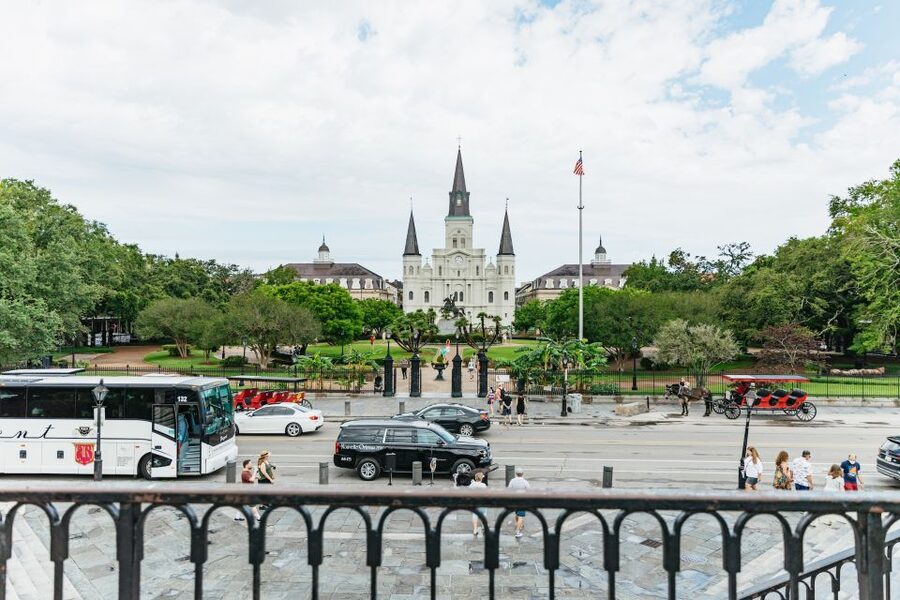
- Iconic landmarks in a tight loop: St. Louis Cathedral, Jackson Square, French Market, and the Mississippi River views
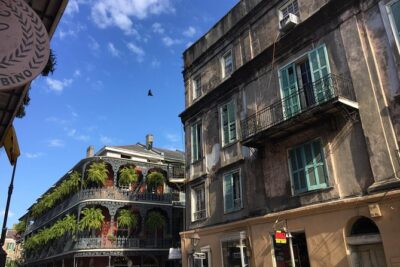
- Courtyards behind old buildings, including spots connected to 18th and 19th century Creole life
- Stark and surprising stories, including characters tied to slavery and other difficult chapters
- End near Jackson Square, so you can keep exploring right after the tour
Start at the Jazz Fountain, Where the Quarter Begins
The tour kicks off at the jazz fountain where Decatur and Dumaine meet, in the French Market district. This location is smart because it puts you near the action, yet still close to the Quarters oldest bones. When the walk starts there, you feel the Quarter’s rhythm right away: footsteps, street life, and that constant sense that something is happening just out of view.
What you get at the very beginning is an orientation, not a lecture. Your guide sets the stage with a quick overview of New Orleans history, and then you’re moving. That matters because by the time you reach the first major landmark, you’ll already understand the basic forces shaping the city.
I also like that the tour is English-language and guided in a way that’s built for real people, not history-heads only. You will get the kind of explanations that help you connect what you’re seeing to why it matters.
Keep the day moving with these tours around French Quarter.


The real magic is storytelling, not sightseeing checklists
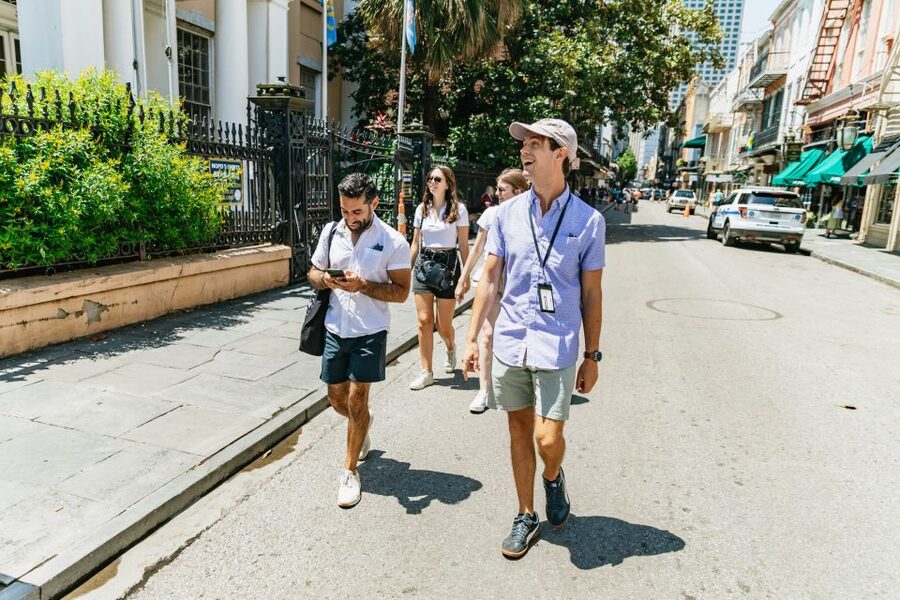
This is a walking and storytelling tour, so your guide’s job is to explain the Quarter while you’re actually walking through it. The best guides on this route do two things well: they point out what’s there, and then they give you a reason to care.
That’s why you’ll hear music on every block. The guide doesn’t just mention jazz as a vibe. They talk about the ethnic groups and cultural mix that helped form New Orleans identity, including how those threads show up in daily life, architecture, and even the way people gather outdoors.
You’ll also hear stories of the triumphant and the tawdry. Some tours keep things light. This one aims for accuracy and texture, including hard topics such as slavery. You might not love every detail, but you’ll leave with a fuller sense of how the French Quarter became what it is.
Guides such as Scott and Tim often get praised for strong pacing and clear answers. Guides such as Libby and Lesley frequently get credit for humor and passion. In practical terms, that tends to mean you spend less time staring at a landmark and more time understanding the human drama around it.
St. Louis Cathedral and Jackson Square: the postcard part, explained
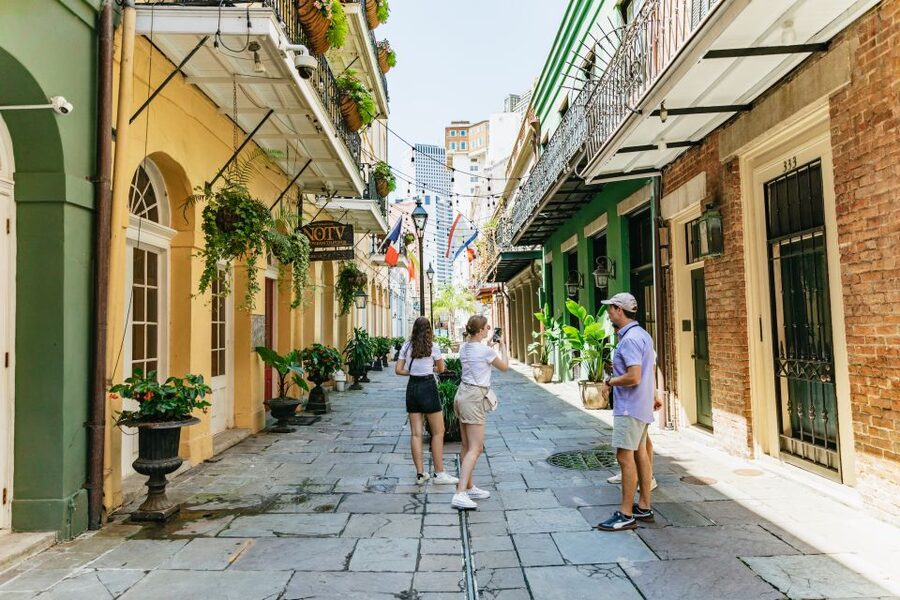
From the French Market district, you’ll work your way toward the Quarter’s most recognizable landmarks. The big two stops are St. Louis Cathedral and Jackson Square. These places are famous for a reason, but the value of the tour is what your guide adds to the view.
St. Louis Cathedral is one of those spots where, left to your own devices, you might admire the architecture and move on. With a guide, you’ll understand how the site fits into the Quarter’s early formation and the broader story of New Orleans. You’ll also get context for why this corner of the city became a focal point for identity and gatherings.
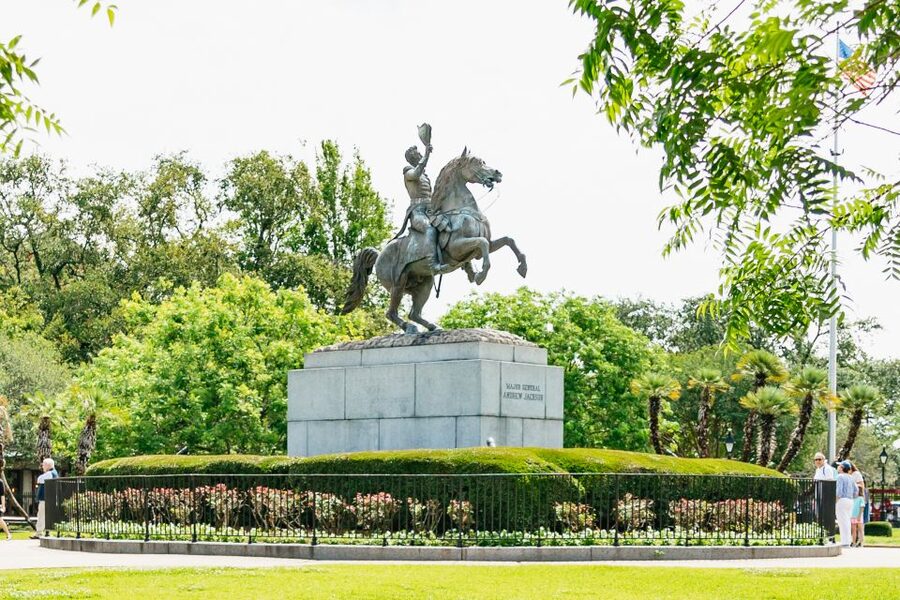
Then comes Jackson Square. It’s easy to treat Jackson Square as a scene, like a set you pass through. Your guide helps you see it as a crossroads, tied to the city’s past and the forces that shaped who lived here, who governed here, and who was excluded. The tour is careful to connect the square to the surrounding streets, so when you look up at the cathedral again or scan the square, you’ll recognize more than shapes.
You’ll also get story fuel for later. Because you end near Jackson Square, you’ll have a mental framework for what you’re seeing after the tour ends.
French Market: more than a place to snack
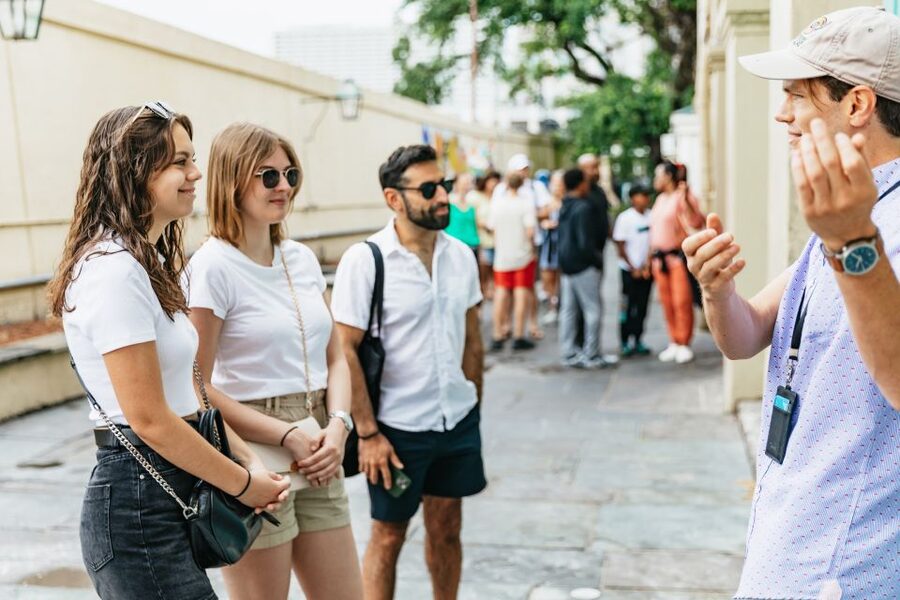
The French Market is one of those locations that most people notice for food, craft stalls, and the overall tourist energy. Your guide brings it back to the historical level by treating the market district like a living piece of the city’s commercial life.
This stop works especially well on a walking tour because you can connect the market to nearby architecture and street layout. You aren’t just standing in one spot. You’re walking through the same kinds of corridors people used long ago, and you’re learning how the Quarter’s role in trade and culture created its distinct character.
If you like markets, you’ll probably get more out of this than you expect. If you don’t, it still helps, because it gives you a bridge between the famous landmarks and the everyday systems that kept the Quarter going.
Old convent and hidden courtyards: where the Quarter slows down
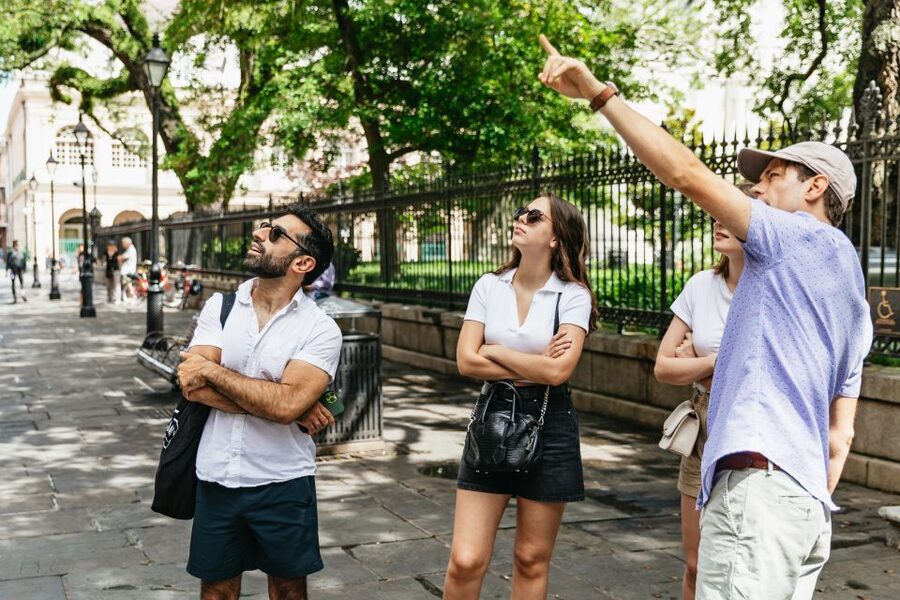
One of the best parts of this tour is the attention to spaces most visitors don’t experience. You’ll point out places tied to an almost 300-year-old convent, plus courtyards behind 18th and 19th century buildings.
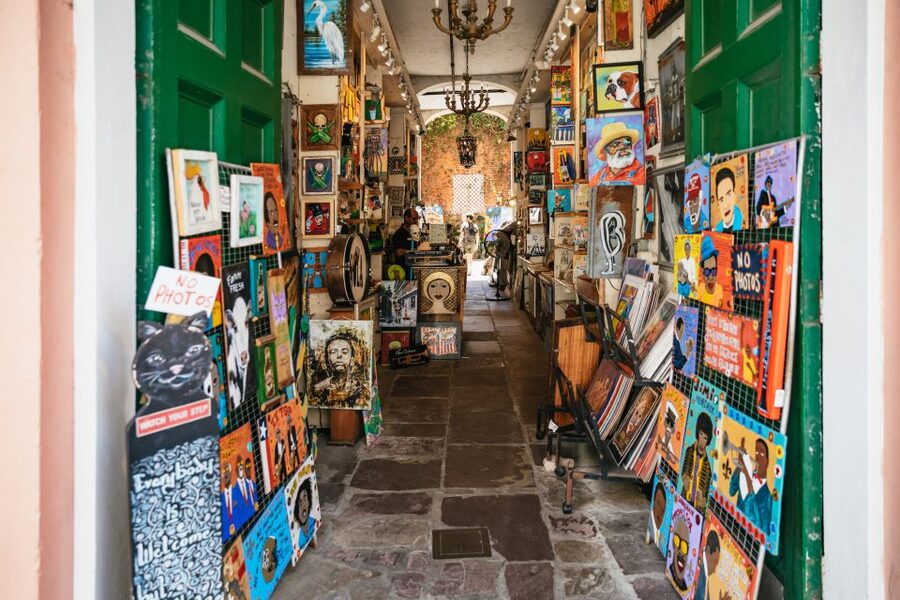
This is important because the French Quarter isn’t only big squares and famous churches. A huge part of its feel comes from what’s inside the blocks. Courtyards create a sense of separation from the street, almost like the city gives you a pause button when you look the right way.
On the ground, courtyards are also practical for photography and for planning your own exploration. After the tour, you’ll know to look for those entrances and passageways instead of walking past them like blank walls.
The convent connection also adds weight to the tour. It helps you understand that the Quarter’s story includes institutions and community life, not just entertainment and big events. That balance is what makes this tour more than a highlights loop.
The Mississippi River views: how the Quarter connects outward
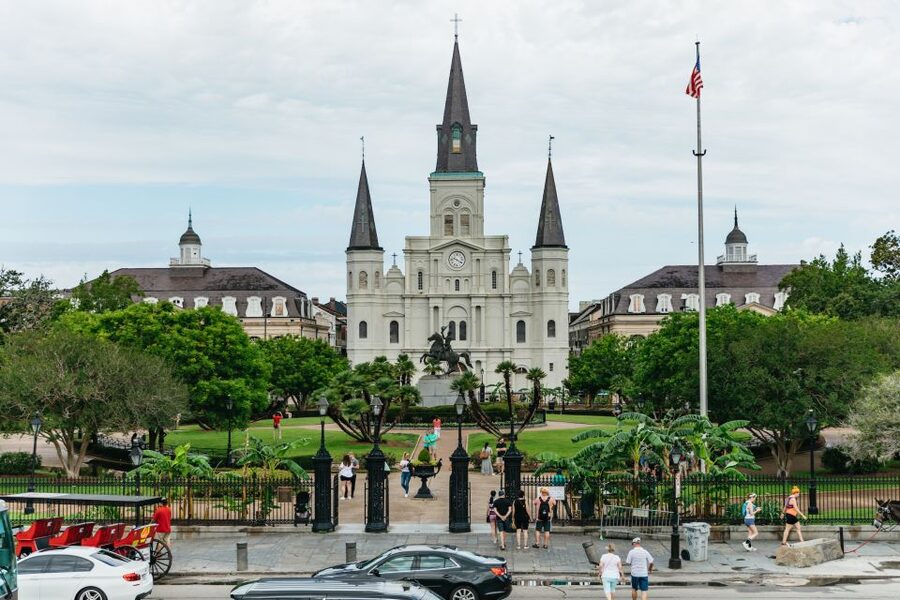
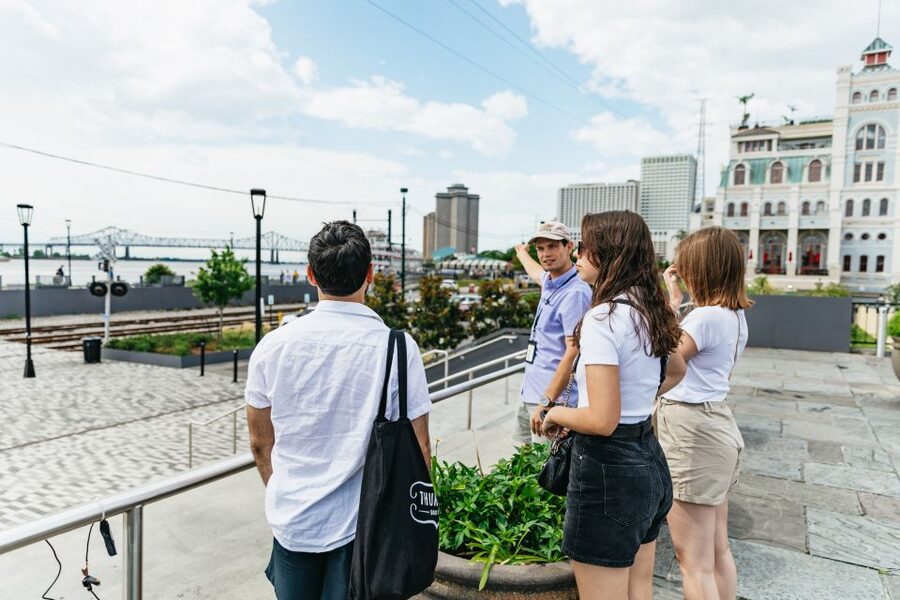
You’ll also be led to spots that connect the French Quarter to the Mississippi River. Even when you’re only seeing it from a vantage point, the river matters because it explains New Orleans power and trade. Without that context, the city can feel like it’s all charm and music, with no anchor.
Your guide helps make that connection as you move through the Quarter. That means the river isn’t just a photo moment. It becomes part of the same story as the French colonial outpost that began in 1718, and the neighborhood life that formed around that early setup.
If you want a mental map for the rest of your trip, this is a strong use of two hours. You’ll leave with a sense of how this neighborhood fits into the city as a whole.
Pacing, group size, and what 2 hours actually feels like
This tour runs about 2 hours, and the small-group format is built for comfort. In real life, that usually means you’re not stuck shoulder-to-shoulder with a mass of people. It also means your guide can respond when you ask a question, rather than steering you through like a checklist.
Several guide impressions show up in the feedback: Scott and Tim are noted for pacing that keeps up with people without rushing, and guides like Libby and Lesley are praised for being engaging and passionate. The practical takeaway for you is that the tour tends to move at a human speed. You’ll have time to look, read details, and ask for clarification instead of only hearing facts while walking past them.
Still, two hours of walking is two hours of walking. The route is not just flat sidewalks, and the French Quarter’s surfaces are uneven. Come with shoes you can trust.
Also bring water, especially in April through October. The tour itself doesn’t include water, and the Quarter can get hot. When you plan ahead, you stay focused on the stories instead of thinking about thirst.
Practical prep so you enjoy the tour instead of fighting it
Before you go, keep a few rules in mind. No pets, no smoking, and no luggage or large bags. That usually keeps the group easy to manage and helps the guide move efficiently.
For what to bring, the list is simple: water. That’s the big one. Then, wear comfortable walking shoes because the French Quarter sidewalks are uneven and tough underfoot.
If you’re using a wheelchair, it’s listed as wheelchair accessible. The practical reality is that accessibility does not mean effortless surfaces. The helpful move is to plan for extra time in the days around your visit, and to be ready for rougher sidewalk sections.
One more thoughtful tip: since you finish in or near Jackson Square, you’ll want to have your next move ready. Think of the tour as a strong kickoff for the rest of your evening.
Who this tour fits best (and who might want a different option)
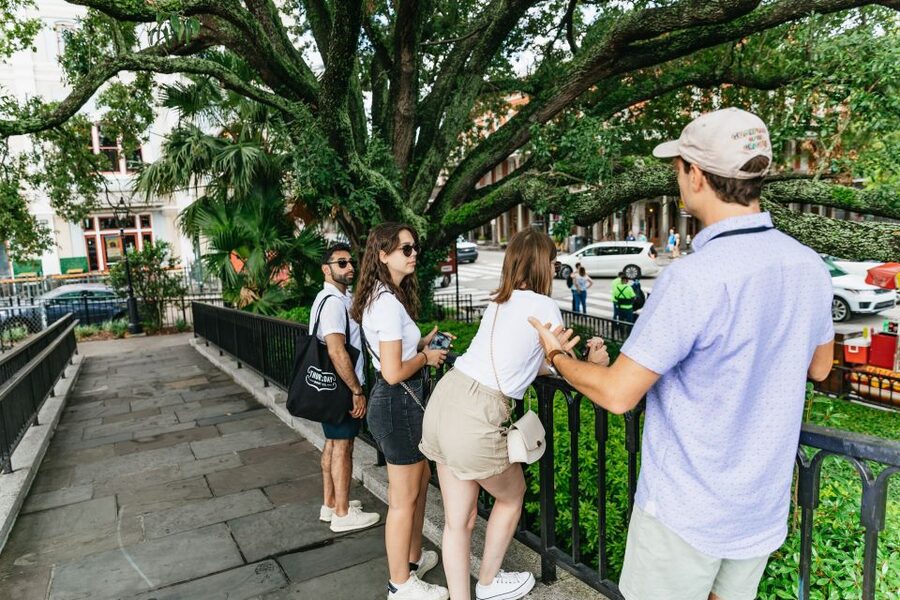
This tour is ideal if you want a first real look at the French Quarter with context. If you’re the type who likes understanding why places look the way they do, this walk will click. It connects architecture, culture, and the city’s complicated past with the streets you’re standing on.
It also works well when you want a guided start that helps you explore on your own right after. Ending near Jackson Square is a smart setup. You’ll know what to pay attention to, and you’ll be less likely to treat the Quarter like a theme park.
If you hate walking or you’re looking for purely light entertainment with no difficult topics, this may not be the best fit. The stories include slavery and other tough chapters. The tone is still storytelling, but it is not only fun.
If you want nightlife-specific stops or a full bar crawl, this is not that kind of tour. It is built around landmarks, local history, music, and neighborhood stories.
Is $35 good value for a 2-hour French Quarter walk?
At $35 per person for a two-hour guided walk, the value is best understood as “what you’re buying” rather than just the price tag. You’re paying for a guide who can connect multiple stops into one story, plus a small-group experience that makes questions possible.
You’re also getting a tight bundle of major sights: St. Louis Cathedral, Jackson Square, the French Market, and Mississippi River views. Add the extra layers, like courtyards and a convent-related stop, and you start to see why the tour can feel like more than sightseeing.
It’s also a good deal if you’re visiting for only a short time. Two hours is enough to get your bearings and still leave plenty of energy for independent exploring. If you’re staying nearby, the guide’s recommendations at the end can help you avoid wasting time later.
One cost note: gratuity is appreciated year-round, and water is not included. Those are normal in guided experiences. If you plan for them, you’re set.
Should you book this French Quarter walking and storytelling tour?
Yes, I’d book it if your goal is a smart start to the French Quarter. You’ll get the landmarks, but more importantly, you’ll understand what they mean. The small-group feel, the guide’s storytelling energy, and the extra stops like courtyards help you see more than the usual highlights.
Skip it only if you have low tolerance for walking on uneven sidewalks, or if you prefer history lessons that avoid hard topics. Otherwise, this is a strong pick for first-timers and repeat visitors alike, especially if you want the Quarter to make sense after you’ve left it.
If you go, plan to bring water, wear reliable shoes, and use the ending near Jackson Square as your springboard. That’s where the tour stops, but the story keeps running.
More Tours in French Quarter
More Tour Reviews in French Quarter
More ways into French Quarter
French Quarter Tours, compared.
 ★ 5.0New Orleans Food Walking Tour of the French Quarter with Small-Group OptionFrom $756,118 reviews
 ★ 4.5New Orleans French Quarter, Voodoo and Culture Walking TourFrom $272,961 reviews
 ★ 5.0French Quarter Historical Sights and Stories Walking TourFrom $352,724 reviews
 ★ 4.5Ghost and Vampire Walking Tour Of The French QuarterFrom $212,406 reviews
 ★ 4.5New Orleans City Tour: French Quarter, Garden District & CemeteryFrom $402,209 reviews
 ★ 5.0New Orleans French Quarter Food Tour: Cajun, Creole and CultureFrom $811,246 reviews
 ★ 5.0New Orleans French Quarter and More Carriage RideFrom $651,141 reviews
 ★ 5.0French Quarter walking Food Tour Famous Flavors of New OrleansFrom $751,115 reviews
Browse the lists this tour appears in