

REVIEW · GARDEN DISTRICT TOURS
New Orleans: Garden District Guided Walking Tour
This walk turns mansions into stories. I love how a good guide makes the Garden District feel lived-in, with Lafayette Cemetery No. 1 adding that eerie, fascinating layer right near the homes. You get sharp architecture talk plus neighborhood anecdotes that help you see the area as more than pretty streets.
The main thing to plan for is the footwear and access limits: the route has uneven ground, and you’ll only get a gate-level peek at the cemetery since it is not open to the public.
Key things you will notice on this Garden District walk
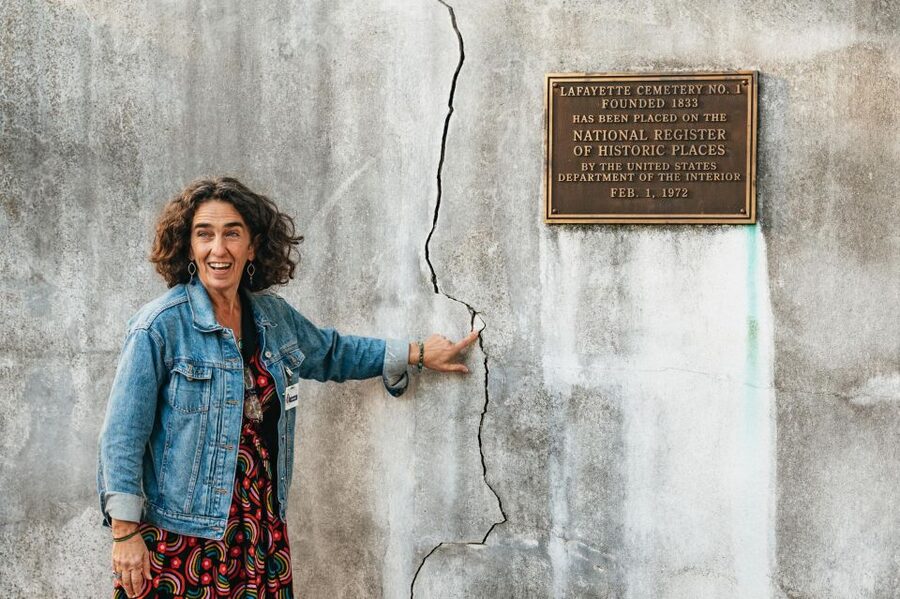
- Gate-level look at Lafayette Cemetery No. 1, a National Historic Landmark, with above-ground interment customs explained
- Antebellum-style architecture origins, tied to risk-takers, speculators, and dreamers after the Louisiana Purchase
- Tree-lined streets plus real storytelling, not just dates and names
- A small-group feel and an unhurried pace, with guides known for humor and answering questions
- Easy next step right after the tour, since it ends near Magazine Street for shopping and dining
Why the Garden District feels different right away

The Garden District is the kind of New Orleans you notice in your posture. The streets are quieter than the Quarter, the houses sit back with space around them, and the whole place feels more planned, more composed.
On this walk, you start with a quick setup for how New Orleans and the Garden District connect, then you move into what makes the neighborhood special: its antebellum-style architecture and the leafy streets that frame it. I like that the tour doesn’t treat the homes like museum pieces. It treats them like statements people built, dreamed, and paid for.
You’ll also hear how this was a wealthy suburb after the Louisiana Purchase, shaped by speculators and dreamers who took risks to carve out a new kind of neighborhood. That context matters, because once you hear the why, the details make more sense, from gate designs to the way homes sit along the lots.
More Garden District stories among the live oaks



Before you go: shoes, pace, and what 2 hours really means
This is a true walking tour, and the terrain is part of the reality. The area has uneven walking surfaces, so sturdy shoes are strongly recommended.
You’ll want to think about timing too. The tour runs about 2 hours, so it moves with purpose. That can be a plus if you want highlights without a half-day commitment, but it also means you should come ready to walk and listen at the same time.
The tour is wheelchair accessible, but because of uneven ground, it’s still wise to plan for what that may feel like in practice. Also, pets and smoking are not allowed, so leave furry friends and smoke breaks for another stop.
Lafayette Cemetery No. 1: the gate peek that changes your whole perspective

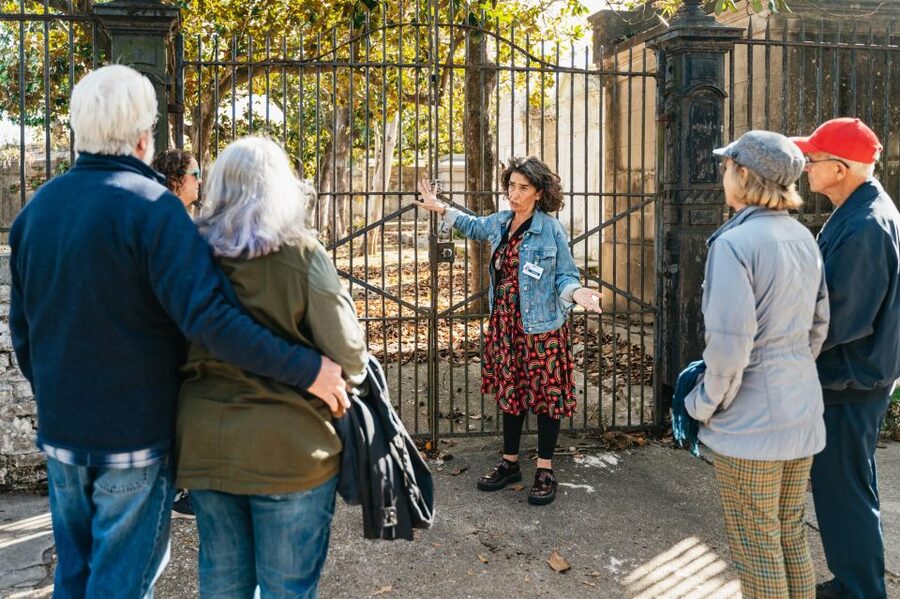
One of the strongest reasons to take this tour is the stop at Lafayette Cemetery No. 1, a National Historic Landmark. You’re not going inside, though. You get a peek from the gates because the cemetery is currently closed to the public.
Even from the outside, this is where the Garden District starts to feel like a living story, not a postcard. You’ll learn about New Orleans’ unusual above-ground interment customs, which is a big deal in this city. The fact that the tour focuses on the customs, not just the stones, makes the cemetery part feel understandable instead of spooky-for-spooky-sake.
If you’re into pop culture, you may feel an extra spark here. One guide-style storytelling approach that shows up again and again is linking the visuals to the famous narratives people already know, including the Lafayette Cemetery connection that pops up in TV stories. Even if you are not, the explanation still lands because it answers the big question: why are graves stacked like that above ground?
The architecture story: antebellum style with a real-world origin
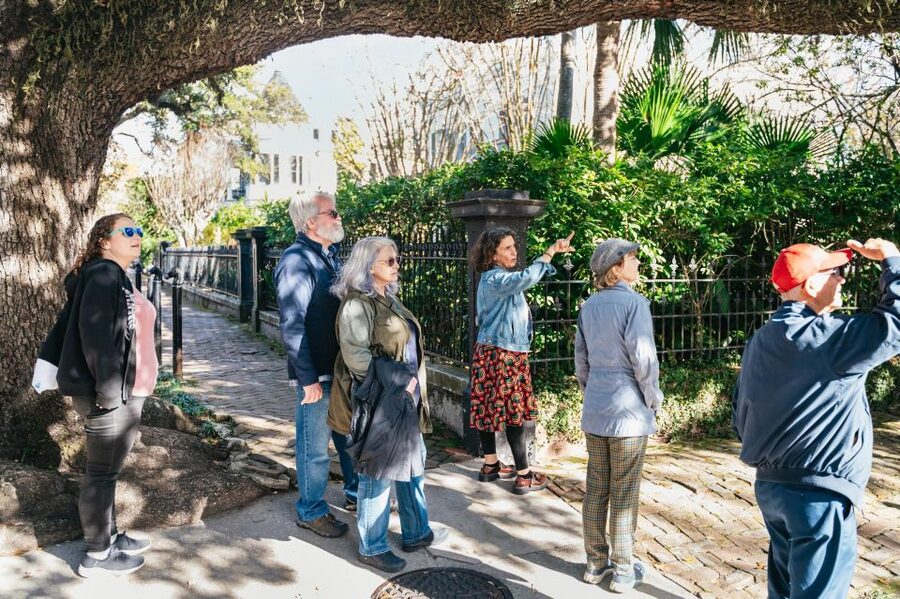
The Garden District’s homes look like they’ve been waiting for you, but the tour helps you see them as a result of choices, money, and ambition. You’ll learn about the origins of the neighborhood’s distinct antebellum-style architecture, and that explanation is more useful than you might expect.
A big theme is how this neighborhood grew into a wealthy suburb after the Louisiana Purchase. That is where the tour’s human angle comes in: risk-takers, speculators, and dreamers helped shape the area, not just wealthy families living on inherited comfort.
As you walk, you’ll notice how architecture communicates status in small but consistent ways. The tour points you toward details you can actually spot on the street: how the homes present themselves, how the landscaping frames the property, and what it means to build grand in a city where flooding and heat are part of the long-term story.
This is also why a guided walk beats self-guiding here. On your own, you can admire houses. With a guide, you understand what you are looking at and why people built that way in that moment.
Meet the guides: why storytelling quality matters here

A walking tour like this lives or dies by the guide. The consistently praised vibe is not just facts, it is personality plus clarity.
You’ll hear from guides such as James, who comes through as engaging and funny, with an ability to answer questions without turning the tour into a lecture. Several people singled out his habit of giving onward tips for food and other places to visit, which is exactly what I want when I have limited time in New Orleans.
Other names that show up with the same pattern: Lesley as a storyteller who can weave in details and still fit in extra houses that guests ask about, and Yvonne as a pleasant, educated guide who keeps the tour moving with confidence.
There are more examples too: Renee bringing a native’s sense of place, Libby connecting architecture and culture with easy-to-follow explanations, and Jackie delivering stories that make the neighborhood feel personal. In several accounts, guides also adapt smoothly when weather turns, including when conditions get colder or rainy.
You can take that as a practical cue. If you enjoy learning through character, humor, and a guide who answers questions, this tour will likely feel like a smart use of your time.
You can also read our reviews of more walking tours in New Orleans






Walking the leafy streets: what the route feels like on the ground
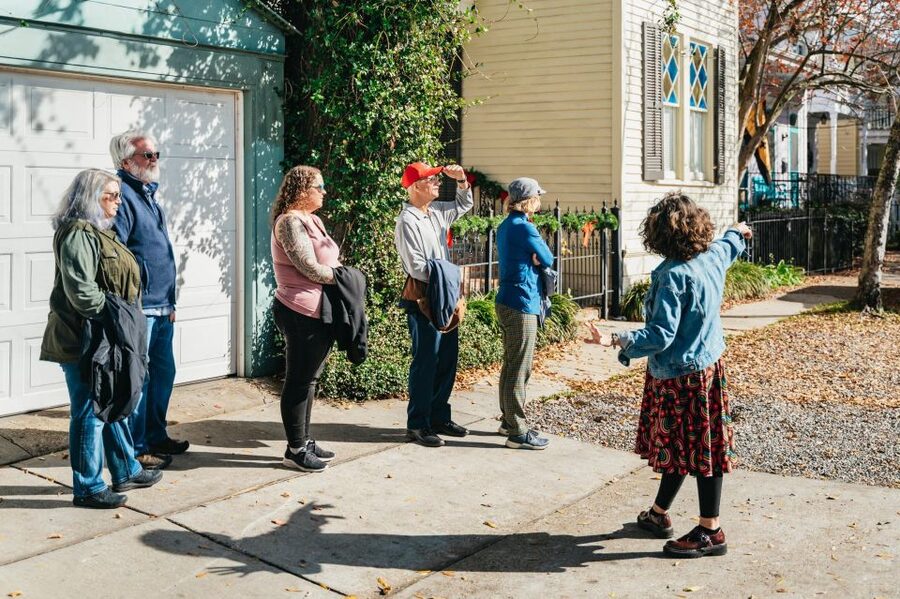
This tour is designed around the Garden District’s rhythm. You move from one standout scene to the next, mostly on tree-lined streets that make the whole experience feel calmer than the main tourist zones.
The pacing is often described as a good match for a walk that is still informative. You get enough stops to absorb what you are seeing, and you do not feel rushed. That matters in a place like this, where houses are close enough to look at but spaced enough that you can miss details if you skim.
Because the tour is about stories, you will also want to keep your eyes up. Look for the small signals the guide is pointing out, from the way gates mark property to the ways gardens frame the view. It is the kind of sightseeing where your brain starts organizing what you notice, so by the end, you are not just seeing homes, you are reading the neighborhood.
If you are the type who likes asking questions, this tour tends to reward that. Many guides are described as welcoming questions, which makes the walk feel more like a conversation with a local than a one-way show.
Why the tour is worth $35 per person
At $35 per person for about 2 hours, the price is in the sweet spot for a guided neighborhood experience. You are paying for three things: expert interpretation, a route that hits key highlights, and a guide who helps you understand what you are seeing as you go.
If you tried to do this on your own, you could absolutely enjoy the architecture. But you would miss much of the “why.” The tour’s value is in tying the visual stuff to the city’s story, especially the connection between the Louisiana Purchase era growth and the homes that followed.
Also, the cemetery stop is a big part of the equation. Since Lafayette Cemetery No. 1 is currently closed to the public, the tour’s gate-level peek carries extra meaning. Even without interior access, you still get the context that explains what you are seeing.
Finally, the guides’ habit of offering onward tips adds practical value. After the tour, you are not stuck wondering where to go next. You have direction.
The finish near Magazine Street: turn history into a meal or browse

The tour ends near Magazine Street, which is a smart move. It makes it easy to convert the walk into something immediate, like shopping or a relaxed lunch or dinner.
If you still have energy afterward, you can keep exploring the Garden District and the cemetery area on your own. Just remember the cemetery itself is noted as currently closed to the public, so plan around what you can access.
In my mind, this is one of the best end points in New Orleans for this kind of half-day commitment. You get the history piece, then you get a low-pressure way to enjoy the city’s modern street life.
Should you book this Garden District guided walking tour?

Book it if you want a high-signal walking tour where the homes are explained, not just admired, and where the Lafayette Cemetery No. 1 gate peek comes with context about above-ground interment customs. It is also a strong choice if you care about guide quality, because multiple guides are recognized for humor, engagement, and answering questions.
Consider skipping or switching to something else if you have trouble walking uneven surfaces for extended stretches, or if you were hoping for full inside cemetery access, since this stop is only from the gates.
FAQ
How long is the Garden District guided walking tour?
The tour lasts 2 hours.
What does the tour cost?
The price is $35 per person.
Where does the tour start?
The meeting point may vary depending on the option booked.
Is a live guide included?
Yes. It includes a live tour guide in English.
Is the tour wheelchair accessible?
Yes, the tour is listed as wheelchair accessible.
Will I be able to enter Lafayette Cemetery No. 1?
You can peek inside the gates of Lafayette Cemetery No. 1, but it is noted as currently closed to the public.
What will we see during the walk?
You’ll see the Garden District’s leafy streets and antebellum-style architecture, plus the cemetery gate stop. The tour also ends near Magazine Street.
What should I wear for the tour?
Because of uneven walking surfaces, sturdy walking shoes are strongly recommended.
Are pets or smoking allowed?
No. Pets and smoking are not allowed.
More Tours in New Orleans



More Tour Reviews in New Orleans


More Garden District Tours



More ways into New Orleans


Garden District Tours, compared.
 ★ 5.0New Orleans Garden District History Walking TourFrom $352,879 reviews
 ★ 4.5New Orleans City Tour: French Quarter, Garden District & CemeteryFrom $402,209 reviews
 ★ 5.0New Orleans Small-Group Garden District Walking TourFrom $351,384 reviews
 ★ 4.5New Orleans City and Cemetery Tour with Garden District StrollFrom $55766 reviews
 ★ 5.0New Orleans Highlights of the Garden District Walking TourFrom $37492 reviews
 ★ 4.8Garden District TourFrom $28480 reviews
 ★ 5.0Garden District Home and History Walking TourFrom $26470 reviews
 ★ 4.5NOLA Garden District and Gates of Lafayette Cemetery TourFrom $25444 reviews
Browse the lists this tour appears in