

REVIEW · FRENCH QUARTER TOURS
Private French Quarter Walking and City Surrounding Neighborhoods Driving Tour
New Orleans clicks faster with a local guide. A private French Quarter walking tour plus a long afternoon drive gives you the big landmarks and the neighborhoods most visitors miss. I love how the group stays small, so you can ask questions without shouting over crowds. I also like the way the tour connects old Creole New Orleans to what Hurricane Katrina changed. One consideration: you do walk about 1.5 miles total, so wear shoes you can stand in for a while.
This is built for comfort and flow. Your guide meets you at 619 St Peter and you get hotel pickup and return, then the morning portion moves at a leisurely pace. After the walk, you recharge with a break and an optional lunch at your own expense before heading out again.
In the afternoon, the driving portion covers about 50 miles, taking you beyond the postcard streets. You’ll pass through places tied to the city’s social history, its schools, its riverfront, and its rebuilding story, then finish back at the starting area.
Key highlights worth planning around

- Small group, big attention: Up to four people, private guide, private vehicle.
- French Quarter on foot first: About 3 hours walking so you can feel the city at street level.
- Real neighborhood variety: Bayou St. John, St. Charles Avenue, the Garden District, and more.
- Katrina legacy is part of the story: You’ll stop at spots connected to rebuilding, including the 17th Street Canal area.
- University stops for local context: Tulane and Loyola show another side of New Orleans.
- Guides can make it personal: Dominic Musso is noted for organized, detailed storytelling based on early and recent city history.
Why this French Quarter plus driving combo is such good value

If you’re new to New Orleans, a common problem is that the city feels split into two different vacations: one part is the French Quarter, and the other part is everything else you never quite organize. This tour stitches those parts together. You start where visitors go, but you go in a calmer way. Then you transition into real neighborhoods with a guide who can explain what you’re seeing as you move.
The price sounds high until you do the math. It’s $695 per group up to 4, so if you split it with three travel companions, you’re effectively paying roughly $174 per person (before any meals or optional entries). For a private guide and private car for about two halves of the day, it’s a fair way to buy time and clarity. You’re not relying on luck to get oriented, and you’re not spending the afternoon trying to piece together neighborhoods on your own.
You also get a format that respects your feet. The morning is walking focused, then the afternoon is seated, with more stops as you go. That matters in New Orleans, where weather, heat, and street conditions can turn a “quick walk” into a long one.
More French Quarter walks and tastings near the same streets



Meeting on St Peter, then getting your bearings fast
The day begins at 619 St Peter. If you’ve never been here, St Peter is a practical starting point because you can find it easily and it’s close to the French Quarter’s core lanes. The schedule also helps you avoid that late start problem. The start time is 9:00 am, so you get the morning light and fewer crowds.
Your private guide brings the key advantage of this setup: you’re not stuck guessing. You can ask why a building looks the way it does, why a street is laid out a certain way, or why a particular neighborhood feels different from the last one you crossed. And because it’s limited to four people, the questions don’t turn into a line.
There’s also a built-in expectation-setting moment. The walking portion covers about 1.5 miles (2.4 km) at a leisurely pace. That distance isn’t huge, but it’s enough to feel like you’re moving through the city, not just popping by two corners and leaving.
French Quarter landmarks you’ll actually understand on the walk
The morning is about 3 hours dedicated to the French Quarter. This is where you go beyond photos and learn how the city’s power centers shaped what you see now.
You’ll stroll past classic French Quarter anchors like Jackson Square, the St. Louis Cathedral area, the Cabildo, and along the route that includes the Presbytere and Pontalba buildings. Even when you don’t go inside, the guide ties these structures to the city’s founding and the cultural mix that shaped everything from architecture to street life.
Jackson Square: the founding moment in human scale
Jackson Square is where the guide gives you the baseline story: why the settlement happened and what factors led to the city’s founding. It’s the kind of stop that works best when you have context first, because the square later makes more sense as you walk the edges and notice details in the surrounding buildings.
A small practical note: there’s no ticket included for this stop. Plan to enjoy it from the public areas unless your guide suggests an optional inside visit elsewhere.
St. Louis Cathedral: you choose whether to go in
At St. Louis Cathedral, the tour stops for the option to go inside. The stop is brief, around 10 minutes, and the cathedral entry is not included in the tour price. If you’re the type who likes to see places in person rather than just from the street, this is worth the time, because the cathedral is one of the French Quarter’s most important landmarks.
If you’re more exterior-focused, you can still learn a lot just from the curbside explanations. The guide’s job here is to help you connect exterior views to what the buildings represent.
You can also read our reviews of more walking tours in New Orleans
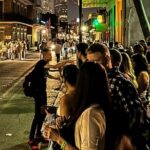


Cabildo: the Louisiana Purchase story brought to the foreground
The Cabildo stop includes a look inside, when you wish to go. This is where the guide explains the reasons behind the Louisiana Purchase taking place inside the building. It’s one of those moments where the “history” stops being abstract because you can point to the space and understand how decisions shaped the next chapters of New Orleans.
Like the cathedral, entrance is not included. Still, the stop itself is part of the value because the guide is giving you context before you make the inside choice.
Bonus French Quarter details that make the walk feel complete
The walking route also includes landmarks mentioned as part of the French Quarter exploration, including the Presbytere and the Pontalba buildings. This matters because these buildings help you see how the Quarter developed with its own logic, not just as a theme park for postcards. You’ll get help noticing how the area’s architecture reflects culture and power, and how the river economy influenced the city.
The afternoon switch: walking break, then a 50-mile neighborhood tour

Once the French Quarter portion ends, you get a break and can add lunch if you want. The lunch is optional and at your own expense, but this is a smart pause point. You’ve already done your walking work. Now you can reset before the car portion.
The driving tour runs about 3 hours and covers roughly 50 miles (80 km). This is where the experience becomes more than a “see the sights” day. The guide uses the route to show you different types of New Orleans, including spots tied to daily life, education, suburb development, and the long shadow of disaster and rebuilding.
Neighborhoods you’ll get to see from inside the city, not off the main road
The afternoon includes several named areas and stops. Here’s what makes them useful, and what to watch for as you pass through.
Bayou St. John and the river-adjacent feel
The tour includes Bayou St. John, which helps you understand New Orleans beyond the Quarter. Even if you’re not getting out for long, you’re seeing how water shapes the city’s layout and mood. In New Orleans, water is never just scenery. It’s part of how people planned and built.
Audubon Park: from city icon to sugar story
Audubon Park is also part of the day. You’ll spend time there, and the guide shares a fascinating detail: the process of granulating sugar was invented there. Whether or not you remember the chemistry, this kind of stop changes how you see a park. It’s not only a pretty backdrop, it’s connected to the industries that once fueled the city.
This stop notes admission ticket free, which is helpful if you’re trying to keep the day’s add-on costs down.
Faubourg Marigny: suburb history with heavy context
Faubourg Marigny is included as a stop, and the guide explains how it developed as the first suburb and the major role it played in the Placage system of matchmaking and slavery. This is important. It adds context for why different parts of the city have different social histories, not just different architecture.
It can be a lot to absorb, but it’s also one of the reasons to book a guide instead of driving yourself. The city has layers. A good guide helps you read them without pretending the story is only charming.
Tulane and Loyola: universities as local engines
The tour visits Tulane and Loyola Universities. You also learn about eight universities in town and how they shaped New Orleans. This angle is great if you like seeing how cities keep changing. It’s also a useful way to understand New Orleans today, because universities shape neighborhoods, culture, and even local politics.
St. Charles Avenue, then the Garden District
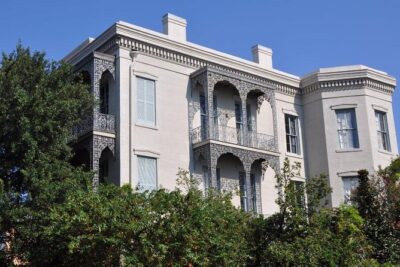
The drive includes St. Charles Avenue, and the tour continues to the Garden District before ending back toward the Central Business District area. Even if you only have short viewing windows, the contrast is the lesson. The guide helps you see how the city’s wealth and settlement patterns show up in streets, blocks, and building styles.
This segment is especially good for photographers, but even if you don’t care about pictures, it helps you understand what “class” and “planning” looked like in different eras.
The 17th Street Canal and Katrina rebuilding context
One of the most valuable parts of the driving tour is that it addresses the legacy of Hurricane Katrina and continued rebuilding efforts. The route specifically includes the 17th Street Canal area. This is the kind of stop that sticks because the city’s physical changes explain the story better than words alone.
If you’re the type who wants to understand what disaster changed, this is the “why” behind what you might already hear in the news and on walking tours.
Optional lunch and how to use the break smartly

Lunch is optional, and it’s on your own. That can be a negative only if you hate choosing restaurants. The upside is your guide can recommend places based on the kind of food you want, including Creole or Cajun fare or modern Southern-style cooking, and they can also factor in dietary restrictions.
My practical advice: eat something filling but not too heavy. You have more driving later, and you may want energy for walking again at your hotel or on your own after the tour. Also, if you’re sensitive to heat, pick a lunch spot with air conditioning so you’re not fighting the afternoon temperature.
Price and logistics: what you’re really paying for

Let’s talk money like adults.
You pay $695 per group up to 4, for a day that includes:
- a private French Quarter walking segment
- a private driving segment through outlying neighborhoods
- a licensed, insured local guide
- hotel pickup and return
- private transportation
So you’re buying organization, local explanations, and transportation that would otherwise take you time to plan. If you’re traveling solo or as a couple, the cost per person is higher because the group cap is four. But if you can split it, the price becomes much easier to justify for a first-time orientation day.
The other “value” piece is the format. The tour saves you from doing hours of research and still missing the neighborhoods that shape how New Orleans works. The car portion also lets you see places that are hard to connect efficiently by foot.
The guide matters, and the guide can change the whole day
This tour is private, and the guide is the product. One name that stood out in feedback for this experience is Dominic Musso, praised for being organized and highly familiar with both early and recent New Orleans history. Personal anecdotes and clear planning were highlighted as part of what made the tour feel worth the cost.
Even if you do not get Dominic, this is the kind of tour where a good guide makes a real difference. The stories here are not generic. The stops connect to specific ideas like the Louisiana Purchase setting at the Cabildo, the sugar-granulation detail at Audubon Park, and the social history tied to Faubourg Marigny.
Who this tour fits best
I’d point you toward this tour if:
- you’re on a first trip and you want a calm orientation to multiple neighborhoods
- you like history but want it tied to real places, not just dates
- you want the French Quarter included, without spending the whole day stuck in it
- you can walk about 1.5 miles comfortably
- you’re traveling with up to three friends or family members and want private attention
If you hate walking entirely, you might prefer a tour with less foot time. And if you already know New Orleans well and mainly want deep specialty topics, you may find this mixes too many themes into one day. But for most people, it hits the sweet spot between “see the sights” and “understand the city.”
Should you book this private French Quarter walking and neighborhood driving tour?
Yes, if you want one high-impact day that teaches you how New Orleans fits together. The French Quarter stops give you the core landmarks with real context, and the afternoon drive expands your understanding into neighborhoods tied to the city’s social history and its Katrina rebuilding story. The small group size is a practical upgrade, because it keeps the experience personal.
Book it especially if you’re traveling with a small group and you’re okay paying for a private guide and transportation. When the day is over, you’ll know where things are, what you just learned, and where to go next on your own, armed with a map in your head, not just a list of places.
FAQ
How long is the tour?
The total experience is about 7 hours, including both the French Quarter walking part and the driving part.
Is this tour private?
Yes. It’s a private tour with a maximum group size of 4 people per booking.
Is hotel pickup and return included?
Yes. The tour includes hotel pickup and return, along with private transportation.
Where does the tour start and end?
The meeting point is 619 St Peter, New Orleans, LA 70116, USA. The tour ends back at the meeting point.
What’s included, and what’s not?
Included are the private 3-hour walking tour, the private 3-hour driving tour, a licensed and insured local guide, hotel pickup and return, and private transportation. Not included are food and drinks, souvenirs, and admission to unplanned attractions.
Are face masks required?
As of March 2022, masks are no longer required by the city. Some venues may still require masks and/or proof of vaccination, so it’s best to check before you go.
More Tours in New Orleans


More Tour Reviews in New Orleans


More French Quarter Tours

More ways into New Orleans


French Quarter Tours, compared.
 ★ 5.0New Orleans Food Walking Tour of the French Quarter with Small-Group OptionFrom $756,118 reviews
 ★ 4.5New Orleans French Quarter, Voodoo and Culture Walking TourFrom $272,961 reviews
 ★ 5.0French Quarter Historical Sights and Stories Walking TourFrom $352,724 reviews
 ★ 4.5Ghost and Vampire Walking Tour Of The French QuarterFrom $212,406 reviews
 ★ 4.5New Orleans City Tour: French Quarter, Garden District & CemeteryFrom $402,209 reviews
 ★ 4.7French Quarter Walking and Storytelling TourFrom $351,251 reviews
 ★ 5.0New Orleans French Quarter Food Tour: Cajun, Creole and CultureFrom $811,246 reviews
 ★ 5.0New Orleans French Quarter and More Carriage RideFrom $651,141 reviews
Browse the lists this tour appears in