
REVIEW · NEW ORLEANS BIKE TOURS
New Orleans Heart of the City Bicycle Tour
New Orleans is best learned on two wheels. This Heart of the City ride takes you past the usual postcard stops and into neighborhoods like Faubourg Marigny and Bywater, with smart, story-filled stops along the way. You’ll also get up close to the city’s burial traditions at St. Roch Cemetery, which is not the kind of detail you stumble into by accident.
I especially like the focus on local perspective, with guides such as Eric earning standout praise for history, humor, and safe navigation. I also like the practical format, since you get rental bike + helmet and bottled water, and you’re not stuck listening to facts while standing still in the heat.
The one real consideration is physical comfort. This is a bike tour for people with a strong physical fitness level, and you’ll be riding in warm conditions, so plan for sunscreen and closed-toe shoes, no flip-flops.
Key things that make this tour work
- Small group, max 10 so you can ask questions without shouting over the crowd
- Local storytelling with Eric, including humor and clear context from real New Orleans life
- A gentle but active pace that still covers multiple neighborhoods in about 3 hours
- Faubourg Marigny and Bywater to see Creole culture and modern New Orleans side by side
- St. Roch and the above-ground tombs when you want history you can actually see
- Treme’s story of the first free Black neighborhood gives the city a deeper backbone
Why this ride beats the usual French Quarter loop
If your New Orleans plan is all wrought-iron balconies and street performers, this tour helps you reset your focus. The route pushes outward into neighborhoods that shape the city’s culture, not just its tourist image.
I like that it connects stories across time, from the Creole roots people talk about today to the neighborhood identities you feel when you’re riding through them. You start near the French Quarter, but you quickly get a sense of how New Orleans grew beyond it.
More New Orleans bike routes beyond the Quarter



Flambeaux meetup, bike fitting, and the safety briefing that actually matters
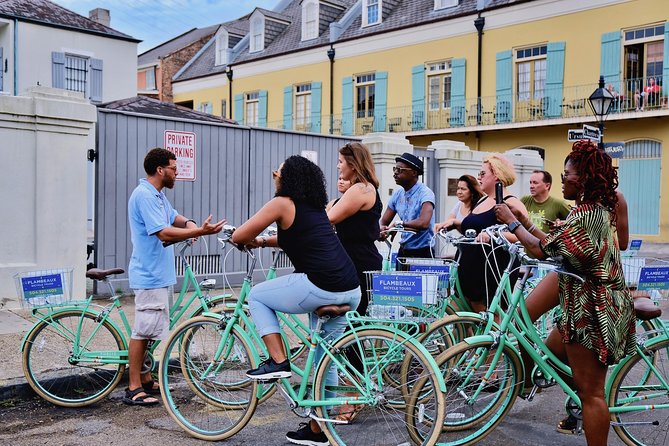
You meet at Flambeaux Bicycle Tours & Bike Rentals at 626 N Rampart St. The tour starts at 9:30 am, and it ends back at the same meeting point, so you’re not planning a complicated end to your morning.
In the first stop, you get fitted with your rental bike and helmet, and you go through safety procedures before rolling out. That matters in New Orleans, where bike lanes are not consistent and street traffic can be unpredictable. With a small group, the guide can keep an eye on everyone’s comfort level right away.
I’d suggest showing up a few minutes early if you want time to get settled and take a quick look at your bike before the group departs. If you’re caffeine-minded, there’s Twelfth Night Coffee next door to the shop, which is a handy option before you start pedaling.
Mississippi River views and Jackson Square, without the crowds taking over
The first ride brings you to the Mississippi River for a short stop. It’s not a long scenic detour, but it sets the stage. New Orleans is a water-city, and seeing the river early helps you understand why neighborhoods formed where they did.
From there you head toward Jackson Square for a classic city-center moment, with a “postcard view” setup. What makes this stop feel different is the context you get about how this area helped establish la ville de la Nouvelle-Orléans. It’s the kind of framing that makes landmarks feel less random.
A potential drawback here is the same one that hits every popular area. If you arrive already tired or heat-sensitive, center-city sun can feel intense. The good news is the ride has multiple short stops built in, so you’re not stuck for hours under one patch of light.
Faubourg Marigny: the oldest faubourg, with music and culture you can follow
Next up is Faubourg Marigny. You’ll hear that it’s the oldest faubourg in the city, and the guide ties that fact to what you can notice as you ride through the neighborhood.
This is also where the tour shifts from “look at the landmark” to “understand the place.” You’ll get recommendations for music clubs and learn what kinds of cultural treasures this area represents. I like this part because it gives you an on-ramp for where to go later, beyond the French Quarter.
One practical tip: if you want photos, this section is usually a better bet than trying to pose in the busiest blocks of the Quarter. You’ll still have plenty to shoot, but you’re not fighting the same density.
Bywater and the 9th Ward: trendy streets, voodoo culture, and lived-in New Orleans
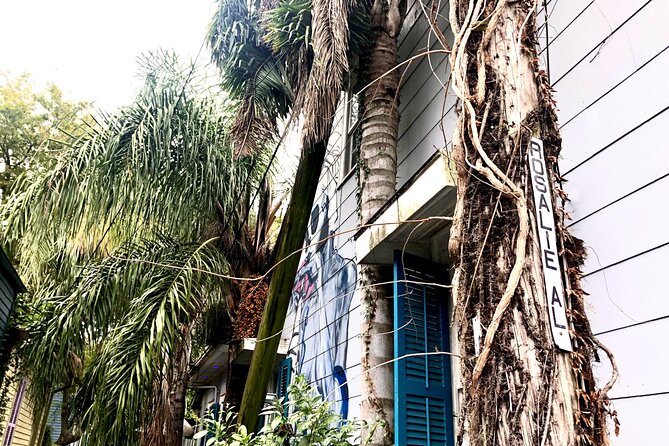
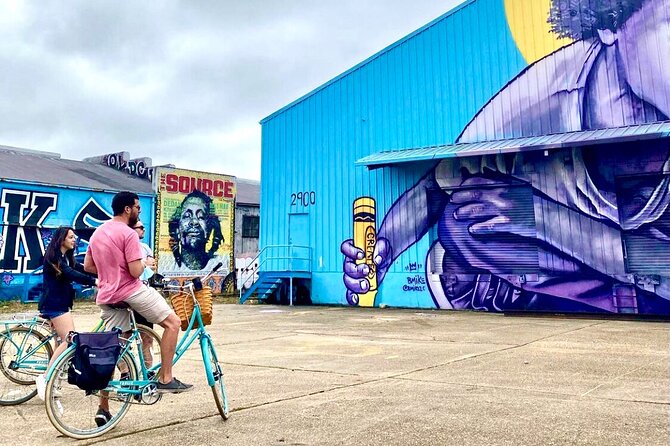
Then you pedal through the Bywater District in the 9th Ward. The vibe here is more contemporary, but the tour connects it back to the cultural foundations people associate with New Orleans, including VooDoo traditions.
I like that the tour doesn’t treat culture as a museum display. It frames beliefs and community traditions in a way that feels tied to everyday neighborhood identity, which is a big reason people love the experience.
Real talk: Bywater can feel busy too, especially later in the day. Starting at 9:30 am helps you beat some of that. If you want the most relaxed experience, give yourself time to arrive early and start ready to ride.
You can also read our reviews of more city tours in New Orleans





St. Roch Cemetery and Campo Santo: above-ground tombs that change how you see the city
One of the most memorable stops is St. Roch and the Campo Santo. You learn about burial practices and you hear the stories behind the above-ground tombs.
This stop is worth it even if you’re not a cemetery person. The setting forces you to slow down, look closely, and understand why New Orleans cemetery culture is such a visible part of the city’s identity. It’s also a rare chance to see history that’s not behind glass.
The main consideration is comfort. You’ll be standing and walking around at least some during the time you’re there, and it can be hot. If you’re prone to overheating, bring sunscreen and drink the bottled water early, not at the end.
Treme: first free Black neighborhood in the United States
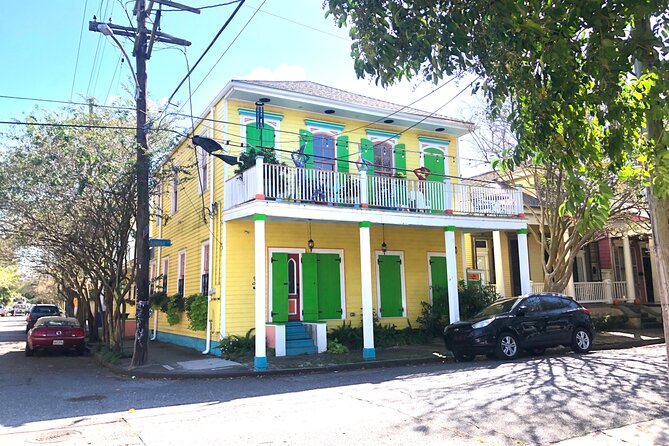
After St. Roch, the tour heads to Treme for another short but meaningful stop. Treme is described as the first free black neighborhood in the United States, and the guide uses that fact to ground the city’s story in real community history.
This is where the tour often feels more personal. You’re not just collecting dates. You’re seeing the city through the lens of the people who helped define its culture and continuity.
If you’ve only spent time in the French Quarter, this stop is a strong “now I get it” moment. It makes New Orleans feel less like a theme and more like a place with deep roots.
The small-group setup: why max 10 feels like a feature, not a sales pitch
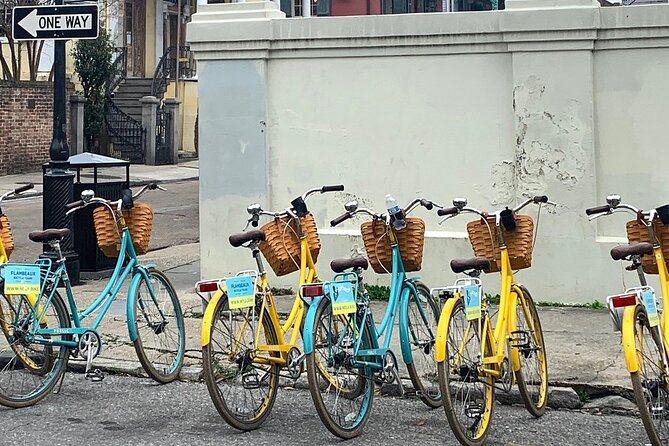
This tour is limited to a maximum of 10 people. I like small groups for two reasons. First, you can hear the guide clearly at stop points. Second, the guide can keep the ride smooth and safe for everyone’s pace.
Many people highlight the way the guide keeps the group moving without rushing. You also get frequent pauses, which helps when you’re doing both riding and listening. Several comments also mention the bikes being comfortable and easy to operate, which reduces the stress if you do not ride regularly.
It’s also a good fit for mixed-age groups, as long as everyone meets the basic requirements. The minimum age is 13, and everyone must be at least 4’11” in height.
Price and value: $55 for bike gear, guidance, and real neighborhood access
At $55 per person for about 3 hours, this is positioned as a budget-friendly way to get local depth without paying for a private tour. The big value comes from what’s included: a rental bike and helmet, bottled water, and a professional guide.
Here’s how I’d size up the value for your trip. If you’re already planning to rent a bike for a morning, the gear cost can eat a chunk of your budget. Add a guide to cover history and neighborhood context, plus the convenience of a planned route with safety built in, and the price starts to make a lot more sense.
This is not a tour where you spend most of the time standing in one place. You’re moving through multiple neighborhoods, so you get both orientation and stories, which is harder to do on your own without cycling confidence.
What you should wear (and what not to)
The tour is strict about safety footwear. Flip-flops are not allowed while riding. Close-toed shoes are the safer choice, and the guidance notes that sandals with a heel strap are a good alternative.
Plan for weather. The experience is described as requiring good weather, so you may want sunscreen even if the morning feels mild. If you’re dealing with typical New Orleans humidity, the short stops help, but you’ll still be active.
Also, wear clothes you can move in. You do not need hiking gear, but you do need comfort for continuous riding.
Who this tour is best for
This works best if you want New Orleans beyond the obvious blocks. If you’re curious about Creole culture evolution, neighborhood identity, and the meaning behind specific sites like St. Roch, you’ll get a lot out of it.
It’s also a good option for first-time visitors who want a guided “map in motion.” The route takes you through the city’s core storylines while giving you practical orientation you can use later when you explore on your own.
Less ideal if you hate bikes, can’t handle steady motion, or are uncomfortable with traffic. The tour calls for a strong physical fitness level, so if you’re recovering from an injury or you’re worried about long stretches on a bike, you may want a different style of tour.
Should you book the New Orleans Heart of the City Bicycle Tour?
I think you should book it if your goal is to understand New Orleans, not just photograph it. The included bike and helmet, the small group size, and the strong guide focus (including praise for Eric’s storytelling and humor) are the kind of combo that makes a half-day feel like a real experience.
Skip it if biking in heat stresses you out or if you don’t meet the height requirement and fitness expectations. Also, if you’re only interested in the French Quarter’s biggest icons, the farther neighborhood stops might feel less familiar, even though they’re exactly where the city’s story deepens.
If you can ride comfortably and you want culture you can see, this is one of the smartest ways to spend a morning in New Orleans.
FAQ
How long is the New Orleans Heart of the City Bicycle Tour?
It runs for about 3 hours.
How much does the tour cost?
The price is $55.00 per person.
What is included in the price?
The tour includes a professional guide, use of a bicycle and helmet, small-group bike tour, and bottled water.
Where do I meet for the tour?
You meet at 626 N Rampart St, New Orleans, LA 70116.
What time does the tour start?
The start time is 9:30 am.
What are the age and height requirements?
The minimum age is 13, and all participants must be over 4’11”.
Is the tour physically demanding?
It’s intended for travelers with a strong physical fitness level.
What should I wear to ride safely?
Closed-toed shoes are recommended. Flip-flops are not allowed. Sandals with heel straps are acceptable if they are safe for riding.
What is the cancellation policy?
You can cancel for a full refund if you do it up to 24 hours in advance. If you cancel less than 24 hours before the start time, the amount paid is not refunded. The experience requires good weather, and if it’s canceled due to poor weather, you’ll be offered another date or a full refund.
More Tours in New Orleans




More Tour Reviews in New Orleans


More New Orleans Bike Tours
More ways into New Orleans


New Orleans Bike Tours, compared.
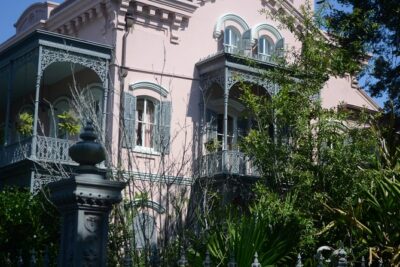 ★ 5.0New Orleans French Quarter and Garden District Bike TourFrom $55410 reviews
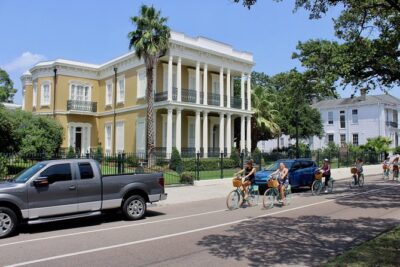 ★ 5.0New Orleans Creole Odyssey Small-Group Bike TourFrom $55268 reviews
 ★ 5.0Creole New Orleans Electric Bike Tour (ages 16 & up)From $89230 reviews
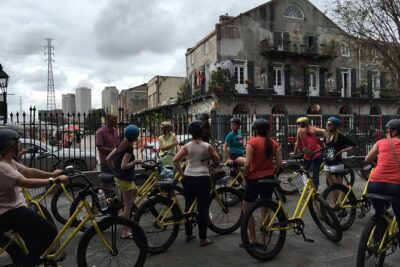 ★ 5.0New Orleans History and Sightseeing Small-Group Bike TourFrom $55215 reviews
 ★ 5.0New Orleans Garden District and Cemetery Bike TourFrom $55187 reviews
 ★ 5.0New Orleans City Bike TourFrom $60162 reviews
 ★ 5.0The Original ‘Creole and Crescent’ Bike TourFrom $5567 reviews
 ★ 5.0Garden District and French Quarter Bike TourFrom $5060 reviews
Browse the lists this tour appears in