
REVIEW · FRENCH QUARTER TOURS
New Orleans: French Quarter Sightseeing Carriage Ride
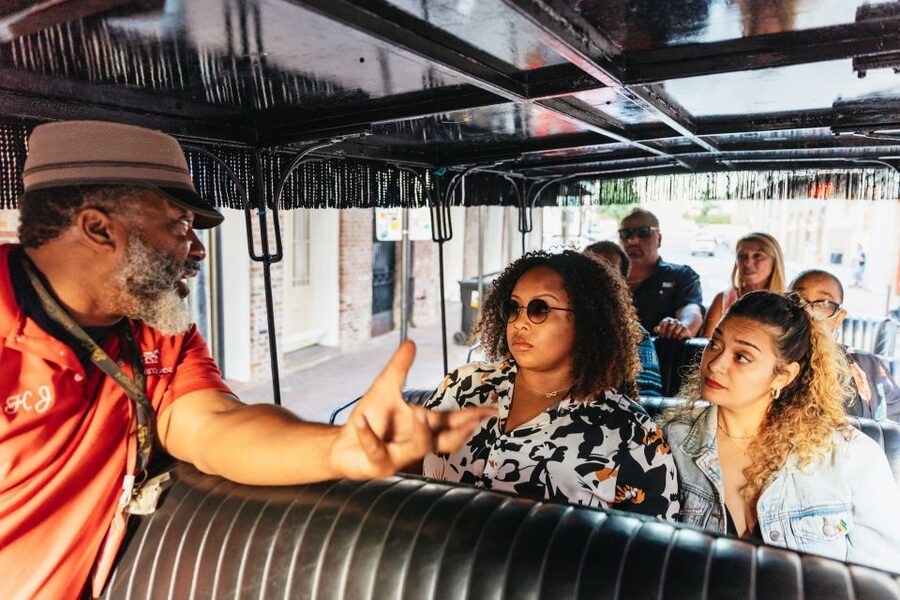
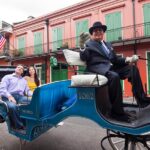
Mule power beats sore feet in the Quarter. This one-hour Royal Carriages ride gets you off your feet while live narration brings the French Quarter into focus as you canter past Jackson Square and other famous landmarks. It is also a smart way to see more than just the postcard streets in less time than walking.
One catch: the audio can be hit-or-miss. If you sit farther back, street noise and the pace of the guide can make it harder to catch every story, so grab a front position when you can.
Key Things I’d Actually Book This For
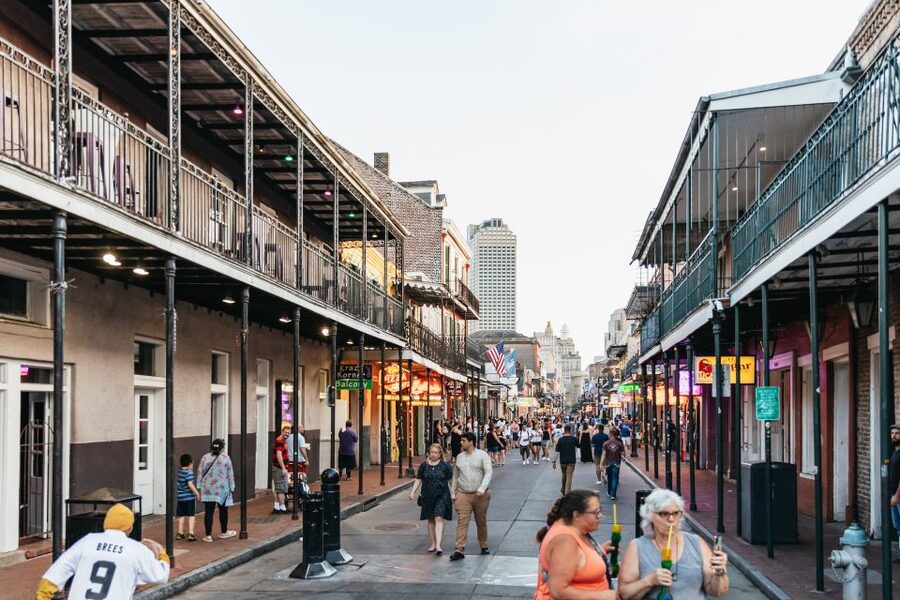
- The mule-and-carriage pace lets you see tight streets without constant stops and starts on foot.
- Licensed local guide narration turns big landmarks like St. Louis Cathedral and the French Market into real context.
- Faubourg Marigny routing gives you architecture and live-music neighborhood energy beyond the Quarter’s main drag.
- Covered seating keeps the ride comfortable in rain or shine.
- A fun, low-effort overview for first-timers who want history plus good atmosphere.
Why Mule-Drawn Carriages Beat Walking in the French Quarter
New Orleans’ French Quarter is gorgeous, but it is also crowded, loud, and full of narrow streets that do not make sightseeing feel easy. This ride solves that problem by getting you seated, then moving at a leisurely pace while you look around. In one hour, you can cover a lot of ground without turning your day into a footrace.
The other real advantage is comfort. Carriages have covered seating, so you are not constantly scrambling for shade or shelter. You still get views out to the landmarks, but without the strain of long stretches of walking. And because the ride is guided, you are not just looking at buildings, you are learning what to notice.
More French Quarter walks and tastings near the same streets



Meeting at Jackson Square, Then Rolling Past the Big Icons
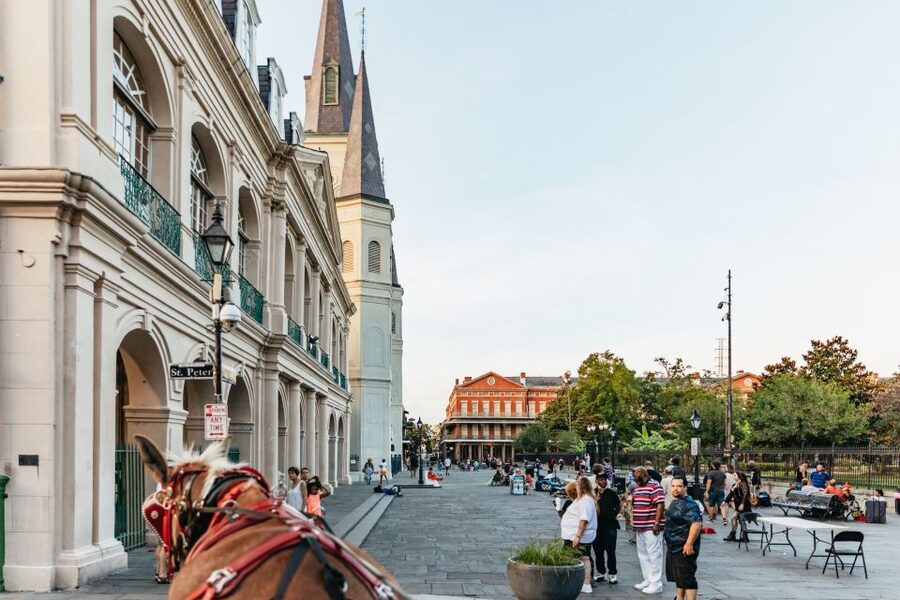
You meet at the red umbrella in front of Jackson Square, usually near St Peter Street. Royal Carriages staff wear red shirts, which helps you spot them fast, especially if you arrive right at the start time.
If you are the sort of person who likes to photograph without stress, plan to be early. The meeting area can shift during festivals, and some streets may close due to parades or events. Also, this tour is designed for the streets of the Quarter, so they do not want luggage or large bags. Light is better here, both for you and for everyone loading in.
A small practical tip: this is a ride, so you will enjoy it more if you show up ready to sit comfortably. You may bring your own beverage on board, but food and drinks are not included.
St. Louis Cathedral, Jackson Square, Napoleon House: The Story Starts Here
Your route begins with the key French Quarter landmarks that shape the whole neighborhood’s identity. You will pass St. Louis Cathedral, then roll by Jackson Square for a classic skyline moment and a sense of place. This is the kind of stop where the guide’s commentary really matters, because it is easy to admire the buildings without understanding why they matter.
From there, you head past Napoleon House, a stop that tends to anchor people’s understanding of the Quarter’s mix of history, legend, and everyday city life. The point of seeing these sites by carriage is that you can watch the street layout and building frontages while someone explains the background. You get the visual big picture, not just a list of famous names.
If you are sensitive to noise, you might prefer sitting closer to the front. Several guides have strong comedic timing and storytelling style, and it is easier to catch the punchlines and details when you are nearer the front.
French Market and Bourbon Street, Without Getting Stuck in the Crowd
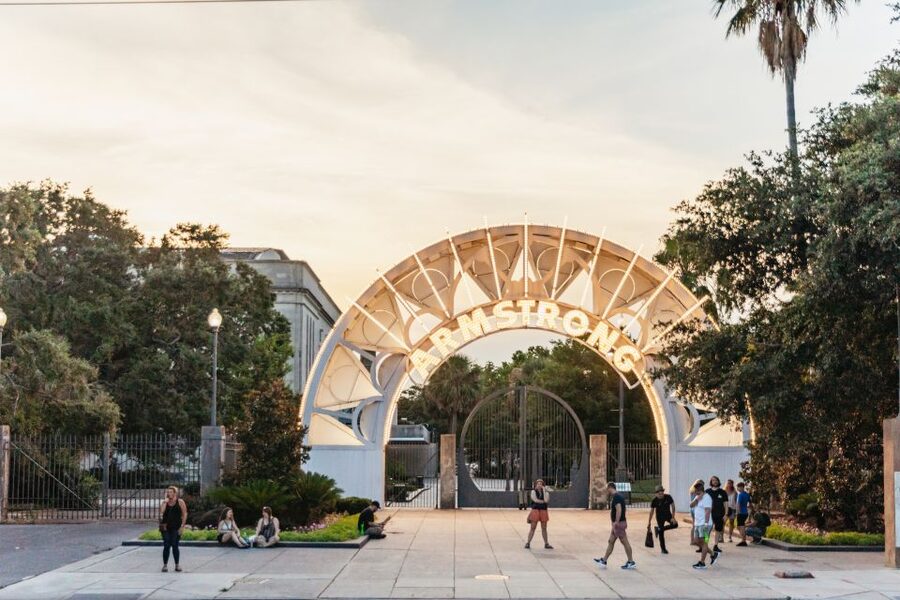
The French Market is one of those places that can be fun even if you only glance at it from the street. Riding past it keeps the vibe moving while you absorb what the space is known for and how it fits into the Quarter’s rhythms.
Then comes Bourbon Street, the street most people think they already know. From a carriage, you experience it differently. You are not stuck in ankle-to-ankle crowds or forced into constant dodging. Instead, you can look at the street energy and the building edges, then move on while the guide provides context that makes the chaos feel less random.
This is where I think the carriage concept really shines. You get the atmosphere, then you get out before it drains your energy. If your goal is a guided overview, this beats trying to do the Quarter all at once on foot.
Faubourg Marigny: Architecture and Live-Music Neighborhood Energy
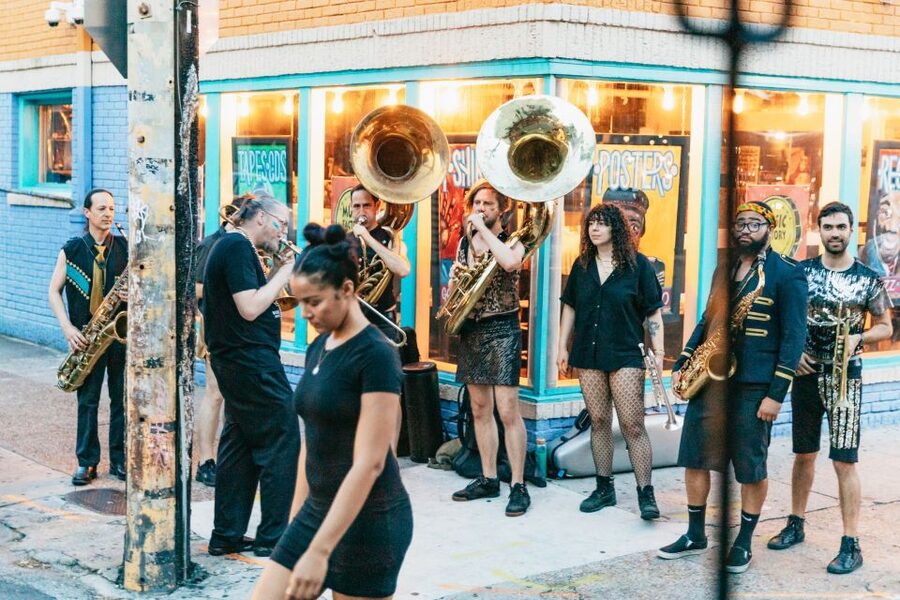
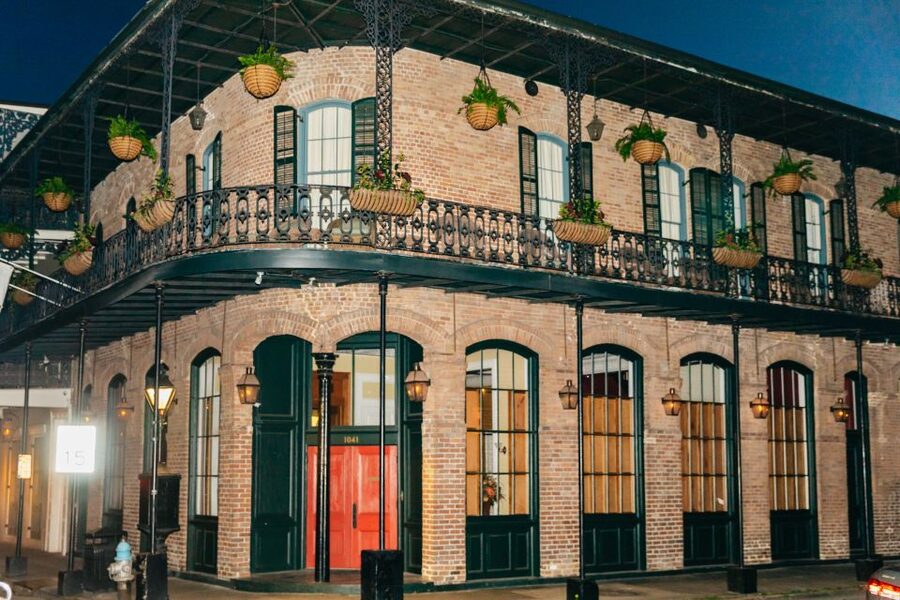
The second half shifts into Faubourg Marigny, which is where a lot of people start to feel like they are seeing New Orleans as more than one postcard neighborhood. You do not just pass through. There is a guided segment here, with commentary that connects the architecture and the live-music district feel.
Marigny’s appeal is the way it changes the tone after the dense, headline-heavy French Quarter. The buildings and streets tend to feel more lived-in, and you can sense why locals treat this area differently. It is also a useful contrast stop, because it helps you understand how New Orleans neighborhoods share history while still having their own personality.
If you love neighborhoods with music and personality, this is the portion most likely to surprise you. If you only wanted the famous Quarter sights, you might feel tempted to rush past this part, but it is worth paying attention.
More New Orleans city tours for the bigger picture





The Guide Makes or Breaks It, and Royal Carriages Focuses on Story
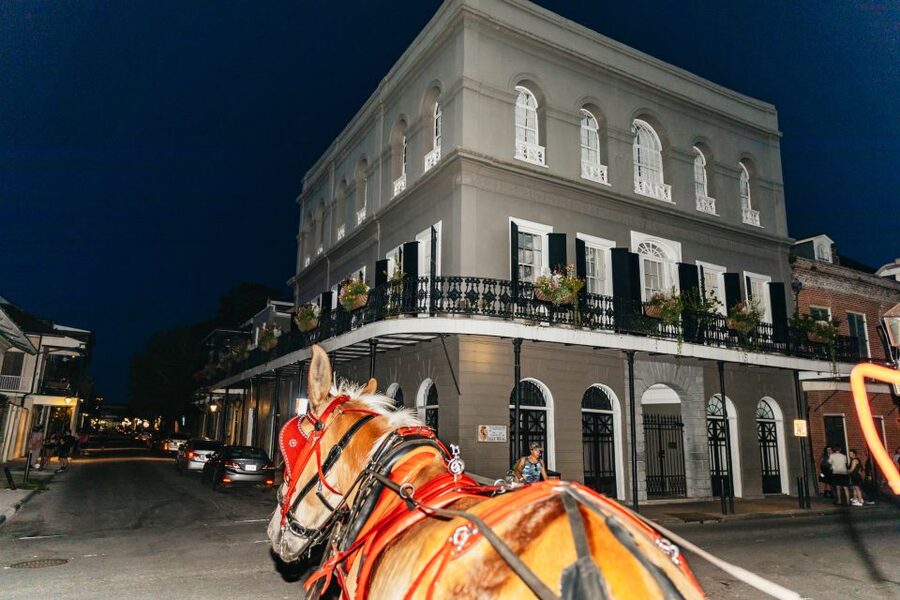
This tour lives and dies on the narration. You get a licensed city guide delivering entertaining historical anecdotes as the carriage glides between landmarks. Many guides lean into humor, and names that have shown up include Astrid, Mike, Glen, Tony, Larry, and Amy, among others.
A standout theme from the guide styles is practical storytelling. You are not just hearing dates. You hear how the city grew, how certain buildings became anchors, and why specific areas became associated with certain traditions. One guide mentioned by name, Mike, combined education with a very funny delivery, which is a strong match for this setting. Another named guide, Glen, was praised for deep French Quarter expertise that makes streets feel navigable even before you explore further on your own.
There is also a big focus on the human side of the city. You may find the stories about the people and places that shaped New Orleans make it feel less like a museum and more like a living culture.
Mule Comfort, Seating Choices, and the Little Details That Matter
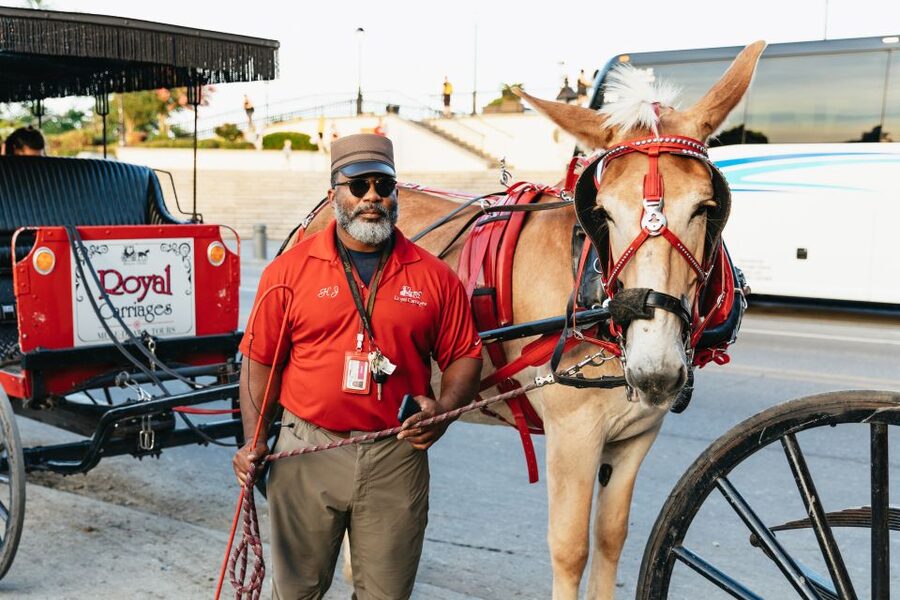
You are riding behind a mule, not a machine. The experience feels gentler because it is old-school transportation, with scheduled breaks that give the mule time to rest. That matters for ride quality, because it affects the pace and how steady the experience feels.
Mule personalities also become part of the fun. People have shared mule names like Ginger, Irma, Benson, Fiona, Pearl, Beignet, Desire, and Norma. That is not just cute trivia. It signals that this company treats the animals with care and personality, and it adds a lighter, more memorable tone to the whole outing.
Now for the practical side. If you want the best chance of hearing clearly, aim for the front portion of the carriage rather than the back row. One tour note pointed out that traffic and street noise can drown out the guide, especially from farther back. Sitting nearer to the guide makes the narration easier to follow and helps you catch more of the jokes and historical details.
Price and Timing: Is $65 Worth One Hour?
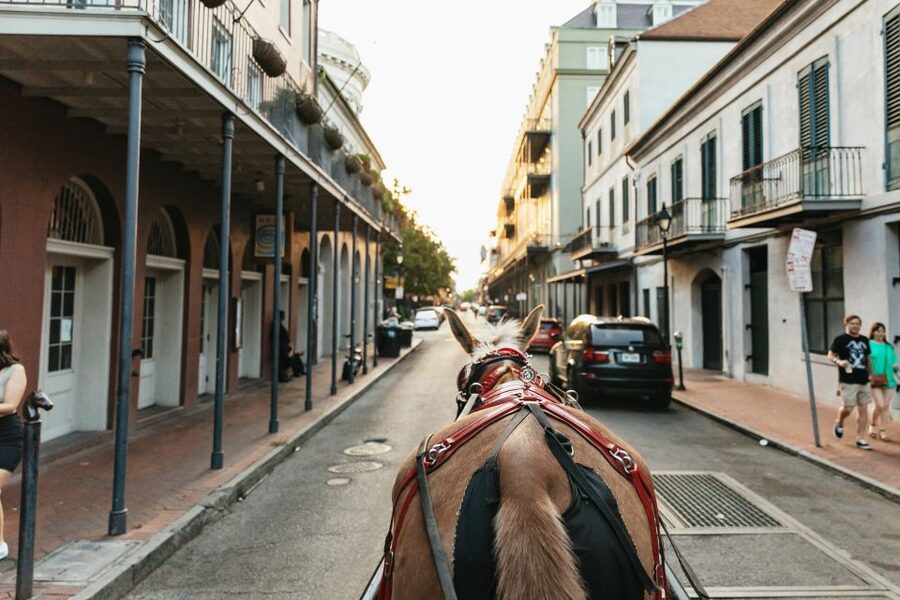
At $65 per person for a one-hour ride, this is not an impulse bargain. But it is also not just a photo stop. You are paying for a guided tour with a licensed local presenter, plus a transportation format that keeps you off crowded sidewalks.
To judge value, I think about three things:
1) Time saved: You cover multiple major sights in a compact window.
2) Context delivered: The guide helps you see what you would otherwise miss if you were just walking and guessing.
3) Effort reduced: You avoid the physical grind of crossing the Quarter and tracing every street.
If you are short on time or walking leaves you tired fast, the price starts to feel more reasonable. If you are the type who loves long, independent wandering with no structure, you might decide to skip this and build a self-guided loop. But if you want the Quarter and Marigny overview with minimal stress, $65 for one hour can be a solid trade.
Practical Tips Before You Go (So the Tour Feels Easy)
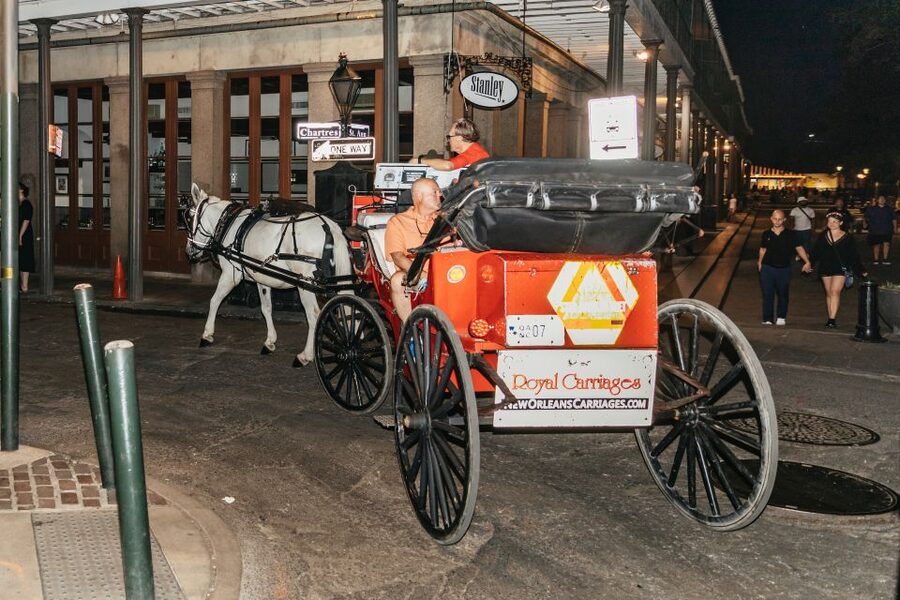
Here’s how to set yourself up for a smooth ride:
- Arrive a bit early so you are not racing to find the red umbrella, especially when festivals shift the area.
- Leave luggage at home. Large bags and luggage are not allowed.
- Bring a beverage if you want one. Food and drinks are not included.
- If you are sensitive to noise, choose seating closer to the front to catch more narration.
- Expect street closures around parades and festivals, since routes can change.
Also, a quick note about what counts as allowed companions. Children age 3 and under can ride for free as lap children. Small pets under 20 lbs are welcome. Wheelchairs can be locked up at the Jackson Square meeting point.
Should You Book This French Quarter and Marigny Carriage Ride?
I’d book this if you want a guided overview that mixes famous landmarks with a real neighborhood contrast in Faubourg Marigny. It is especially good for first-time visitors, people who want history without turning the day into a hike, and anyone who wants to see Bourbon Street and the French Market without wading through crowds for hours.
Skip it or consider alternatives if you expect lots of stops for photos or a big walking component. This is a ride, and you are mainly seeing from the carriage route. Also, if you are counting on perfect audio from the back rows, plan to sit closer to where the guide’s voice carries.
If you like your tours with humor and storytelling, and you want to get off your feet while still learning what you are looking at, this is a strong pick.
FAQ
What is the duration of the New Orleans French Quarter sightseeing carriage ride?
The ride lasts 1 hour.
How much does the tour cost?
The price is $65 per person.
Where do I meet for the tour?
Meet at the red umbrella in front of Jackson Square, normally near St Peter Street. It can change during festivals.
Does the tour include hotel pickup or drop-off?
No, hotel pickup and drop-off are not included.
Is the French Quarter guide included?
Yes. The French Quarter part is guided.
Is there a guided tour of Faubourg Marigny?
Yes, the Faubourg Marigny guided tour is included if you choose that option.
Are carriages covered, and do tours run in the rain?
Yes, the carriages have covered seating and tours operate in rain or shine.
Are food and drinks included?
No. Food and drinks are not included, but you may bring your own beverage on board.
Are there any restrictions on luggage or bags?
Yes, luggage or large bags are not allowed.
Are children or pets allowed?
Children 3 and under are free as lap children. Small pets under 20 lbs are welcome.
More New Orleans Carriage Tours in New Orleans

More New Orleans City Tours

More French Quarter Tours


More ways into New Orleans


French Quarter Tours, compared.
 ★ 5.0New Orleans Food Walking Tour of the French Quarter with Small-Group OptionFrom $756,118 reviews
 ★ 4.5New Orleans French Quarter, Voodoo and Culture Walking TourFrom $272,961 reviews
 ★ 5.0French Quarter Historical Sights and Stories Walking TourFrom $352,724 reviews
 ★ 4.5Ghost and Vampire Walking Tour Of The French QuarterFrom $212,406 reviews
 ★ 4.5New Orleans City Tour: French Quarter, Garden District & CemeteryFrom $402,209 reviews
 ★ 4.7French Quarter Walking and Storytelling TourFrom $351,251 reviews
 ★ 5.0New Orleans French Quarter Food Tour: Cajun, Creole and CultureFrom $811,246 reviews
 ★ 5.0New Orleans French Quarter and More Carriage RideFrom $651,141 reviews
Browse the lists this tour appears in