

REVIEW · NEW ORLEANS CITY TOURS
Soul of New Orleans City Tour:Enslavement to modern culture
New Orleans hits you hardest when you stop seeing it as one big postcard. This city tour follows a serious theme, enslavement to modern culture, and backs it up with real stops across neighborhoods like Congo Square, Treme, and the Lower Ninth Ward.
I especially like how it mixes art with context, so the murals and public artwork do not just look cool, they connect to people, memory, and identity. I also like that you learn from a live guide, with history tied to specific figures and events, including Solomon Northrup and the legacy of Plessy vs. Ferguson.
The main drawback is the subject matter can feel emotional, especially around civil rights and the aftermath of Hurricane Katrina. If you prefer a light, purely scenic tour, this may feel heavy.
Key Points to Know Before You Go

- A bus tour with real neighborhood stops, not just the French Quarter highlights
- Art plus history, with murals and artwork used as entry points into deeper stories
- Strong emphasis on African-American history, including Treme and the Lower Ninth Ward
- Guides who balance humor and gravity, often called out for being entertaining and serious when it matters
- A single 150-minute route that still covers markets, museums, architecture, and cemeteries
Starting at 414 Canal St, Ready to Move Around the City

This tour meets at the parking lot at 414 Canal St, near the Jazz Gumbo Landmark, about a block from Caesars Casino. It is a practical meeting spot if you are already in the Canal Street area and planning to park or ride in from downtown.
From there, you will be transported across town by bus, which matters because New Orleans is spread out in a way that can make “hit every neighborhood” day plans stressful. Instead, you get a guided ride plus enough street-level time to actually make sense of what you are seeing.
Also note the timing: it runs about 150 minutes. That is just long enough to feel like you covered meaningful ground, but not long enough to linger forever at any single site.
More New Orleans city tours for the bigger picture



What the Enslavement to Modern Culture Theme Really Does
The tour title is not just marketing. The route is built around how oppression, resistance, and cultural creation connect across time in New Orleans. You are not only looking at old buildings or listening to dates. You are tracing themes that show up again and again, in music, neighborhoods, public memory, and civil rights battles.
In plain terms, you will see how stories of enslavement and racial injustice shaped:
- Creole life and community
- Legal and political conflicts tied to segregation
- The lived experiences of people whose freedom was fought for, like those connected to Solomon Northrup
- The way communities preserved culture and built new identity, even under pressure
This framing is why the tour can feel both educational and uncomfortable. You come away understanding the city as a living place with a past that still shows up in real spaces.
Murals, Art, and the City as a Classroom

One of the best parts is that mural viewing and artwork are treated like part of the curriculum, not decoration. New Orleans has a lot of public art, and this tour uses it to point you toward local identity and historical memory.
If you like walking around cities with your eyes open for symbolism, you will enjoy this format. The guide’s job is to connect what you are seeing now to what those images represent, so you start noticing patterns you might otherwise miss.
A practical tip: wear something comfortable for short walks, because the tour is not just sitting and staring out the window. Even with bus transport, you will move between city sites.
Congo Square and the Jazz Beginning You Can Actually Picture
The tour includes Congo Square, described as the birthplace of Jazz. That is a huge claim, and it is exactly why the guide matters. You will not just hear a label. You should expect a story that connects music to community spaces, cultural survival, and the ways people shaped culture even when the system tried to control their lives.
Congo Square also sets the tone for what comes next. It helps you see that New Orleans is not only about celebrations. The same neighborhoods that created music also carried hardship, and the culture is inseparable from the struggle.
This is one of those stops where even if you think you already know New Orleans jazz history, you will likely leave with a clearer sense of why this place matters and how it connects to other chapters on the route.
Treme, Musicians Village, and a Neighborhood that Held Its Ground

You will spend time in Treme, highlighted as the oldest African-American neighborhood in New Orleans. Treme is one of those places where you can feel history in the street layout, the buildings, and the way people talk about the community.
Expect the tour to connect Treme to cultural development and the continuing influence of residents who built life there across generations. It is not framed as a museum exhibit. It is presented as an active community with a deep lineage.
The tour also mentions Musicians Village, which fits naturally into the Treme story. Musicians Village is a reminder that culture is not only something you listen to. It is something people create and sustain where they live.
From the reviews, this part of the tour lands well because guides often bring both facts and lived perspective, including the kind of humor that makes hard topics easier to follow. Guides named Dennis and Jeremy, also known as Jay, are specifically praised for that balance.
You can also read our reviews of more city tours in New Orleans

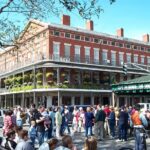

Antebellum Slave Quarters and Why the Tour Includes the Hard Parts
The itinerary includes Antebellum Slave Quarters. This is one of the stops that can make the tour feel heavier than a typical sightseeing loop.
But it is also one of the most valuable, because it turns New Orleans from a vibe into an accountability lesson. You get a chance to look directly at how slavery shaped the physical city and the daily life structures people were forced into.
If you go in expecting only music and architecture, this stop is the reality check. If you are open to learning how the city’s culture formed under brutal conditions, you will understand why the tour theme matters.
This is also where the guide’s delivery becomes important. The best tours here do not sensationalize. They explain, they contextualize, and they connect the past to the present without turning human suffering into a prop.
Civil Rights Trail Stops, Plessy vs. Ferguson, and Legal History You Can Feel

The tour references major legal and historical anchors, including Plessy vs. Ferguson and the broader Civil Rights Trail. This matters because segregation was not only a social problem. It was designed through law and reinforced through institutions.
You should expect the guide to connect these legal conflicts to what people faced on the ground in New Orleans. That is what makes the history feel real instead of academic.
You will also see other themed stops tied to the civil rights era and its aftermath. One review called out visiting a school and museum connected to Dr. Leona Tate, and the moment was described as emotional and meaningful, especially connected to desegregation. That kind of stop is where the tour’s title becomes tangible, because it shows how people fought for dignity and access, not just abstract ideals.
Lower Ninth Ward and Hurricane Katrina Aftermath, With a Focus on Memory
The tour includes the Lower Ninth Ward and references areas connected to Hurricane Katrina’s aftermath. This section is not meant to be a quick photo stop. It is included because disaster and neglect became part of the modern story of justice in New Orleans.
From the reviews, the Lower Ninth Ward stop hits hard in a specific way. One standout comment praised a guide for honoring the survival and commitment of people tied to the neighborhood across generations, and for discussing false promises and neglect.
I recommend you prepare yourself mentally. You will likely walk away thinking about responsibility, what recovery looks like, and how memory is kept when systems fail.
Also, keep your expectations realistic for time. It is a 150-minute tour. You will cover a lot, but you cannot treat the Lower Ninth Ward as a full-day deep research trip. Think of it as an informed first look that points you toward what to explore later.
Cemeteries, Markets, and Museums, Plus the City’s Architecture

This tour does more than historical sites. It also includes stops that help you understand the city’s daily fabric: markets, museums, and architecture, plus historic cemeteries.
That mix is smart for two reasons:
- Cemeteries and architecture show you how people expressed belief, status, and community over time.
- Museums and markets show you how culture and identity live in the present, not just in the past.
In a short tour window, this combination helps you build a mental map. You stop to learn why certain neighborhoods and buildings mattered, then you move on to another site with a different lens.
A practical note: because this is a bus-based format, you might want to keep your questions ready. If you see something you want to understand more, jot it down, and ask the guide when there is a moment.
Price and Value: What $55 Buys You in 150 Minutes
At $55 per person for about 150 minutes, this tour is priced for real-guidance value. The key is that entrance fees are included, and you are getting a live guide who stitches multiple themes into one route.
Food and drinks are not included, so you should plan to eat before or after. That is normal for a guided city tour, but it matters because you do not want to lose focus while hunger distracts you.
Where the value gets strong is the guide quality. Multiple reviews praise guides by name, especially Dennis and Jay/Jeremy, with comments that highlight both education and entertainment. When a guide clearly knows how to teach without turning the day into a lecture, $55 can feel like a bargain because you are buying interpretation, not only transportation.
If you already know New Orleans well and you only want surface-level sights, this might feel like an opinionated route. If you want a guided framework for understanding the city beyond the French Quarter, it is a good fit.
Logistics, Weather, and How to Prepare for a Better Tour
The tour runs rain or shine, so pack like you mean it. A light rain layer, grip-friendly shoes, and a small bag you can keep close will make the stops more comfortable.
Also, this is the kind of tour where you might encounter heavier moments. You will see stories connected to enslavement, civil rights, and disaster aftermath. If you tend to bounce off emotion, you might find parts of the day tough. If you prefer honest history and clear context, you will probably feel grateful you chose this format.
One more practical point: a review noted a wish for more stops and more time off the bus. That is a fair consideration. Since the route covers a lot, you get breadth, not deep immersion at every single stop.
Should You Book Soul of New Orleans City Tour?
I think you should book this tour if you want a guided way to understand New Orleans as a city with moral weight and cultural power. It is ideal when you care about the stories behind the music, the neighborhoods behind the charm, and the legal and civil rights history behind modern life.
You might skip it if your ideal day is mostly scenic, upbeat, and light on serious themes. It is not that kind of tour.
If you do book, go in with the right mindset: this is a short, focused, theme-driven route that uses art, neighborhoods, and memorial places to connect enslavement to modern culture. And if you get one of the guides praised by name in past tours, you are likely in for a ride that is both clear and human.
FAQ
How much does the Soul of New Orleans City Tour cost?
The price is $55 per person.
How long is the tour?
The duration is 150 minutes.
Where do we meet for the tour?
The meeting point is the parking lot at 414 Canal St, New Orleans, LA 70130. It is by the Jazz Gumbo Landmark, about a block down from Caesars Casino.
Is the tour guided by a live person?
Yes. It is a live tour with an English-speaking guide.
Do I need to bring food or drinks?
Food and drinks are not included.
Will the tour run in bad weather?
Yes. The tour takes place rain or shine.
What is included in the ticket price?
Entrance fees and the guide are included.
What history and sites are covered?
Expect stops tied to Creole history, Plessy vs. Ferguson, Solomon Northrup, historic cemeteries, Congo Square, the birthplace of Jazz, Antebellum Slave Quarters, Musicians Village, Treme, the Lower Ninth Ward, Hurricane Katrina aftermath areas, and the Civil Rights Trail.
Is free cancellation available?
Yes. You can cancel up to 24 hours in advance for a full refund.
Is pay later available?
Yes. You can reserve now and pay later.
More Tours in New Orleans





More Tour Reviews in New Orleans


More New Orleans City Tours


More ways into New Orleans


New Orleans City Tours, compared.
 ★ 4.5New Orleans City Sightseeing Hop-On Hop-Off Bus TourFrom $514,943 reviews
 ★ 5.0New Orleans Sightseeing City TourFrom $403,038 reviews
 ★ 4.5City Tour of New Orleans with PickupFrom $452,407 reviews
 ★ 4.5New Orleans City Tour: French Quarter, Garden District & CemeteryFrom $402,209 reviews
 ★ 4.8Sightseeing Bus TourFrom $471,565 reviews
 ★ 5.0New Orleans Small-Group City Tour by Van1,077 reviews
 ★ 4.5City Sightseeing New Orleans HOHO Bus Tour & Bookable ExtrasFrom $511,077 reviews
 ★ 4.7French Quarter Sightseeing Carriage RideFrom $65644 reviews
Browse the lists this tour appears in