

REVIEW · NEW ORLEANS CITY TOURS
New Orleans Sightseeing Flight
New Orleans looks different when you see it from above. This private four-seat flight lets you pick your timing and ride along with an FAA-certified pilot who points out the city’s key sights.
I love the FAA-certified pilot and the live commentary that turns landmarks into something you actually understand. I also love that you can request what to focus on, so your aerial route can feel less like a checklist and more like your New Orleans story.
My one big heads-up is comfort: there is no air conditioning (especially in summer), and you are in a small airplane with weather and temperature doing most of the work.
Key Things That Make This Flight Worth Your Time

- Private, four-seat experience with your own group, so the flight feels personal instead of crowded
- Live pilot narration that connects what you see to real geography and place names
- French Quarter views from the air, including Jackson Square and cemetery areas
- Sports and skyline perspective, flying right over the Mercedes-Benz Superdome and the Smoothie King Center
- Mississippi-to-bayou route, with a look at the Port of New Orleans and the wetlands system beyond the city
- Short booking window, average booking is about 19 days in advance, so earlier planning helps
Entering the New Orleans Sky: From Lakefront Airport to the City’s Edges
This flight starts and ends at Lakefront Airport. You meet at 6575 Stars and Stripes Blvd, New Orleans, LA 70126, and your flight begins once the plane is started up and taxiing gets rolling. That matters because flight length is defined from engine start to engine shutdown, so the time feels real, not just “up in the air.”
The best part is that you get to choose a start time and duration that fit your day. That flexibility is more than convenience. New Orleans changes fast depending on the light and the weather, so being able to schedule when conditions feel best helps you get better views across the river, the downtown core, and out toward the wetlands.
And since it is a private tour with a max of 3 people, you are not waiting for a big group to show up. You are simply showing up with your small group, signing a safety waiver, and heading out.
More New Orleans city tours for the bigger picture



The Pilot and Flight Setup: What You Actually Get (and What It Feels Like)

This is not a headset-only sightseeing ride. Your pilot is a professional commercial pilot certified by the FAA, with 20,000 hours of combined experience. You also get live commentary, and the crew provides aviation headsets, plus one new microphone cover per passenger.
In a small airplane, sound quality and clarity matter. Live narration helps you keep up with what you are looking at, and it also makes the flight more than a “photo pass.” You learn why places are placed where they are, like how the city sits beside wetlands and how the Mississippi shapes what happens next.
There are practical limits though. Food and drinks are not allowed in the aircraft, there are no restrooms on board, and you should pack light since no large bags are allowed. If you like to bring a full day bag, this is not the flight for that habit.
French Quarter From Above: Jackson Square and the City’s Side Streets
From the air, the French Quarter becomes less about walking and more about geometry. You get flyover views that include Jackson Square and the cemeteries that sit like quiet markers around the neighborhood.
Why this is worth it: from street level, it is easy to get “lost in the mood.” From the sky, you start seeing the Quarter’s boundaries and how it relates to the river. You also get a clean look at how the city grid shifts around historic areas.
A drawback to expect, depending on lighting and cloud cover: you may have moments where the Quarter looks great, then you get a slightly hazy patch. Quick changes like that are normal in flight. The good news is the pilot can guide your attention in real time, so you still come away with recognizable landmarks.
Superdome and Downtown Edges: Seeing New Orleans’ Big Anchors

Next comes the downtown layer, including the Mercedes-Benz Superdome and the neighboring Smoothie King Center. This part of the flight is satisfying if you like stadium architecture, city planning, or just seeing how big venues fit inside a dense urban fabric.
From above, it clicks. Stadiums do not look like random shapes when you can see the surrounding road patterns and the way the downtown core stretches outward. You also get context for the Central Business District, instead of only feeling its traffic level when you are on the ground.
If you are visiting for a game weekend or you are a sports fan, this is the fastest way to connect the dots. You get the “where am I in the city?” answer instantly.
Following the Mississippi: The Crescent City Makes Geographic Sense

One of the coolest ways to understand New Orleans is to watch the river do its job. You will fly along the Mississippi as it winds through the city, and that is where the nickname starts feeling real. It is not just branding. The curve in the river relates to the way the city developed and how different neighborhoods line up with the water.
From your seat, the crescent pattern is usually the big “aha.” You can point your eyes and connect neighborhoods to the river bend without needing a map that fights you. And because the pilot shares facts and histories throughout the flight, you do not have to guess what you are seeing.
This part also helps with orientation for the rest of your trip. After an aerial pass, walking around later feels easier, because your mind already has the route in place.




Port of New Orleans to Wetlands: Urban Meets Cajun Country

After you have taken in the city’s major markers, the route shifts away from the built-up core. You can expect to see the Port of New Orleans, then a cut toward an enormous, integrated bayou system fed by the Mississippi River.
This is the contrast segment. New Orleans can feel like a single mood from the ground, but the air makes the geography obvious: city lines stop, water takes over, and the wetlands begin to shape everything. You may also see wildlife areas and learn about Cajun communities connected to these landscapes.
For many people, this is the part they remember most, because it feels like New Orleans stops being only a city and becomes a region. The pilot’s narration helps connect the dots between the skyline and what spreads out beyond it.
30 vs 45 Minutes: Choose the Right Flight Length for Your Style

The flight runs about 30 to 45 minutes. If you are nervous about flying, the shorter option can feel like the “safer bet.” But if you are chasing the most satisfying sweep of landmarks, I think the 45-minute choice makes the experience easier to savor.
Here is a practical way to decide:
- Pick 30 minutes if you want a highlight reel and you are tight on time.
- Pick 45 minutes if you want more chances for clearer views across multiple areas and less feeling like the plane is always rushing the next moment.
Also, remember that flight time includes taxi time and runway time. So even the “short” version is still a true time commitment, not just a quick hop.
Comfort and Weather Reality: Heat, Motion Sickness, and Small-Plane Limits

This flight is rewarding, but you should go in knowing it is a small airplane. Summer Louisiana can be hot, and the aircraft does not have air conditioning in summer months. Dress code is weather dependent, so plan for real conditions, not hopeful forecasts.
If you get motion sickness easily, this is a tough category. It is explicitly not recommended for people prone to motion sickness, and refunds are not provided for those situations. If you are even on the fence, talk to your doctor beforehand and consider whether this kind of ride is worth the risk for you.
You should also note a few small but important boundaries:
- No large bags, only small purses and bags
- No food or drinks on board
- No restrooms on board
- Photo ID is required at arrival
- Weights must be provided at booking, and there are limits (450 lbs combined and 300 lbs per passenger)
One more comfort note based on real-world operations: on a day with an aircraft power issue, the process can include a jump-start and a wait while the plane is made ready. It was handled safely and quickly, but it still meant sitting in the aircraft in hot weather. That is not something you can eliminate, so building a heat-tolerant plan helps you handle whatever day you get.
Making It Yours: Flexible Sights and Private Group Dynamics
This is marketed as a flexible flight, and in practice that flexibility is part of the value. You can request certain sights, and the pilot points things out during the flight based on what you want to prioritize.
Because the group is small, your pilot can tailor attention. If someone in your party is into sports venues, you can lean that way. If your group is more about the river and the wetlands, you can put that focus on the route. With a big group tour, you do not get that control.
If you are celebrating something, this setup often feels like a special moment. The private format helps it feel like an event, not just a service. For birthdays and other occasions, it is easy to turn a 30 to 45 minute flight into a memory.
And yes, it is also a practical gift for people who do not want a full day of sightseeing.
FAQ
FAQ
How long is the sightseeing flight?
It typically lasts about 30 to 45 minutes, depending on your selected duration.
Where do we meet for the flight?
The meeting point is 6575 Stars and Stripes Blvd, New Orleans, LA 70126. The activity also ends back at that same meeting point.
Do I need to confirm the flight time before I go?
Yes. You must call the supplier 12 hours in advance to confirm your flight time.
Is the airplane air-conditioned?
There is no air conditioning in the summer months, and the dress code is weather dependent.
Are there special rules for minors?
Minors must be accompanied by an adult. Children age 2 and younger are lap children. Children under 5 are required to sit in a DOT approved car seat that you must provide, since no car seat is available.
Is there food, drinks, or a restroom on board?
Food and drinks are not allowed on the aircraft, and there are no restrooms on board.
Should You Book This New Orleans Sightseeing Flight?
If you want quick, high-impact views of New Orleans, this is a strong pick. The bird’s-eye perspective of the French Quarter, the Mississippi, the Superdome, and the transition into wetlands is exactly the kind of overview that makes your ground time afterward feel easier. I also like the value logic here: you are paying for a private, narrated flight with a highly experienced, FAA-certified pilot, plus headsets and live commentary.
Book it if:
- you want landmark views without long drives
- you like learning as you look
- you are planning a special occasion and want something memorable in under an hour
Skip it or rethink it if:
- heat discomfort is a deal-breaker for you, since there is no air conditioning in summer
- you are prone to motion sickness
- you need food, drinks, or a restroom during the ride
If you do book, I suggest planning for warm conditions, bringing a light bag, and scheduling the time of day that feels most comfortable for you. That way, the flight stays focused on the views, not on the weather.
More Tour Reviews in New Orleans

More New Orleans City Tours



More ways into New Orleans


New Orleans City Tours, compared.
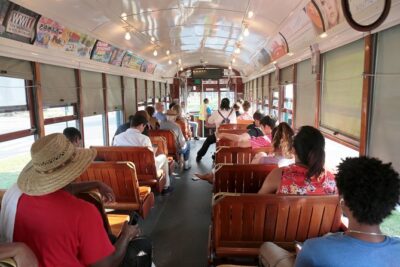 ★ 4.5New Orleans City Sightseeing Hop-On Hop-Off Bus TourFrom $514,943 reviews
 ★ 5.0New Orleans Sightseeing City TourFrom $403,038 reviews
 ★ 4.5City Tour of New Orleans with PickupFrom $452,407 reviews
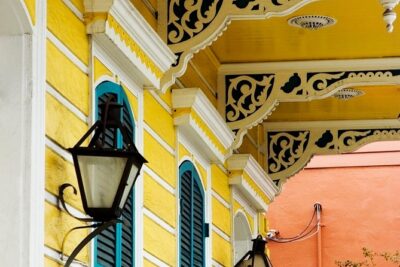 ★ 4.5New Orleans City Tour: French Quarter, Garden District & CemeteryFrom $402,209 reviews
 ★ 4.8Sightseeing Bus TourFrom $471,565 reviews
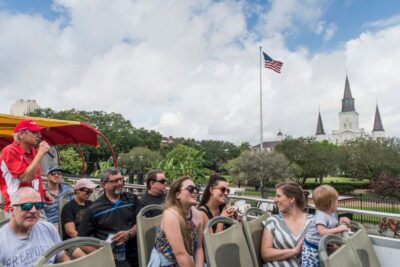 ★ 4.5City Sightseeing New Orleans HOHO Bus Tour & Bookable ExtrasFrom $511,077 reviews
 ★ 5.0New Orleans Small-Group City Tour by Van1,077 reviews
 ★ 4.7French Quarter Sightseeing Carriage RideFrom $65644 reviews
Browse the lists this tour appears in