

REVIEW · NEW ORLEANS PLANTATION TOURS
New Orleans: Laura Plantation Tour with Transportation
A day at Laura Plantation feels like time travel with practical comfort. You get hotel transportation plus a guided walk through Creole-led plantation life, gardens, and key buildings. The big payoff is context, not just scenery, and it is a manageable way to reach a site just outside New Orleans.
I especially like how the tour mixes the graceful parts and the hard parts in one plan. You move through the Laura Plantation House and gardens with a guide, then you also visit the 1840s slave quarters and hear what life and work meant for the enslaved people. One thing to plan for: this tour is not listed as wheelchair friendly, and the day includes walking on uneven grounds.
Key things I’d focus on

- Punctual, easy pickup in New Orleans, with a driver who helps the ride feel like part of the experience
- An organized guided tour that takes you through major stops, including the 1829 Maison de Reprise
- Three distinct gardens (Jardin Français, kitchen potager, and Banana Land grove) that explain how the plantation functioned
- The 1840s slave quarters visit, with stories meant to be faced, not skipped
- Folklore plus restoration history, including the Br’er Rabbit connection and the 2003 fire rebuilding story
From New Orleans pickup to the plantation ride

New Orleans is loud, hot, and full of motion. This tour helps you get out of that rhythm fast, with hotel pickup and drop-off included. The ride is about 70 miles, so you are not just stepping into a quick roadside stop. You are committing to a half-day plus, which matters because Laura Plantation is spread out and meant to be understood in sequence.
On the transportation side, I think you are going to appreciate the tone and pacing. In the feedback I reviewed, the pickup time was punctual, and the coach driver was described as entertaining, which is a real quality-of-life detail on a long day. You also get brief glimpses of other plantation scenery along the route, so the drive does not feel like dead time.
Practical note: bring something light but weather-ready. Louisiana can swing from sun to sudden shade, and your comfort is what keeps you engaged when the guide is telling heavier stories.
More plantation visits from New Orleans, with the history kept in view


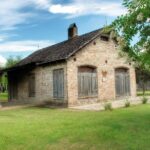
Stepping into Laura Plantation House and the Creole women’s leadership
The tour’s heart is the Laura Plantation House and the people who ran the place. The big theme is that Creole women managed the plantation for more than 60 years. That matters because plantation history is often told through male ownership patterns elsewhere. Here, you get a different lens, and that changes how you understand decisions, daily operations, and household influence.
As you walk through the house on a guided route, the guide’s job is to connect architecture and objects to real routines. You are not just looking at pretty rooms. You are learning how the homestead fit into a functioning sugar operation and what leadership looked like in that context.
I also like that the tour does not try to turn the house into a museum-only experience. It keeps tying the house to what comes next: the gardens, the outbuildings, and ultimately the slave quarters. That structure helps you keep the full picture in your head, instead of losing the meaning after the first stop.
The 12 historic buildings, including the 1829 Maison de Reprise

One reason this tour is worth considering is the sheer number of stops once you arrive. You visit 12 historic buildings that are on the National Register. That is not just a checklist number. It means you get to see how plantation life worked beyond the main house.
A highlight is the 1829 Maison de Reprise. If you have ever wondered how sugar processing and reprocessing fit into plantation economics, this kind of structure is where answers usually show up. Even without turning it into a technical lecture, being able to stand in front of a specific named building helps the story feel concrete.
Other buildings you explore include things like animal barns and overseers’ cottages. Those details matter because they show the plantation as a working landscape, not only a grand facade. You start to understand roles, hierarchy, and the built environment that shaped daily life for everyone on the property.
If you prefer tours where you can keep track of names and functions as you go, this format helps. If you hate constant walking and stopping, you might feel the pace. But with a guide directing the route, it stays orderly.
Three gardens that explain how plantation life worked
After the buildings, the tour shifts into the gardens, and that is a smart change of pace. You will stroll through three: Jardin Français, the kitchen potager, and the Banana Land grove. Each one gives a different clue about how the plantation used space.
Jardin Français usually signals a formal approach to layout and beauty. You get a sense of intentional design, the kind that would support social life and the visible presentation of refinement. The kitchen potager brings you back to food production and practical needs. You can picture planting, harvesting, and the day-to-day rhythm that kept a household operating.
Then there is Banana Land. That grove helps you see agriculture as more than rows in an illustration. You are reminded that plantations depended on specific crops and long-term labor, not just the main sugar narrative.
Gardens can sometimes feel like filler on tours. Here, they work as interpretation tools. They help you connect the homestead to how people lived and worked, and they give you photo opportunities that do not feel like random sightseeing.
The 1840s slave quarters, and the stories you should take seriously

The visit to the 1840s slave quarters is the emotional center of the tour. The guide brings you to the area where enslaved people lived and worked, and you hear stories about their lives. You should expect this part to be direct and heavy. It is not designed to be comfortable, and it should not be treated like a quick photo stop.
Why this matters for value: a plantation tour that skips the enslaved experience gives you an incomplete story. Here, you get that part built into the route. You leave with a better understanding of who carried the labor and how the plantation system shaped bodies, families, and daily survival.
Also, pay attention to how the guide frames the quarters and their place in the larger property. In many plantation sites, the hard spaces are used mainly for shock value. Here, the structure of the day suggests the guide is trying to help you understand meaning and context, not just darkness.
If you tend to find this section hard, plan to pace yourself in the moments between stops. The tour has moving breaks built in, and you will likely need them.
A few more ways to spend the day around New Orleans



Br’er Rabbit at Laura Plantation and the 2003 fire rebuilding story
Laura Plantation has a connection to the famous Br’er Rabbit stories, written there. That folklore link adds a different flavor to the day. It is not just a reminder that plantations were part of literature. It also points to how stories travel through time, and how imagination can be tied to real locations where people lived.
Then the tour turns to a restoration story that makes the site feel real, not frozen in time. You hear about a near-destruction from a 2003 fire and how meticulous reconstruction efforts used materials from antique homes. That detail is worth noting because it changes how you see the buildings now. They are not only historical remnants. They are historical recoveries, shaped by careful rebuilding choices.
This combination, folklore plus restoration, can be grounding. You get to understand how the site is both a memory and a continuing project. It is one more reason why this tour can feel more memorable than a simple walk-around.
Seeing Oak Alley from the route, then enjoying time on your own

You get a small bonus glimpse of the front of Oak Alley Plantation during the trip. You are not switching tours or changing sites. It is a brief look, and it is mainly there to widen the mental map of plantation country outside New Orleans.
Once the guided portion wraps, you get time to explore the grounds at your leisure. You can take photos and visit the gift shop. I like this arrangement because you get to linger where something clicked for you during the tour. If a building, garden, or detail caught your eye, you can spend extra moments there instead of rushing.
Photo tip: plan to shoot during the softer light when you can. Louisiana sun can be unforgiving, and you will probably want your energy for the garden paths and the buildings.
Also, remember that meals and beverages are not included. If you care about comfort, I recommend bringing water and planning a snack strategy before you run out of steam.
Price and what $81 buys you in real terms
At $81 per person, the price is not low, but it does not look unreasonable once you break down what you receive. You are paying for three things that cost money in time and logistics: transportation from New Orleans, a live English guided tour, and entry to the plantation and gardens.
A big part of the value is not having to figure out how to get there yourself. Outside of New Orleans, public transport gets tricky, and time disappears fast. With pickup and drop-off handled, you can focus on the experience.
The other part of value is the guide. The feedback I saw highlighted engagement and strong information. One named guide, Lindie, was specifically praised, and that kind of detail matters. A good guide can make the difference between seeing buildings and actually understanding them. You also get an estimated 390 minutes total time, which gives you a long enough window to cover the main stops without feeling crushed.
So yes, you are paying for comfort and structure. For many people, that is exactly what turns a plantation day from stressful to satisfying.
Who this tour is a great fit for

This is a strong match if you want a guided, full-structure Laura Plantation experience with transport from New Orleans. I think it works especially well for:
- You care about understanding how the plantation functioned, not just viewing homes
- You want the Creole women leadership angle explained
- You are comfortable with a visit to the slave quarters and the stories shared there
- You prefer a plan that runs on time, with pickup and drop-off done for you
It may not be the best fit if you have mobility constraints, since it is not suitable for wheelchair users. It is also a long day at roughly 6.5 hours, so plan your energy.
If you are the type who likes to read later, this tour also gives you names and concepts that make follow-up easier. You will know what you saw and why it matters.
Book it, or pick another style of tour?
I would book this Laura Plantation tour with transportation if you want less stress and more guided meaning. The key reasons are the picky attention to stop sequence, the breadth of buildings and gardens, and the fact that the slave quarters visit is part of the core experience. Add in the practical New Orleans pickup and drop-off, and it becomes a solid value for a day trip that would otherwise require more planning.
I would hesitate if you hate tours with a full schedule and you want lots of free time from the start. This day is structured. You get some leisure time after the guide, but the main portion is guided and focused.
If your priority is comfort, context, and a full Laura Plantation route that covers both beauty and difficult history, this one is a good choice.
FAQ
How long is the Laura Plantation tour with transportation?
The total duration is 390 minutes.
What is included in the price?
The tour includes hotel pickup and drop-off, a guided tour of Laura Plantation, and entry to the plantation and gardens.
Are meals included?
No. Meals and beverages are not included.
What type of transportation do I get from New Orleans?
You get hotel pickup and drop-off, with a scenic ride to the plantation.
What stops and areas are visited during the guided portion?
You visit the Laura Plantation House, explore three gardens (Jardin Français, the kitchen potager, and the Banana Land grove), tour 12 historic buildings including the 1829 Maison de Reprise, and visit the 1840s slave quarters.
Do I get to see anything besides Laura Plantation?
You get a glimpse of the front of Oak Alley Plantation during the trip.
Is the tour guide English?
Yes, the live tour guide is in English.
How does cancellation work?
You can cancel up to 24 hours in advance for a full refund.
Is this tour wheelchair accessible?
No, it is not suitable for wheelchair users.
Is there any flexibility in payment when booking?
Yes, it offers a reserve now and pay later option, so you can book your spot without paying today.
More Tour Reviews in New Orleans





More Laura Plantation Tours in New Orleans

More Plantation Tours from New Orleans


More ways into New Orleans


New Orleans Plantation Tours, compared.
 ★ 5.0Swamp Boat Ride and Oak Alley Plantation Tour from New OrleansFrom $1313,303 reviews
 ★ 4.5Oak Alley Plantation Tour with Transportation from New OrleansFrom $891,747 reviews
 ★ 4.5Whitney Plantation Tour with Transportation from New OrleansFrom $891,351 reviews
 ★ 5.0Laura Creole Plantation Guided TourFrom $321,279 reviews
 ★ 4.5Airboat and Plantations Tour with Gourmet Lunch from New OrleansFrom $2791,246 reviews
 ★ 4.7Bayou Swamp Tour and Oak Alley Plantation TourFrom $1251,147 reviews
 ★ 4.7Oak Alley Plantation & Airboat Swamp Combo TourFrom $160906 reviews
 ★ 4.5Oak Alley Plantation and Large Airboat Swamp Tour from New OrleansFrom $160712 reviews
Browse the lists this tour appears in