

REVIEW · NEW ORLEANS PLANTATION TOURS
New Orleans: Felicity Plantation Guided Tour
Felicity Plantation feels like stepping into a movie set. You get Greek Revival meets Creole architecture in a preserved mid-19th century home, plus a guided look at the sugarcane operation that still runs today. I also like that the tour tackles the estate’s labor history in a direct way, even though one drawback is that it is not suitable for wheelchair users or guests with mobility limitations.
My favorite part is the mix of what you can see and what you learn. You’re not just looking at pretty rooms or riverfront views, you’re hearing how the plantation system worked, what enslaved people endured, and how generations of workers stayed connected to the land after emancipation.
You should plan on a proper walking visit in decent weather. Bring comfortable shoes, and know that the experience is focused on the home and grounds, not on quick photo stops.
Key things that make Felicity stand out

- Working sugarcane farm, still operating with harvest linked to the plantation’s original purpose
- Greek Revival plus Creole influence in a home built between 1844 and 1847
- Labor stories that include enslaved and free workers, not just the architecture
- Film and TV location scenes connected to productions including Skeleton Key and 12 Years a Slave
- Personal guiding, with reports of small groups and even one-on-one history when schedules align
- Grounds you can actually walk, with real farm atmosphere beyond a fenced display area
Why Felicity feels more personal than the big-name stops

Felicity is a sweet spot for people who want plantation history without the mega-tour vibe. It is right along the Mississippi River story, but it does not feel like a theme park. The setting matters here, because this was not built as a backdrop, it was built to run an agricultural operation.
You also benefit from the way the visit is paced. The tour runs about 90 minutes total, and it includes a live guide plus time to walk around and view the grounds. That is the difference between passively watching a house and actively understanding it.
One practical bonus: you are not stuck behind a long ticket line. The experience includes a quick entry process, so you can start focusing on the story faster.
More plantation visits from New Orleans, with the history kept in view
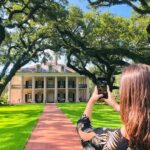
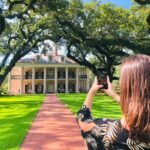
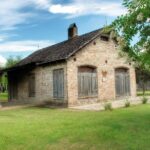
The home’s look: Greek Revival lines with strong Creole character
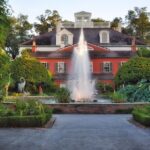
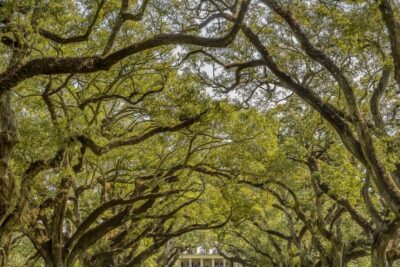
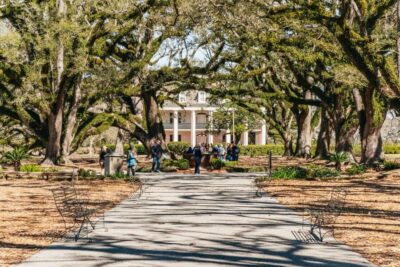
The Felicity main house is a standout along the River Road. Construction dates land between 1844 and 1847, and the result is a blend of Greek Revival style and Creole influence. Even if you do not call yourself an architecture nerd, you can feel what the guide is pointing out: formality up front, cultural adaptation in the details.
This is also the kind of house where the exterior and interior connect to the plantation story. A preserved home like this is not just about beauty, it is about power, labor, and daily life. The better your guide can explain the rooms and transitions, the more the house stops feeling like a postcard.
In one tour report, a couple loved that the furniture and renovations felt true to the time period. That is worth something. When a site keeps its look consistent, you can picture how spaces were used rather than just counting decorative items.
How a plantation becomes a working sugarcane operation

Here is why Felicity is more than a historic house. The estate stayed tied to sugarcane for generations, and it is still tied today.
After the Waguespack family purchased Felicity and neighboring St. Joseph at a sheriff’s sale in 1877, the two estates later combined into a single sugarcane operation. By 1901, it became a 2,500-acre setup, and it continues under the same ownership. That means the farm is not a closed chapter. It is a current one.
During your visit, you are able to connect the dots between agriculture and architecture. You’ll be hearing how plantation life depended on field labor, equipment, and a cycle of planting, harvesting, and processing. If you like agriculture as much as history, this is one of the best reasons to choose Felicity over a purely museum-style stop.
I also appreciate the balance: the tour does not pretend everything was neat or distant. It links today’s working farm reality to a system that shaped lives in very different ways.
The labor stories: enslaved and free workers in one guided narrative

This is the part many people are really coming for, and it is also the part that deserves careful attention. Felicity’s guided interpretation includes the realities of enslavement, then continues with what happened after emancipation. In other words, the story does not abruptly end when slavery ended.
You learn about enslaved people who lived and labored at the estate. You also hear about free laborers and the generations who remained tied to the plantation well into the 20th century. That long timeline matters, because it shows how plantation economies and social systems kept shaping work after legal slavery ended.
The most compelling guiding style, based on firsthand reports, is that the guide does not just recite facts. One guest specifically highlighted a guide named Sylvie, saying she told the stories like they belonged to her own family history. That kind of delivery is not about being dramatic. It is about making sure the people in the story feel human, specific, and present.
You should expect some heavier themes. This tour does not dodge them, and the structure is designed to help you understand how hardships and privileges coexisted on the same property.
Movie and TV settings you can recognize on sight

Felicity is also famous for looking cinematic. Its dramatic setting has appeared in productions including Skeleton Key, 12 Years a Slave, and other titles like the remake of Roots, Underground, and Filthy Rich.
So as you walk through the house and grounds, you may find yourself spotting angles and viewpoints that look like film stills. That recognition can make the history feel more immediate. Even if you only know one of the titles, the property’s look helps you understand why filmmakers kept coming back.
I like using screen history as a gateway, not as a replacement. The tour does not stop at atmosphere. It uses the visual familiarity to pull you into the actual human story and the agricultural purpose behind the scenery.
You can also read our reviews of more guided tours in New Orleans

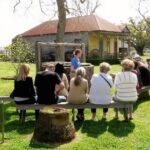



Where the tour starts at St. Joseph, and how check-in works

The tour is tied to a meeting point next door at St. Joseph Plantation. You check in at the gift shop next door at 3535 LA-18, Vacherie, LA 70090, and you should arrive at least 15 minutes early.
That early arrival matters because it gives you time to settle before you meet your guide and begin the walk. It also helps you avoid stress, since the experience is time-based and the full visit is about 90 minutes.
One more detail that helps your day: the tour is live and English-speaking. If you prefer a guided conversation rather than a self-paced walk, this setup fits well.
How to plan your 90 minutes, from house to grounds

The basic rhythm is simple, which is why it works. You get a guided look at the home and the grounds, with time to walk around and view the property. You are not rushed through 30-second snapshots, and you are not left alone in a big space with vague signs.
The itinerary indicates a guided tour duration around an hour for the plantation portion, and the full activity window is listed as 90 minutes. Practically, that usually means time for the walk plus interpretation at key points.
Here is what you should do to get the most out of that timing:
- Wear comfortable shoes, since you will be moving through grounds.
- Bring your attention to the guide’s storytelling, not just the photo angles.
- Expect the guide to connect architecture and agriculture to labor history, especially when you are in and around the house areas.
If you enjoy asking questions, this is the kind of tour where a thoughtful question lands well, since the guide’s focus is on explanation, not just announcements.
What to wear and what not to bring

Keep your day easy by following the site rules. Wear comfortable shoes and avoid bare feet. Alcohol and drugs are not allowed.
That sounds basic, but it matters because plantations can involve hot weather, uneven ground, and sun exposure. You’ll enjoy the walk more when your feet and legs feel ready.
Also note that the site is not suitable for people with mobility impairments or wheelchair users. Plan an alternate option if you need full wheelchair access.
Price and value: what you get for $24

At about $24 per person for a 90-minute guided experience, Felicity is priced like a thoughtful add-on rather than a big-ticket splurge. In terms of value, the math works because you are paying for two things at once.
First, you pay for access to a preserved home with furniture and renovations that many guests find period-true. Second, you pay for an interpretation that includes labor and its afterlife, not just architecture.
That combination is the real value. A purely scenic walk might be cheaper, and a purely museum-style tour might be easier to fit into a schedule, but Felicity gives you a working farm link and a guided human story.
One report also mentioned the tour felt more personal than larger plantation group experiences. If you end up in a smaller group, the $24 feels like a bargain because you get more focused attention and more time to follow the guide’s thread.
Who should book this Felicity tour?
This tour is a strong fit if you:
- Want plantation history that connects architecture to agriculture
- Prefer a guided format where the story is explained in plain language
- Like film location trivia, but want it used as a bridge to deeper history
- Appreciate tours that include both enslaved and free labor stories
It might not be your best choice if you:
- Need wheelchair access or have mobility limits, since the experience is not suitable for wheelchair users
- Want a short, casual stop with minimal walking, since comfortable shoes are recommended
A simple booking checklist before you go
Here’s how I’d prep so the visit goes smoothly:
- Plan to arrive at the St. Joseph gift shop at least 15 minutes early at 3535 LA-18
- Wear comfortable shoes, and skip anything risky for uneven ground
- Set expectations for a guided tour focused on the home, grounds, and labor interpretation
- If you care about film history, be ready to recognize Felicity in familiar scenes, then let the guide connect those visuals to the real plantation story
Should you book the Felicity Plantation guided tour?
If you’re trying to decide whether Felicity is worth your time, I’d say yes, especially if you want more than photos. The property’s blend of Greek Revival and Creole architecture is genuinely striking, but the reason to book is the guided story that connects the house to sugarcane farming and to the people who lived under that system.
I’d prioritize this tour if you value a more personal feel and if you want the guide to explain labor history directly, including what happened after emancipation. And if you love movie settings, Felicity gives you that extra layer of recognition without letting it replace the harder truths.
If mobility access is a concern, check alternatives before you commit.
FAQ
Where is the check-in location for the Felicity Plantation tour?
Check in at the gift shop next door at St. Joseph Plantation, 3535 LA-18, Vacherie, LA 70090.
How early should I arrive for the tour?
You should check in at least 15 minutes before the tour start time.
How long is the tour?
The duration is listed as 90 minutes.
What language is the live tour guide?
The live tour guide provides the experience in English.
What is included with the ticket price?
The ticket includes the guided tour of Felicity Plantation, with an option to walk around and view the grounds.
Do I need to bring food or drinks?
Food and drinks are not included, so you will need to plan accordingly if you bring any.
What should I wear or bring?
Wear comfortable shoes. Bare feet are not allowed.
Is the tour suitable for wheelchair users?
No. It is listed as not suitable for people with mobility impairments and wheelchair users.
What is the price per person?
The price is listed as $24 per person.
Can I cancel and get a refund?
Yes. Free cancellation is available up to 24 hours in advance for a full refund.
More Tours in New Orleans



More Tour Reviews in New Orleans


More Plantation Tours from New Orleans


More ways into New Orleans


New Orleans Plantation Tours, compared.
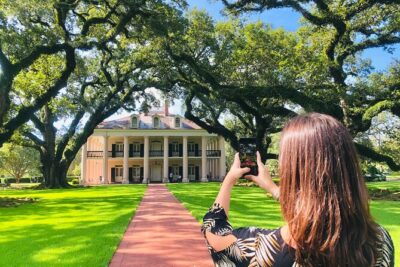 ★ 5.0Swamp Boat Ride and Oak Alley Plantation Tour from New OrleansFrom $1313,303 reviews
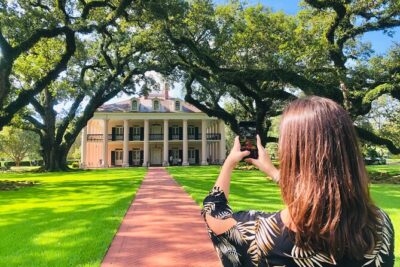 ★ 4.5Oak Alley Plantation Tour with Transportation from New OrleansFrom $891,747 reviews
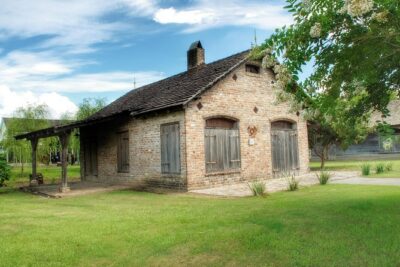 ★ 4.5Whitney Plantation Tour with Transportation from New OrleansFrom $891,351 reviews
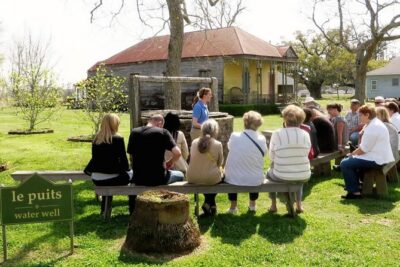 ★ 5.0Laura Creole Plantation Guided TourFrom $321,279 reviews
 ★ 4.5Airboat and Plantations Tour with Gourmet Lunch from New OrleansFrom $2791,246 reviews
 ★ 4.7Bayou Swamp Tour and Oak Alley Plantation TourFrom $1251,147 reviews
 ★ 4.7Oak Alley Plantation & Airboat Swamp Combo TourFrom $160906 reviews
 ★ 4.5Oak Alley Plantation and Large Airboat Swamp Tour from New OrleansFrom $160712 reviews
Browse the lists this tour appears in