
REVIEW · NEW ORLEANS CITY TOURS
La Vie NOLA: Private City Tour of New Orleans
New Orleans hits different from a private seat. This La Vie NOLA tour uses a comfortable vehicle to move you through the city’s best neighborhoods, with local context that goes past the postcard version of NOLA. You also get the fun bonus of seeing street art that most visitors never find on their own, including mural work in the French Quarter area.
I especially like two things: minimal walking in real heat and a guide, Benjamin, who answers questions and customizes the day for your group. One possible drawback: the pace is “see a lot” rather than “linger everywhere,” so if you want hours on foot at every stop, you may wish you had more time in one neighborhood.
Quick key points

- Private vehicle, up to 6 people, for a smoother, cooler way to cover many neighborhoods in about 3 hours
- Local street mural moments in the French Quarter area, with a true insider feel
- Treme drive-through storytelling so you understand the legends and cultural roots beyond the headlines
- City Park plus Cafe du Monde, including a built-in break for beignets and chicory coffee
- Lake Lawn Metairie cemetery visit, with a short stop that still packs in atmosphere
- Uptown views and university area drives, including Tulane and Loyola, plus the American Sector
Why this private NOLA format feels smarter than the big bus
New Orleans is not a city you have to rush. But it is a city that punishes a long, hot walk with sore feet and lost energy, especially if you’re trying to hit multiple neighborhoods in one day. This tour solves that by keeping you in a car for the heavy lifting, then giving you a couple of focused chances to stretch your legs, snack, and take photos.
The other big win is that private does not just mean more comfort. It means your guide can steer the day based on what you actually care about. Benjamin’s style, based on what he’s done for different groups, comes across as conversational and practical, from answering questions on the spot to sharing tips for what to do after the tour. If you like having a plan that still feels flexible, this setup fits.
There’s also a nice rhythm here: you get broad orientation fast, then you spend your energy where it counts. You’ll see a lot from the road, then step out briefly at stops designed for quick breaks.
More New Orleans city tours for the bigger picture



French Quarter by car: architecture, history, and mural art you might miss

The day starts by circling through the French Quarter, one of the easiest places to overdo and one of the easiest places to misunderstand. From the vehicle, you can take in the architecture and the layout without getting stuck in a slow, sweaty shuffle. You also get context as you move, which matters because the Quarter is packed so tightly with story that wandering without a guide can turn into a blur.
The standout here is how the tour handles street art. You’ll be taken to murals created by local artists that color the neighborhood, and the plan even allows a chance to see them in progress. That detail matters. It turns the murals from “background decoration” into something you can actually understand and notice with your own eyes.
What to watch for on your side: focus on repeated symbols and the way murals relate to the neighborhood’s identity. The car view gives you scale, and that helps you understand why the art looks the way it does. If you’re a photo person, this portion can be a strong one because you’re seeing the Quarter in motion, not just from one street corner.
Treme drive-through: legends and culture without the walking workout
After the French Quarter, the tour heads toward Treme, another area that often gets reduced to a couple of famous names when visitors explore on their own. Here, you get a guided drive through the neighborhood plus stories about legends who grew up in the area. That’s the real value. You start connecting people, places, and the city’s longer cultural timeline.
Treme also works well with the private format because it keeps your visit from feeling like a rushed drive-by. You still get the big-picture sense of the neighborhood, but you don’t have to choose between sweating it out on foot or skipping it entirely.
One practical consideration: you will not experience every block at a walk pace. This is more about seeing the feel of Treme and understanding the story, not doing a long on-foot walking tour. If your ideal day is short stops with lots of driving, you’ll like that. If you want deep neighborhood time, plan to return later on your own to wander.
City Park with oaks, a museum pass, and a quick Cafe du Monde reset

Next up is New Orleans City Park, and the stop is timed to give you breathing room without turning the day into a marathon. You’ll see some of the most famous oaks while you stretch your legs, and the route passes the New Orleans Museum of Art. Even if you do not go inside the museum, the “drive-by + short walk” approach gives you a sense of the park’s scale.
The best part for many people is the food break built into the plan: Cafe du Monde for beignets and chicory coffee. This is one of those New Orleans rituals that can feel intimidating to do on your own because of crowds. The timing can help, especially when weather changes plans for crowds.
How I’d use this stop: treat it as both a snack and a stamina tool. You’re moving between neighborhoods all day, so refueling here makes the rest of the afternoon feel easier. If you’re traveling with kids or older family members, this is a good moment to reset without committing to a long sit-down meal.
Lake Lawn Metairie: a short cemetery visit with real atmosphere
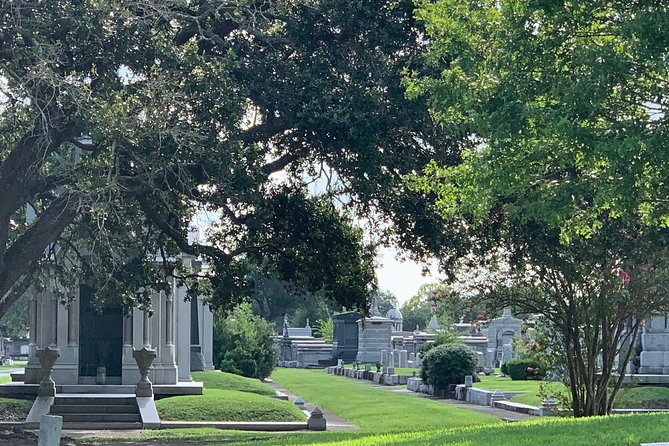
Cemeteries in New Orleans are not just “places to look.” They are part of how the city thinks about memory, family, and art. This tour includes a visit to Lake Lawn Metairie, and you get the chance to see above-ground tombs and experience the city’s “cities of the dead” concept.
The stop runs about 30 minutes. That’s short enough that it won’t take over your entire day, but long enough to notice the details that make these cemeteries different from anything you’ve seen elsewhere. There’s also space to absorb the symbolism and the way the cemetery sits in the city’s geography.
What you should know before you go: if you’re sensitive to cemeteries or you dislike quiet, reflective spaces, this part might be emotionally heavy. On the other hand, if you want a deeper understanding of New Orleans traditions, this stop gives you perspective that you can’t get from surface-level sightseeing.
You can also read our reviews of more city tours in New Orleans



Uptown pause: Audubon Park, calm paths, and a view into everyday New Orleans

The tour then moves into Uptown territory with an Audubon Park stop. This is about quiet contrast: centuries-old oak trees, walking paths, and scenic views, all in the heart of the neighborhood rather than off on a distant day trip.
You’re not spending hours here, but that’s the point. It’s a breather between the more story-heavy stops. It also sets up what comes next, because Uptown in New Orleans is not just pretty buildings. It’s also an everyday part of the city’s rhythm.
Small planning note: if you’re wearing shoes that are okay for walking but not great for uneven ground, swap to your more stable pair before this part. The park paths are usually manageable, but you’ll feel the difference more here than in a purely urban sidewalk walk.
University area drives: Tulane and Loyola, plus the homes of the American Sector
One of the clever parts of this tour is that it uses driving routes to show you how neighborhoods connect. You’ll pass the Tulane and Loyola campuses, and you’ll learn about the American Sector and the important role it played in the city’s history.
This is where the guide’s storytelling really matters. The American Sector is not just a spot on a map. It’s tied to how the city has developed, and a good explanation helps you stop thinking of neighborhoods as separate “zones” and start seeing them as connected communities with distinct identities.
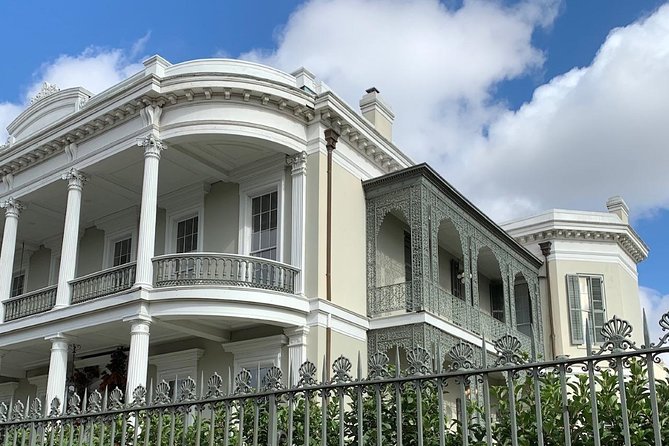
You’ll also see some of the breathtaking homes in this area. That visual part is easy to enjoy, but pairing it with context makes it feel more meaningful than a photo stop.
If you love architecture: pay attention to the variety and how the city’s history shows up in building styles. Even from the car, you can notice patterns that you’d miss if you were only looking for famous landmarks.
Comfort, pace, and accessibility: what the private format really buys you
A key detail that stands out with this tour is how it handles comfort and real-world mobility. Benjamin has supported groups that include older travelers and someone using a walker, bringing a stool and adjusting how the stops work. That kind of practical care is not guaranteed on every city tour, and it can make the difference between a stressful day and a smooth one.
The vehicle itself is part of the value. You’re in a clean, air-conditioned car with a spacious setup. That matters in New Orleans, where humidity can turn “quick sightseeing” into “quick exhaustion.”
The pace is also worth understanding. You do not get long museum-style time at each location. You get short, well-chosen stops and plenty of driving time that still feels informative because the guide is pointing out what you’re looking at and why it matters.
Good fit if: you want an efficient overview, you care about stories behind neighborhoods, and you’d like to rest your legs.
Not ideal if: you want a long walking tour with lots of time in one single area.
Price and value: when $535 per group feels fair
This tour costs $535 per group, up to six people, for about 3 hours. On paper, that can look steep if you compare it to per-person group tours. But private tours change the math.
If you fill the car with 6 people, the cost becomes roughly $90 per person for a guided half-day that includes transportation plus multiple neighborhood highlights. Even with fewer people, you may still find it compares well if you’re splitting with family or friends, especially when you factor in the time saved from planning your own route.
For me, the value comes from three things working together:
- You cover more territory than you would comfortably on foot, especially in heat or rain
- You get local, neighborhood-level context instead of only landmark facts
- You get custom attention, including practical advice for the rest of your trip
One more subtle value point: this tour helps you decide where to return. After you see the city from this guided orientation, you’re more likely to spend your time later where it actually fits your interests.
Tips to get the most out of your 3-hour ride
You’ll enjoy this tour more if you treat it as your New Orleans orientation plus storytime.
Bring a short list of what you care about. For example, if you love architecture, ask where to look later on your own. If you care about culture and music, ask the guide to connect the neighborhood stories to what you’ll notice on streets afterward.
Also plan for small timing shifts. Short stops mean you should keep your schedule light the day of the tour, so you’re not rushing from one activity to another right after.
And yes, plan to take pictures. This tour mixes street scenes, parks, and neighborhood architecture, so you’ll have plenty of chances to capture New Orleans without needing to be outside for long stretches.
Should you book La Vie NOLA?
Book it if you want a private, comfortable way to learn New Orleans beyond the obvious stops. It’s especially smart for first-timers, groups with mixed ages, or anyone who wants a strong overview without the heavy walking.
Skip it only if your top priority is long, on-foot time in a single neighborhood, or if you already have a very detailed plan and you simply want to move between a couple of points on your own. This tour is designed to help you understand the city quickly and then point you toward what to explore next.
If your idea of a great day is: sit back, stay cool, ask questions, and still see the city’s real neighborhoods, then this is a solid choice.
FAQ
How long is the La Vie NOLA private city tour?
The tour lasts about 3 hours.
How many people can be on the private tour?
It’s private for your group, up to 6 people.
Does the tour include pickup?
Yes. Pickup is offered from all hotels and AirBnbs in the New Orleans Metropolitan Area, and from the New Orleans Lakefront Airport.
What language is the tour offered in?
The tour is offered in English.
Are there any admission fees mentioned for the main stops?
New Orleans City Park and Lake Lawn Metairie list admission ticket free for the included time.
What is included for food during the tour?
There is a stop at Cafe du Monde, featuring beignets and chicory coffee.
Is this tour suitable for people with mobility needs?
Service animals are allowed, and most travelers can participate. The tour is designed to limit time on foot, though it is still a guided day with short stop durations.
More Tours in New Orleans





More Tour Reviews in New Orleans


More New Orleans City Tours

More ways into New Orleans


New Orleans City Tours, compared.
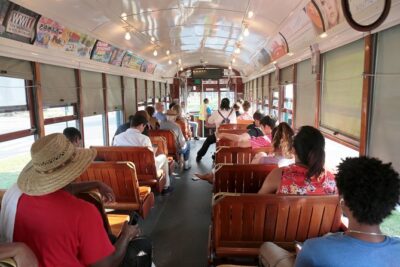 ★ 4.5New Orleans City Sightseeing Hop-On Hop-Off Bus TourFrom $514,943 reviews
 ★ 5.0New Orleans Sightseeing City TourFrom $403,038 reviews
 ★ 4.5City Tour of New Orleans with PickupFrom $452,407 reviews
 ★ 4.5New Orleans City Tour: French Quarter, Garden District & CemeteryFrom $402,209 reviews
 ★ 4.8Sightseeing Bus TourFrom $471,565 reviews
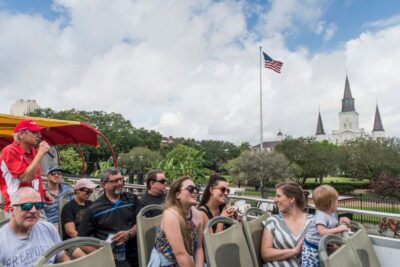 ★ 4.5City Sightseeing New Orleans HOHO Bus Tour & Bookable ExtrasFrom $511,077 reviews
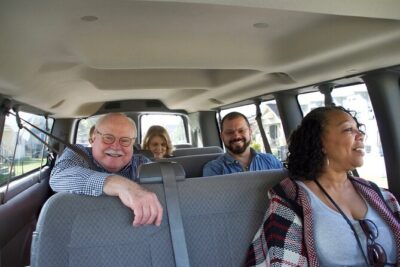 ★ 5.0New Orleans Small-Group City Tour by Van1,077 reviews
 ★ 4.7French Quarter Sightseeing Carriage RideFrom $65644 reviews
Browse the lists this tour appears in