

REVIEW · NEW ORLEANS PLANTATION TOURS
From New Orleans: Whitney and Laura Guided Plantation Tour
A day on River Road hits you in the best and hardest ways. You get a small-group van ride with narration, then two plantation experiences that feel different on purpose, including Whitney Plantation’s slavery-focused exhibits and a guided Laura Plantation tour where you can ask questions. The pairing works because you see both the sugar-plantation world and the Creole plantation story through restored buildings and carefully told accounts. The main drawback is pacing: Whitney is mostly audio-guided self-paced, so if you want constant back-and-forth questions and a more guided experience at both stops, you may feel a bit constrained.
I like that this tour respects your time while still giving real context. You’ll drive past multiple Creole plantations on the old River Road and cross a suspended bridge for views over the Mississippi, then you’ll step into museum-style learning at Whitney and a live-guided plantation walk at Laura. Just keep one thing in mind: this is not a light, postcard kind of outing. Expect the history of slavery to be central, and plan to take breaks when you need them.
Key takeaways before you go

- Whitney focuses only on slavery, using restored spaces and 14 audio exhibits to put the story front and center
- Laura is fully guided, with a local guide walking you through the big house and grounds, plus preserved furniture and slave quarters
- Small group, limited to 13 people, which makes it easier to hear narration and ask questions during the guided portion
- Hotel pickup and drop-off in the French Quarter or Central Business District keeps the logistics simple
- Audio guides in English, French, and Spanish are included at Whitney, so you can match your comfort level with the content
- The van ride includes narration and even scenic road moments like a suspended bridge crossing and passing other Creole plantations
Why Whitney and Laura fit together on a half-day

This tour is built around contrast, and that is a good thing. On one side, you have Whitney Plantation, presented as a museum that gives slavery the attention it rarely gets in plantation tourism. On the other side, Laura Plantation leans more into the Creole family story and everyday plantation life, using guided interpretation inside preserved spaces and on the grounds.
What I like about this pairing is that it turns a single topic into two ways of understanding it. You see architecture and the mechanics of plantation wealth, but you also get the human cost, including the reality that enslaved people built and maintained the grand houses and working landscapes. It is not just about pretty rooms or big trees. The focus is on how power worked and who paid for it.
Also, the total schedule is short enough to keep you from feeling like you are burning a whole day. The full duration is 330 minutes. That means you have time for meaningful walks and museum time, but you are not stuck doing hours of one-note sightseeing.
The one caution: because Whitney uses audio, your experience can vary depending on how quickly you listen and how easily you tune in. One past guest noted that listening can feel tiring after a while. If you know you get fatigued with audio tours, plan to pace yourself, take your time where it matters, and do not feel bad about stopping to rest.
More plantation visits from New Orleans, with the history kept in view

From the French Quarter to River Road, the van ride matters
The day starts with hotel pickup and drop-off, with two pickup options: French Quarter or Central Business District. You ride in a passenger van with narration during the drive, and the group stays small, capped at 13 participants. That size is a big deal. In a larger group, the guide’s stories get swallowed. Here, you’re more likely to actually hear what’s going on.
The route itself is part of the show. You’ll drive along the Mississippi River and cross a suspended bridge high above the water for scenic views. That matters for two reasons. First, it helps you reset your brain after pickup and traffic. Second, it gives you a sense of geography, because the river and the plantations on this old route are the backbone of how this region worked.
As you head toward the first stop, you’ll also drive by four other Creole plantations on the old River Road. You’re not touring them, but you are learning how these estates cluster and how the road connects communities. Even if you only catch parts of the buildings from the roadside, it helps you place what you’ll see later in the day.
In the reviews, I saw how much the driver can shape the mood. One driver, Robert, brought in atmosphere with jazz music in the van and even offered practical comfort like asking whether people needed an umbrella on a sunny day. Another guide, Gisèle, was praised for staying engaged with local history and culture. Those extras are not listed as guaranteed features, but they reflect the style of narration you can reasonably expect from this type of small-group tour.
Laura Plantation: what the live guide adds at the Creole sugar era

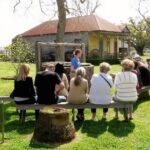
Laura Plantation is where the tour shifts into a more interactive mode. You spend about 1.5 hours on a guided tour of the property with your local guide.
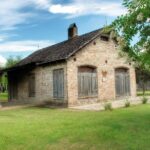
Here’s what you do during the Laura portion: you visit the big house and grounds, you see preserved furniture, and you go inside the slave quarters. That last detail is crucial. Plantation sites sometimes keep slavery as a concept, not a place. Laura places it inside the restored or preserved spaces where people lived.
Your guide also tells you stories tied to the Creole family who lived here and the people enslaved on the plantation. That “two-sided” approach helps you understand what people in the big house believed about their world, and what daily life meant for the people whose labor kept that world running.
What I think makes Laura especially valuable in a mixed day like this is the live element. With a real guide, you can ask questions and get immediate clarification. One review specifically called out that Laura’s guided format was much easier for learning, while Whitney’s audio-only format can be tiring. So if you prefer back-and-forth interpretation, Laura is your main chance in this itinerary.
One more practical note: Laura is surrounded by sugarcane fields, which helps the guide explain why this plantation model made sense economically. Even if you don’t memorize every fact, you walk away understanding how the landscape connected to work, wealth, and social control.
Whitney Plantation: walking the museum of slavery at your own pace

Whitney Plantation is the most focused stop on the day, and it earns that reputation by being intentionally narrow in scope. It is described as the only plantation museum in Louisiana exclusively dedicated to understanding slavery. The museum experience here is built around restored buildings and exhibits that confront the harsh realities and historical facts of slavery.
You spend about 1.5 hours at Whitney, and this part is audio-guided. You follow the audio guide as you move through 14 exhibits, exploring a pre-Civil War sugar plantation setting and hearing the stories of the enslaved people who lived and worked there. The guide content is available in English, French, and Spanish at no extra charge.
I like audio tours like this when they are well organized, and Whitney’s structure seems designed for self-pacing. You can linger when a topic hits hard, then move on before you get mentally overloaded. That flexibility matters, because the subject matter is heavy.
Still, there is a real consideration. One guest said listening can become tiring after a while, and another suggested they would have preferred a guided experience at Whitney as well. That’s the trade-off: audio gives you control, but it can reduce the chance for direct questions.
If you choose this tour, I’d treat Whitney like a museum visit, not a checklist. Slow down for the exhibits that stick with you. Take short breaks if you feel overwhelmed. This isn’t a place to rush, because the point is to absorb details, not just collect photos.
Architecture, labor, and memory: what you should notice on both grounds

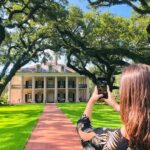
It’s easy to look at an antebellum mansion and focus on the beauty. This day pushes you to notice something else, too. One of the highlights is the chance to marvel at the impressive architecture of the Antebellum mansions slaves built. That phrase matters, because it reframes what you are seeing. The grandeur was not separate from the labor system. It was produced by it.
At both plantations, you’re walking through preserved or restored spaces, which means the buildings act like evidence. When you see furniture that’s been preserved at Laura, and you hear story-based audio at Whitney, you start connecting everyday objects and rooms to the larger system behind them.
If you’re the type who likes “how did they do it” thinking, you’ll find plenty here. Plantation life depended on labor organization, and the tour’s design keeps circling back to how enslaved people’s work supported sugar production and the wealth of plantation owners. Meanwhile, the guided Laura stop adds a narrative layer that helps you interpret what you’re seeing, not just where you’re standing.
I also appreciate that the experience explicitly acknowledges pain and the long road toward freedom, not just the architecture. When a tour does that, it makes the day feel more honest. It also helps you leave with context that you can use later when you talk about Louisiana history, or when you compare what you see on other stops around New Orleans.
You can also read our reviews of more guided tours in New Orleans





The value math behind $159 per person

At $159 per person, this is not a budget add-on. But it’s also not just two random tickets. You’re paying for a coordinated day that includes:
- Hotel pickup and drop-off (French Quarter and Central Business District)
- Passenger van transportation
- Whitney Plantation entry ticket plus the Whitney audio guided tour
- Laura Plantation entry ticket plus the Laura guided tour
- A driver and guide with narration during the drive
There’s also a clear structure: you’re visiting both plantation sites in one half-day window, which saves time and reduces stress if you don’t want to rent a car.
What makes the price feel more reasonable is the combination of guided interpretation and museum content. Laura gives you live guidance for the walk and rooms. Whitney gives you a museum-style exhibit system with audio in multiple languages. Add in the scenic drive element and the small group limit, and you end up with a day that feels planned, not improvised.
If you have a group that prefers flexibility, you might be tempted to do two separate visits on your own. But then you’d deal with driving, timing, and figuring out where guided time slots fit. Paying for a driver and a schedule can be worth it, especially when you want a clean, low-friction day.
Who this tour suits best (and who might want something different)
This tour is ideal if you want plantation history without turning it into a surface-level “big house photo” day. You’ll get a strong focus on slavery at Whitney, plus a guided on-site experience at Laura that covers family and enslaved people, including inside slave quarters.
It also suits visitors who prefer comfort and guidance over navigation. Pickup is offered in the Downtown/French Quarter areas, and the van ride includes narration. Past guests praised the drivers, including Robert and Gisèle, for being friendly, knowledgeable, and attentive to comfort, like reminders to have breakfast and caring details such as umbrellas.
It may not suit you as well if you strongly prefer fully guided experiences at every stop. Whitney is largely audio-based. One review noted they would have preferred a guided Whitney tour too, and that audio can feel tiring. If you’re the kind of person who needs live interpretation the whole time, you may want a different format that includes a guide at Whitney as well, or a more private setup.
Also, this is a heavy subject. If you know you struggle with emotionally intense historical content, plan to take breaks and pace your listening.
Should you book this Whitney and Laura pairing?

I’d book it if you want a small-group day that connects Louisiana plantation architecture with the real system behind it. The mix of Whitney’s slavery-only museum focus and Laura’s guided look at Creole plantation life, including slave quarters gives you a more balanced understanding than either stop alone.
Skip it or consider another option if you dislike audio tours and need a live guide at every museum stop. Whitney’s audio format is a real factor, and the schedule can feel tight if you want long, interactive time.
If your goal is a respectful, structured learning day that fits into your New Orleans trip without renting a car, this is a solid choice.
FAQ

What is the price and duration of the tour?
The tour costs $159 per person and lasts 330 minutes.
Where does the pickup and drop-off happen?
Pickup is available from hotels in the French Quarter and the Central Business District. Drop-off is also in those same two areas.
How big is the group?
The tour is a small group limited to 13 participants.
Is Whitney Plantation audio guided, and what languages are offered?
Yes. Whitney Plantation includes an audio guided tour. The audio is available in English, French, and Spanish.
Is Laura Plantation guided?
Yes. Laura Plantation includes a guided tour and lasts about 1.5 hours.
Are meals included?
No. Food and drinks are not included, but you can purchase snacks and drinks at the gift shops.
Are large bags or luggage allowed?
No. Luggage or large bags are not allowed.
More Tours in New Orleans





More Tour Reviews in New Orleans


More Plantation Tours from New Orleans

More ways into New Orleans


New Orleans Plantation Tours, compared.
 ★ 5.0Swamp Boat Ride and Oak Alley Plantation Tour from New OrleansFrom $1313,303 reviews
 ★ 4.5Oak Alley Plantation Tour with Transportation from New OrleansFrom $891,747 reviews
 ★ 4.5Whitney Plantation Tour with Transportation from New OrleansFrom $891,351 reviews
 ★ 5.0Laura Creole Plantation Guided TourFrom $321,279 reviews
 ★ 4.5Airboat and Plantations Tour with Gourmet Lunch from New OrleansFrom $2791,246 reviews
 ★ 4.7Bayou Swamp Tour and Oak Alley Plantation TourFrom $1251,147 reviews
 ★ 4.7Oak Alley Plantation & Airboat Swamp Combo TourFrom $160906 reviews
 ★ 4.5Oak Alley Plantation and Large Airboat Swamp Tour from New OrleansFrom $160712 reviews
Browse the lists this tour appears in