
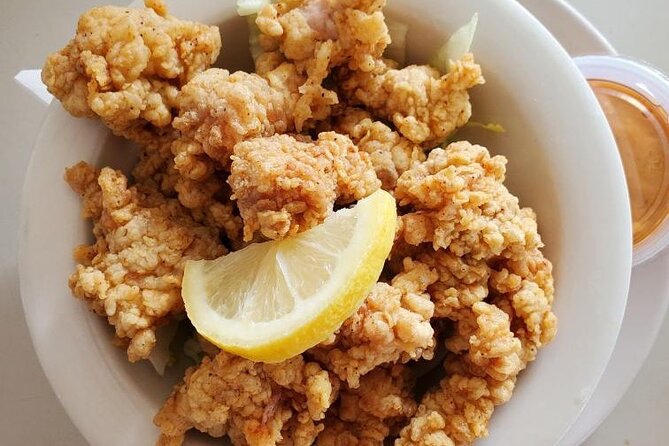
New Orleans, tuned to your trip.
French Quarter walks, bayou airboats, brass-band nights and tables worth crossing town for. Compare the experience, the price and the practical details before you book.
The bookings that carry a New Orleans trip.
Start with the experiences that reveal the city quickly: a guide who can read the Quarter, a boat into the wetlands, a table full of Creole cooking and a night built around live music.
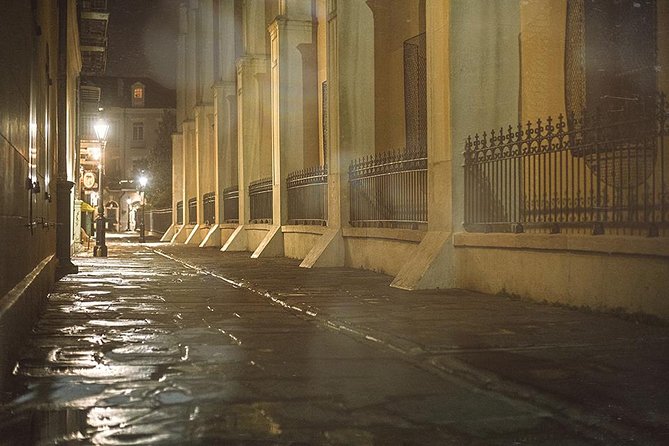
Adults-Only New Orleans Ghost, Crime, Voodoo, and Vampire Tour
Adults-only French Quarter ghost, crime, voodoo, and vampire walking tour with small groups, strong storytelling, and an optional VIP Hellvision upgrade.
From $37 per person
Read the review →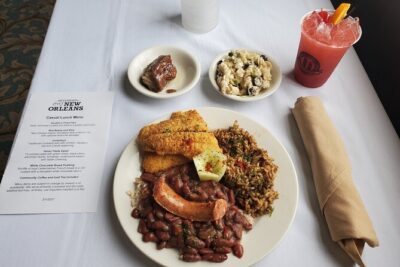 ★ 4.5Safe betNew Orleans Steamboat Natchez Jazz CruiseFrom $435,334 reviews
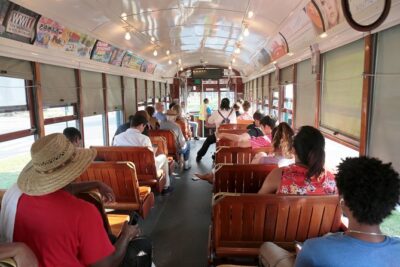 ★ 4.5Books out fastNew Orleans City Sightseeing Hop-On Hop-Off Bus TourFrom $514,943 reviews
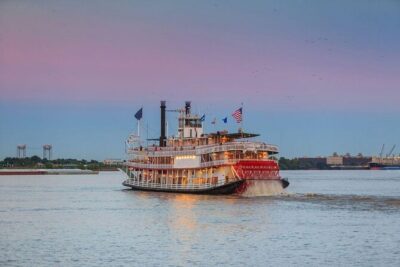 ★ 4.5Crowd favouriteNew Orleans Airboat RideFrom $594,891 reviews
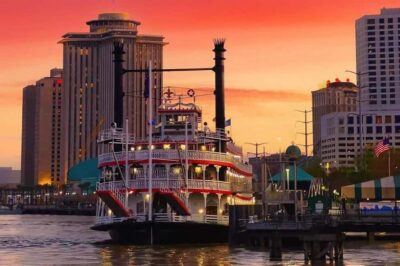 ★ 4.3Strong first pickEvening Steamboat Jazz Cruise + Optional DinnerFrom $584,548 reviews
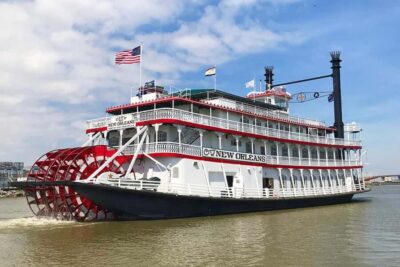 ★ 4.3Easy winDaytime Steamboat Jazz Cruise + Optional LunchFrom $434,164 reviews
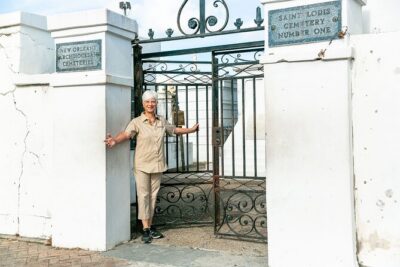 ★ 4.5Traveller favouriteSt. Louis Cemetery No. 1 Official Walking TourFrom $253,941 reviews
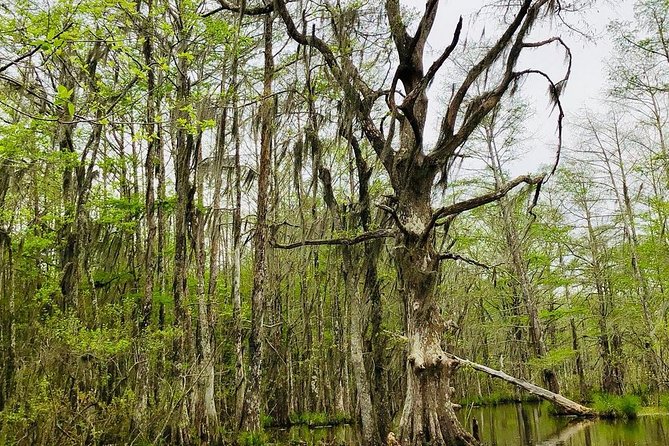
The bayou changes the pace.
Airboat spray, cypress knees and a guide who knows where the alligators settle when the water warms. Compare pickup, boat style and time on the water before choosing your escape from the city.
Which water day is yours?
The right boat depends on whether you want speed, wildlife or an easy evening on the Mississippi. Choose the mood first, then compare the reviewed options behind it.
Fast and open
The airboat run
2 to 4 hours (approx.) · from $59 · 4,891 reviews
Choose this for speed, spray and a wider sweep through the marsh. The best operators balance the ride with quiet wildlife stops and state clearly whether hotel pickup is included.
Compare airboat tours →
 Wildlife first
The slow swamp tour
5 hours (approx.) · from $70 · 5,399 reviews
A smaller boat gives the guide time to read the water, spot birds in the cypress and explain how people live with the wetlands. This is the stronger choice when seeing the ecosystem matters more than speed.
See swamp and bayou tours →
Wildlife first
The slow swamp tour
5 hours (approx.) · from $70 · 5,399 reviews
A smaller boat gives the guide time to read the water, spot birds in the cypress and explain how people live with the wetlands. This is the stronger choice when seeing the ecosystem matters more than speed.
See swamp and bayou tours →
 Stay in the city
The river cruise
3 hours (approx.) · from $58 · 7,533 reviews
Trade the marsh for the Mississippi. Day sailings focus on the river and port; evening boats add dinner or jazz. Check inclusions carefully because the experience changes with the ticket.
Compare river cruises →
Stay in the city
The river cruise
3 hours (approx.) · from $58 · 7,533 reviews
Trade the marsh for the Mississippi. Day sailings focus on the river and port; evening boats add dinner or jazz. Check inclusions carefully because the experience changes with the ticket.
Compare river cruises →
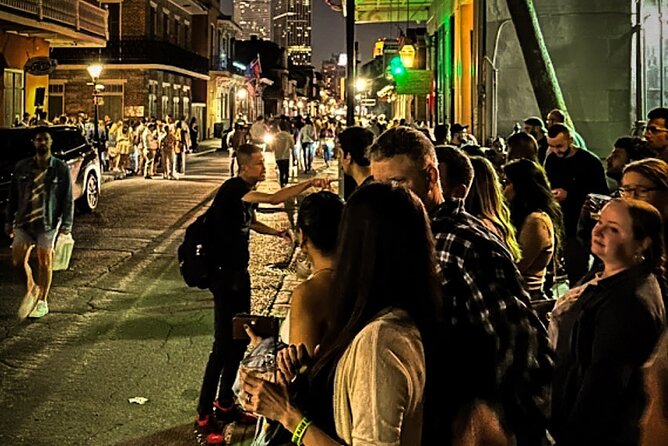
After dark, every block has a story.
Ghost walks, voodoo history and true-crime routes share the same streets but tell very different stories. Pick a guide for their subject and evidence, not simply the loudest promise.
Come hungry, leave with context.
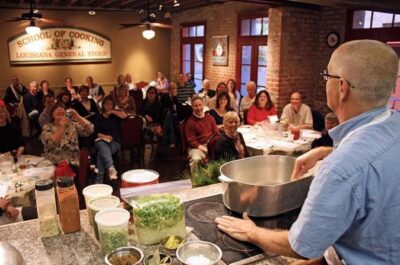
A strong food tour connects gumbo, pralines, po’boys and Creole kitchens to the neighbourhoods that made them. Cooking classes slow the lesson down; cocktail walks move it into the evening.
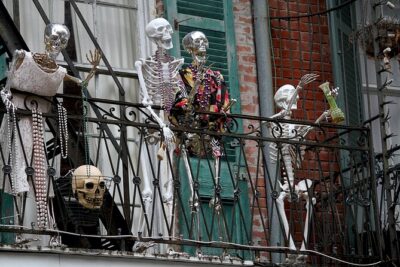

The river has a soundtrack.
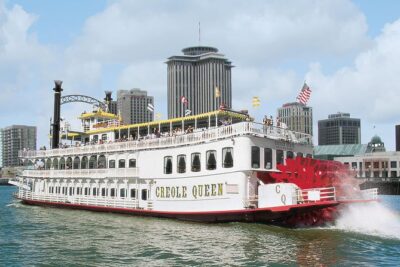
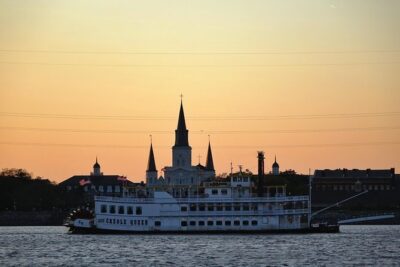
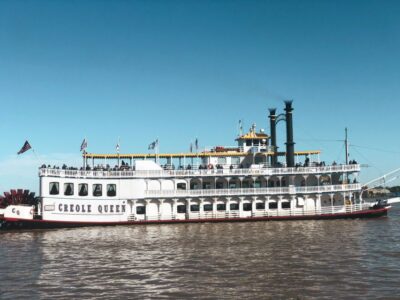
Jazz rooms reward a small group and a guide who knows the musicians. Riverboats give the night a wider stage. Compare what is live, what is included and how much of the evening stays on your own clock.
Choose the story, not just the house.
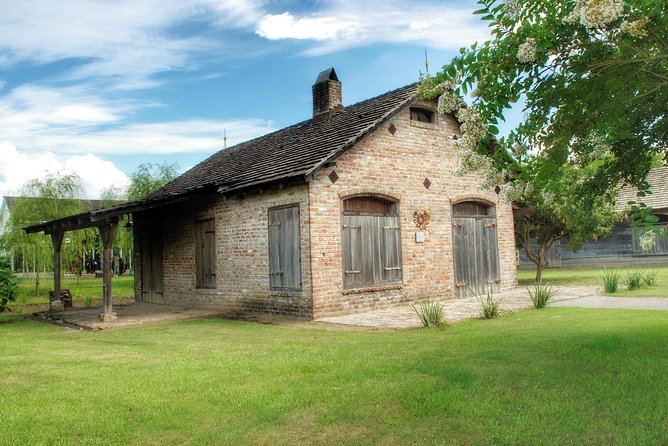
Plantation visits differ sharply in what they centre. Whitney foregrounds the lives of enslaved people; other estates lean toward architecture, gardens or sugar history. Read the itinerary before choosing the day.
Build the city around your interests.
Use the Quarter for orientation, the Garden District for architecture, the river for a slower view and the city’s food, music and cemetery routes for the stories between them.
Know what you’re after?
Choose the kind of day you want, then compare reviewed and priced options behind it.
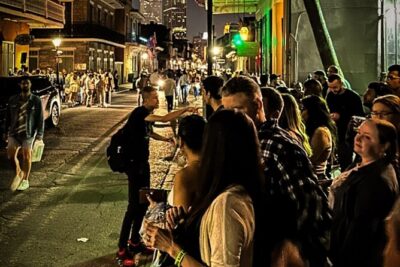
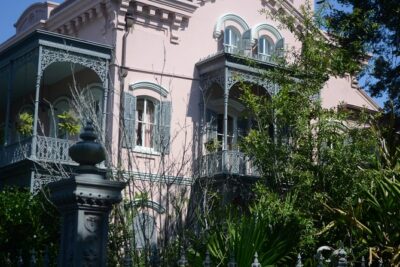

Trade the pavement for water and cane country.
A half day reaches the swamps; a longer route can pair the wetlands with a plantation visit. River cruises stay close to town. Compare transfer time and the hours actually spent at each stop.

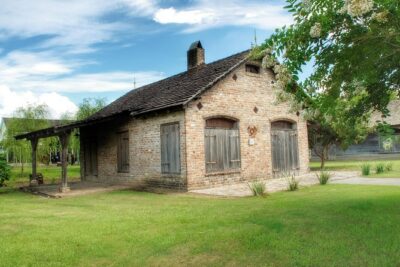
Three days, done right.
You cannot hear every band or eat every table in one visit. You can give the Quarter, the neighbourhoods and the wetlands enough room to feel distinct.
 Day 1
Read the French Quarter
Walk early while the streets are cooler, stop for a long lunch, then return after dark for music or a history tour with a narrower focus.
Plan day one →
Day 1
Read the French Quarter
Walk early while the streets are cooler, stop for a long lunch, then return after dark for music or a history tour with a narrower focus.
Plan day one →
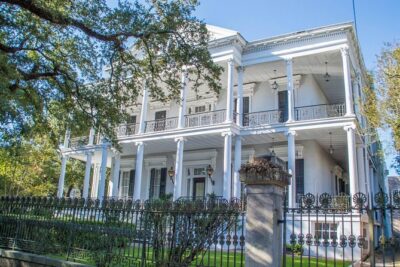 Day 2
Neighbourhoods and kitchens
Take the streetcar toward the Garden District, give the architecture a proper morning, then let a food or cocktail route choose the evening’s stops.
Plan day two →
Day 3
The wetlands
Leave the city for cypress, open water and wildlife. Choose an airboat for energy or a slower vessel when the ecosystem is the reason for going.
Plan the bayou day →
Day 2
Neighbourhoods and kitchens
Take the streetcar toward the Garden District, give the architecture a proper morning, then let a food or cocktail route choose the evening’s stops.
Plan day two →
Day 3
The wetlands
Leave the city for cypress, open water and wildlife. Choose an airboat for energy or a slower vessel when the ecosystem is the reason for going.
Plan the bayou day →
Latest New Orleans Tour Reviews
 ★ 5.0Mardi Gras Mambo Tours: Mambo NightsFrom $1753 reviews
 ★ 5.0Private Departure New Orleans to New Orleans MSY or Port by SUVFrom $1053 reviews
 ★ 5.0New Orleans Round Trip Chauffeur Driven TransportFrom $1303 reviews
 ★ 5.0Crescent City History TourFrom $353 reviews
 ★ 5.0Private New Orleans City and Cemetery Bus Tour Up to 24 PeopleFrom $8003 reviews
 ★ 3.5Ghost Hunt in New Orleans: Quest ExperienceFrom $73 reviews
 ★ 5.0New Orleans Garden District Food & History Tour with Local GuideFrom $1473 reviews
 ★ 5.0French Quarter Bar Pit Stop and NOLA Legends TourFrom $353 reviews