New Orleans: Oak Alley Plantation Tour with Transportation

REVIEW · NEW ORLEANS PLANTATION TOURS

New Orleans: Oak Alley Plantation Tour with Transportation

4.6 · 362 reviews 315 - 465 minutes From $89 Operated by Gray Line New Orleans · Bookable on GetYourGuide
Book on GetYourGuide →

Oak Alley can feel like a time machine. You get round-trip transportation from New Orleans, a guided look through the Big House exhibit, and the iconic 1/4 mile Allee of oaks that frames the whole experience. The ride is part sightseeing too, including a panoramic pass over the Bonnet Carre Spillway toward Lake Pontchartrain.

I love how much you cover in one stop, especially the guided indoor portion and the way the site addresses enslaved life through reconstructed slave cabins and an interpreter at the Slavery exhibit. I also like the built-in rhythm of film, exhibits, and walking, so you are not stuck in a single room for hours.

One consideration: the day is scheduled, so your time at Oak Alley can feel a bit tight if you want to linger everywhere. And cameras are restricted inside the house, so if you are planning lots of photo time in the mansion, you will need to work around the rules.

Key highlights worth planning around

New Orleans: Oak Alley Plantation Tour with Transportation - Key highlights worth planning around

  • 1/4 mile Allee of oaks created with slave labor (1820s to 1840s), and your best photos are outdoors
  • Guided Big House exhibit tour, including the opportunity for a second-floor alternative if you cannot climb stairs
  • Slavery at Oak Alley exhibit plus reconstructed slave cabins, guided by an interpreter
  • Sugarcane Theater with a film and displays on sugarcane production
  • East and West Gardens that reflect two time periods, plus a blacksmithing exhibit with the original forge
  • Optional 90-minute Manchac Swamp pontoon cruise with a local captain, and alligators are a real possibility

A smooth New Orleans to Oak Alley day, bus ride included

This tour runs long enough to feel like a half-day trip, with a stated duration range of 315 to 465 minutes. That spread matters, because travel time plus the fixed schedule inside the plantation can change how much walking time you personally feel you get.

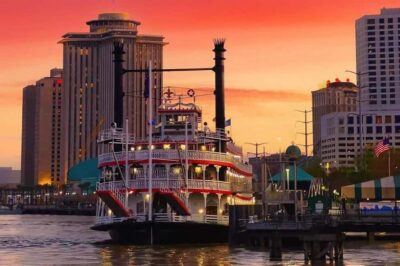
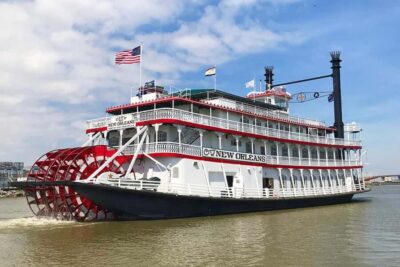
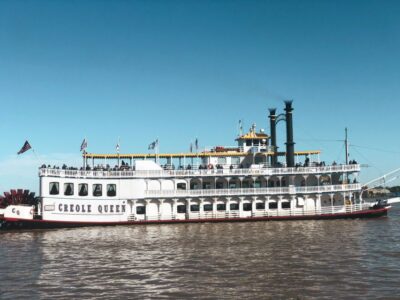
Your meeting point is at the Lighthouse Ticket Office at Toulouse Street by the Mississippi River. The tours depart from the Steamboat Natchez dock, directly behind JAX Brewery, at 400 Toulouse Street in New Orleans. You will want your barcoded voucher ready and displayed 15 minutes early.

On the drive, you pass several plantations along the Mississippi River, including Whitney, Evergreen, Felicity, and St. Joseph. There is also a scenic moment as you cross the Bonnet Carre Spillway, with a panoramic view out toward Lake Pontchartrain. This matters because the ride gives you quick context for what this region was built around, sugarcane and cotton, and how the river shaped trade.

Also, plan to arrive calm and ready to listen. In real life, the bus commentary can be a big part of the value. I saw multiple guides praised for adding stories and context on the ride, including names like Robert, Michelle, Briant, Ken, Alton, and Donald.

More plantation visits from New Orleans, with the history kept in view

The Allee of oaks walk: the 1/4 mile you should not rush

New Orleans: Oak Alley Plantation Tour with Transportation - The Allee of oaks walk: the 1/4 mile you should not rush
Oak Alley is famous for its perspective. The trees create a corridor effect that pulls your eyes straight down the property, and you can feel why this spot became an icon.

The tour includes the 1/4 mile Allee of oaks, and you should understand that it was created using slave labor sometime between the 1820s and 1840s. That detail is not just trivia. It changes how you interpret the rows of beauty once you see the full story presented around the site.

Here is the practical tip: save your energy for the full walk, and plan your photos outdoors. Cameras are not allowed inside the plantation home, but the rules say photography is encouraged on the balcony, grounds, and in self-paced exhibits. In other words, if you want to capture the oak avenue, you will be happiest focusing on the outdoor areas that are built for it.

The Big House exhibit tour and the house-photo rules

New Orleans: Oak Alley Plantation Tour with Transportation - The Big House exhibit tour and the house-photo rules
The centerpiece is a guided tour of the Big House exhibit. This part is designed to show life inside an antebellum plantation mansion, including how it functioned for the planter family. You also learn that the story does not stop behind these walls, because the enslaved community and plantation labor are part of what built the wealth and the look.

The Big House is described as an 1839 Greek Revival mansion. It is the kind of building where details feel purposeful: symmetry, scale, and rooms arranged to impress. The tour guide’s job is to keep it from becoming just pretty architecture by connecting what you see to how plantations worked.

Timing and access are key here. The Big House visit includes stairs, and there is a specific accessibility note: the second floor requires climbing 22 stairs. If you cannot climb those stairs, there is a video tour in the media room, but limited seating means it should be reserved for guests who cannot make the climb.

There are also device and photo rules inside. Electronic devices must be turned off, and cell phones muted while you are in the Big House exhibit. No photography or video is allowed inside the plantation home, and the staff encourages photos on the balcony and grounds instead.

If you are a person who hates being told where you cannot film, accept it early. It will make the house portion feel calmer. Think of the indoor tour as a guided lecture space, not a selfie time.

Reconstructed slave cabins and the interpreter-led Slavery exhibit

New Orleans: Oak Alley Plantation Tour with Transportation - Reconstructed slave cabins and the interpreter-led Slavery exhibit
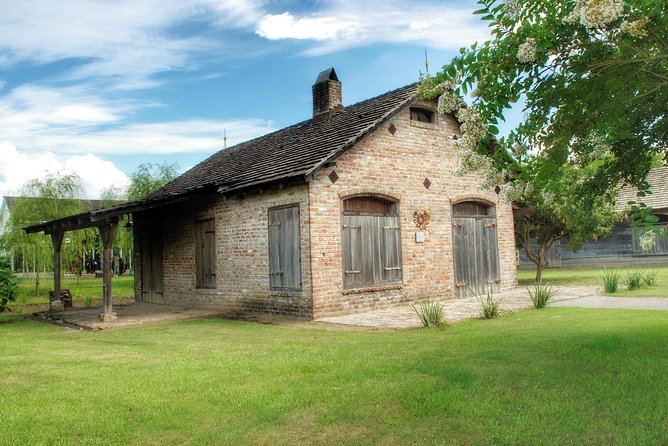
If you come to Oak Alley hoping to understand more than the postcard angle, this is where the tour earns its seriousness. The experience includes a Slavery exhibit and reconstructed slave cabins, with an interpreter on hand.

The reconstructed cabins help you picture what everyday housing and daily routines might have looked like in this setting, but they are not meant to replace records. They are meant to give you a frame so the slavery exhibit can land in your brain beyond general concepts.

I liked that the tour does not isolate this topic in one corner. It connects plantation life to the grounds you walk. You will also see exhibits tied to the plantation after the Civil War, including information about subsequent owners. That part is useful because it shows how plantation properties changed hands and how the built environment outlived the system that produced it.

For many visitors, this area is the most thought-provoking part of the day. If you are the type who needs a minute after heavy content, plan a short pause somewhere outside the cabins so you can reset before moving to the next stop.

Sugarcane Theater, gardens, and the blacksmithing exhibit

Oak Alley does not only teach through rooms. It also uses staged exhibits and outdoor stops so you can build a fuller picture of how a plantation worked.

The included Sugarcane Theater shows a film on sugarcane production and pairs it with displays. This matters because sugarcane is the economic engine behind a lot of what you see, from wealth to labor to the landscape planning around the property. Even if you are not a history nerd, it helps your visit make sense.

You also get the East and West Gardens, described as reflecting the 1840s and the 1930s. This gives you a sense of how the property’s look evolved after the antebellum era. It is also a quiet place to notice how time changes what you see: different plantings, different priorities, still the same overall setting.

Then there is the blacksmithing exhibit, including the plantation’s original forge. This is one of those “small details” that turns into real value because it connects the dots between manual labor and how the plantation kept running. When you picture tools, repairs, and daily maintenance, the forge makes the system feel less abstract.

If you want a simple rule: let the guided parts handle the information, and let the gardens and forge give you the atmosphere and practicality.

Lunch at the plantation café and smart pacing tips

Lunch is not included, but the plantation has an on-site café with options like grab-and-go meals and snacks. You can also enjoy food at picnic tables or even aboard the coach depending on the flow of the day.

One theme that shows up in real-world experience is pacing. Some people find they do not get as much free wandering time as they hoped, especially if their Big House tour time slot is early. If you want a longer stroll through the grounds, go in with a plan: pick the areas you care about most and accept that not every corner will get equal time.

A practical approach that works well here:

  • Use your guided time to ask questions about what you are seeing.
  • After the house and exhibits, do a focused pass on the oak alley and your top outdoor features.
  • If you care about food, eat earlier rather than later so you are not rushing during your limited free window.

Optional Manchac Swamp upgrade: 90 minutes in a wildlife refuge

New Orleans: Oak Alley Plantation Tour with Transportation - Optional Manchac Swamp upgrade: 90 minutes in a wildlife refuge
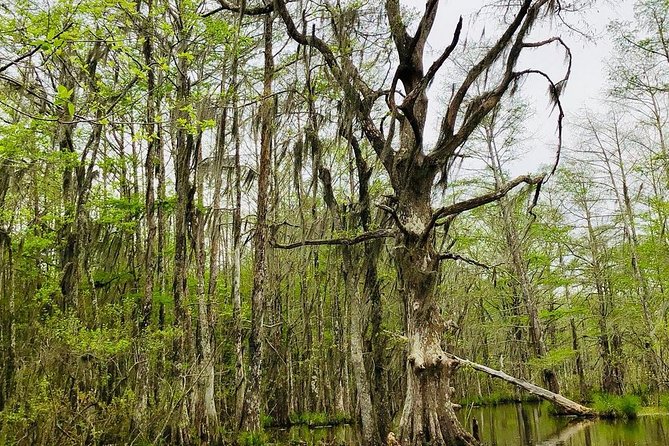
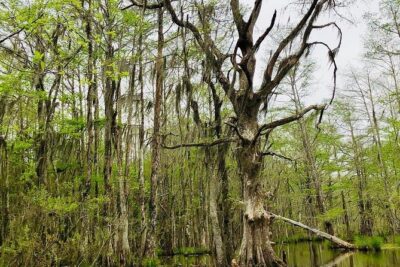
The swamp tour is an upgrade option, and if you choose it, you add a 90-minute pontoon boat cruise through the Manchac Swamp area. The tour notes that you will cruise through a privately-owned wildlife refuge in a comfortable, covered pontoon boat driven by a local captain.

This part shifts the tone of your day. Oak Alley is about built structures and human stories tied to labor. Manchac Swamp is more about waterways, wildlife, and Cajun culture traditions tied to fishing, hunting, and trapping.

You should expect wildlife viewing to be part of the fun. The guidance says keep your eyes peeled for alligators as they leap up for snacks. That line is so specific that it is basically a cue for how you should behave: stay alert, listen to the captain, and do not assume you will see something only if you are actively searching.

If you are choosing between “more time at Oak Alley grounds” and “wildlife cruise,” consider your travel style. If you love nature and want variety beyond plantation structures, the swamp upgrade is usually the more memorable add-on. If you want deep time walking at Oak Alley, you might prefer to skip the upgrade.

Price and value: where the $89 fits in

At $89 per person, this is not a cheap stop, but it is also not just an entry ticket. You are paying for round-trip transportation from New Orleans plus a guided house component and a package of exhibits.

Here is what you get for your money in plain terms:

  • Transportation that saves you from driving yourself and dealing with timing
  • Guided tour time inside the Big House exhibit
  • Interpreter-led material tied to slavery through exhibits and reconstructed cabins
  • Multiple included exhibits, not just the house
  • Access to the café and on-site food options (not lunch, but you can buy it)

Is it worth it? For most visitors, yes, because the alternative is often a logistical hassle. You might drive yourself, but you lose the guided structure and the ride-time context, plus you will need to coordinate your own timing for everything inside the property.

If you tend to be stressed by fixed schedules, you may feel the squeeze because the day is structured and photo rules inside the home limit how you can spend time. Still, even with that, you would be hard-pressed to match this combination of guided components plus transportation for a similar total effort.

My best advice to make the day feel calmer

Do not treat Oak Alley like a quick stop. Treat it like a full lesson with breaks.

I recommend you:

  • Wear shoes you can walk in for the oak avenue and the museum-like exhibits.
  • Plan to follow the house rules, especially no phones and no photography inside.
  • Bring the questions you actually have. If you want more clarity about what you are seeing in the slavery exhibit or how plantation labor connected to the forge and sugar production, ask during the guided portions.
  • Have a little cash on hand for tips and small purchases, especially if you plan to buy café food.

If you are visiting with mobility needs, remember that most exhibits are wheelchair accessible, but the Big House second floor requires stairs. The availability of a video tour is helpful, but plan for it so you do not lose time deciding on the spot.

Should you book the Oak Alley tour with transportation?

Book this tour if you want:

  • A guided, structured visit that includes the Big House plus slavery-related exhibits
  • Transportation that keeps you from managing your own driving schedule
  • The option to add a wildlife-focused Manchac Swamp cruise if you want variety

Skip or rethink it if:

  • You need lots of free roaming time and tend to linger slowly, because the day follows a schedule
  • You are hoping for lots of inside-house photos, since cameras are restricted and no photography is allowed inside the plantation home

Overall, for the majority of visitors, the value is in how the tour stitches together the architecture, labor story, and working-plantation exhibits, with a comfortable bus ride handling the logistics from New Orleans.

FAQ

Where do I meet for the Oak Alley tour?

You meet at the Lighthouse Ticket Office at Toulouse St. and the Mississippi River. Tours depart from the Steamboat Natchez dock directly behind JAX Brewery at 400 Toulouse Street, New Orleans, LA 70130.

How long is the tour?

The duration is listed as 315 to 465 minutes. Start times vary by availability.

What is included besides transportation?

Included items cover the 1/4 mile Allee of oaks, a guided Big House exhibit tour, Sugarcane Theater, reconstructed slave cabins with a slavery exhibit and interpreter, an exhibit on subsequent owners after the Civil War, East and West Gardens, and a blacksmithing exhibit including the plantation’s original forge.

Is lunch included?

Lunch is not included. You can buy grab-and-go meals, snacks, and items like sandwiches or salad at the Plantation Café.

Can I take photos or videos?

Cameras are not allowed. Also, electronic devices must be turned off and cell phones muted while in the Big House exhibit, and no photography or video is allowed inside the plantation home. Photography is encouraged on the balcony, grounds, and in self-paced exhibits.

Is the swamp tour included automatically?

No. The 90-minute Manchac Swamp pontoon boat tour is included only if you choose the upgrade option.

What boat ride can I expect on the swamp tour upgrade?

With the upgrade, you cruise through a privately-owned wildlife refuge on a comfortable, covered pontoon boat with a local captain. The tour notes that alligators may appear as they leap up for snacks.

Is this tour offered in English?

Yes, the live tour guide language is English.

What should I do at check-in?

Display your barcoded voucher as your ticket about 15 minutes before your tour time at the Lighthouse Ticket Office.

Is there an accessibility option if I cannot climb stairs?

The tour is wheelchair accessible. Most exhibits are handicapped accessible, but the Big House second floor requires climbing 22 stairs. A video tour is available in the media room, and limited seating means it should be reserved for guests who cannot climb the stairs.