French Quarter Tour with Local Guide and Creole Stories

REVIEW · FRENCH QUARTER TOURS

French Quarter Tour with Local Guide and Creole Stories

4.9 · 159 reviews 2 hours From $35 Operated by Brown Flavor Tours LLC · Bookable on GetYourGuide
Book on GetYourGuide →

New Orleans can feel like a postcard until someone tells its real story. This French Quarter tour uses Creole history and street-level storytelling to make the neighborhood click. I really like the boutique group size, and I love how the guide connects the past to the people who lived it every day, including the kind of details that turn a street corner into a memory. One thing to consider: you will be doing a fair amount of walking on uneven surfaces, so comfortable shoes are not optional.

The best part is the way your certified local guide shapes the narration to your group. Some guides, like Erika, are praised for how fast and engaging the talk feels, and for sharing a personal angle on life in New Orleans, not just facts. The potential drawback is language mixing, since the tour is multilingual and depends on the day, so you may find your explanations a bit less one-to-one if your group includes people who speak different languages.

If you want the French Quarter as more than a checklist of famous spots, this is a strong choice. You get iconic streets plus quiet corners of Vieux Carré, and you also leave with targeted advice for what to do next. Just be prepared for narrow sidewalks in older parts of the neighborhood, and double-check your comfort level if mobility is a concern.

Key highlights I’d plan around

French Quarter Tour with Local Guide and Creole Stories - Key highlights I’d plan around

  • Creole-centered storytelling that explains who shaped the Vieux Carré and why language and community mattered
  • Small group size (max 12) for a more personal feel and easier back-and-forth questions
  • 90-minute cultural walk with a real guide, not a scripted monologue
  • Famous landmarks and side streets so you see the well-known sights and the quieter edges of the Quarter
  • Multilingual narration offered in English, Spanish, French, or Italian depending on the day
  • Practical tips for the rest of your stay, built into the experience so you can move with confidence afterward

Why Creole Stories Change How You See the French Quarter

French Quarter Tour with Local Guide and Creole Stories - Why Creole Stories Change How You See the French Quarter
Most French Quarter tours give you dates, architecture notes, and the occasional legend. This one does something different: it uses the lens of Creole culture and the people who preserved it over centuries. That matters because the Quarter is more than pretty balconies and photo angles. It is a living neighborhood where identity, family, and language have always shaped daily life.

As you walk, the guide frames what you are seeing through human stories. You hear about women, families, artists, and communities who kept traditions alive, even as the city changed around them. I like that the focus stays on real connections, not just “here’s what this building is.” It helps you notice details you would otherwise gloss over.

You also get the feeling that the guide is doing more than reciting. The tour is described as adaptive, not scripted, so if your group has questions or leans toward certain themes, the guide adjusts. That’s a big deal in a city where everyone thinks they know the French Quarter, but most people only know the surface.

More French Quarter walks and tastings near the same streets

Starting at Pirate’s Alley Café, Right Behind St. Louis Cathedral

French Quarter Tour with Local Guide and Creole Stories - Starting at Pirate’s Alley Café, Right Behind St. Louis Cathedral
The meeting point is Pirate’s Alley Café, 622 Pirate’s Alley, just behind St. Louis Cathedral. The café sits in a shaded alley area between Royal St and Chartres St, which is exactly the kind of starting point that gets you into the Quarter’s rhythm fast.

This location is convenient because you are immediately in the middle of the action. You are not commuting across town. You are already surrounded by the dense street grid that makes the French Quarter feel both compact and maze-like. It also means you can orient yourself quickly before you begin exploring on your own later.

A practical note: arrive about 10 minutes early. This tour is a coordinated meet and walk, and you do not want to be hunting for the group while everyone else is already heading out.

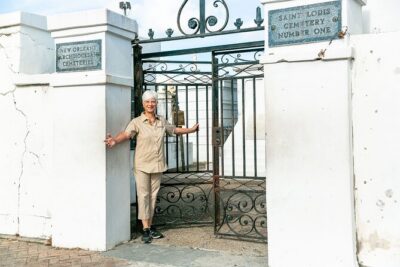
Also, look for a guide wearing a Brown Flavor Tours badge and a colorful Creole-style accessory. That makes it easier to spot your guide without standing around too long.

The 90-Minute Cultural Walk: Landmarks and Quiet Corners

French Quarter Tour with Local Guide and Creole Stories - The 90-Minute Cultural Walk: Landmarks and Quiet Corners
The tour is built around a 90-minute cultural walking route, with the full experience taking about 2 hours including meet-up and wrap-up. You are moving through the French Quarter at a pace that feels comfortable for sightseeing, but you will still cover meaningful ground.

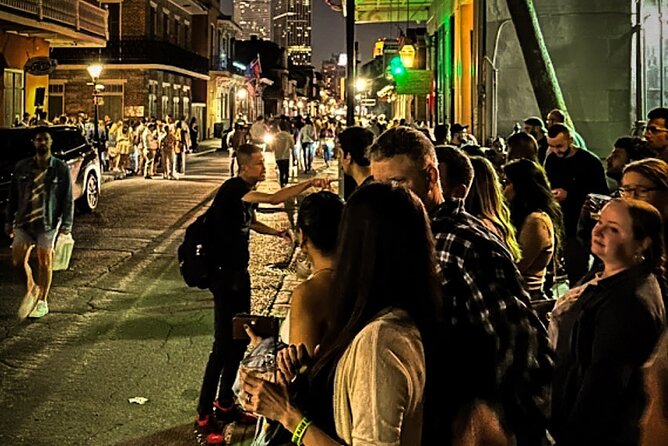
What you see is described as the most emblematic streets, famous landmarks, and also secret corners of the Vieux Carré. That combination is the sweet spot. The famous spots help you feel oriented, then the quieter lanes reward you for paying attention. Instead of only stopping for photos, you start noticing how street life changes from one block to the next.

Because the specific stop list is not spelled out in the details you provided, here is what you can reliably plan for:

  • you start at Pirate’s Alley and move out into the older core near St. Louis Cathedral
  • you pass through well-known French Quarter streets, then cut into less obvious parts
  • you keep listening while you walk, since the guide’s stories are tied to the locations you are seeing

What makes this valuable is how the guide connects the physical place to cultural meaning. In the French Quarter, you can look at a street and see beauty, but without context it is easy to miss what the place actually meant to the people who built and sustained it.

Your Guide Does More Than Talk, They Read the Room

One of the strongest promises here is that it is not a scripted lecture. The guide adapts the storytelling to your group’s language, interests, and curiosity. In plain terms, that means you get a more human experience.

That matters because people travel for different reasons. Some want history. Others want cultural identity and stories. Some just want the right level of information so they do not feel overloaded. A good guide will steer the content to match your group. You can also ask questions, and the tour format gives room for that kind of back-and-forth.

If you have seen the name Erika in your own planning, that tracks with what many visitors love about this style of guide. Erika is praised for being very engaging, sharing a personal view on living in New Orleans, and keeping the energy high, even when the topic is deep. The comments also point out that the pace feels fast in a good way, like time disappears while you learn.

The small downside is that when a group is multilingual or includes different levels of curiosity, the guide may need to repeat or reframe parts of the narration. That is not a deal-breaker, but it is worth knowing if you hate hearing the same point twice.

Multilingual Tours: Picking the Right Day and Language

Tours run daily in English at 9:00 AM. A second language rotates by day: Monday is Spanish, Tuesday is French, Wednesday is Italian, Thursday is Spanish, Friday is French. Saturday’s language and subject depend on availability, and Sunday is French.

That schedule is useful because it helps you match your comfort level. If you want the smoothest experience, choose the day that matches your language best.

Also, the tour runs with one language per tour. That means if you join a group in English, you should generally expect the narration in English throughout.

Still, you might run into mixed groups if a tour has guests who vary in language comfort. One mention you provided highlights that when people shared parts of the group between French speakers and others, the guide had to explain some points twice. The guide did it well, but it is a reminder that language can shape how detailed the conversation feels.

You can also read our reviews of more guided tours in New Orleans

What You Actually Learn About Vieux Carré People and Place

The core theme is the Creole identity of New Orleans. That shows up as stories about how culture is carried through families, women, artists, and communities. You hear how language and tradition survived across centuries, and why those details matter today.

I like this approach because it changes your mindset while you walk. Instead of treating the French Quarter like a museum of pretty things, you start treating it like a neighborhood with layers. You notice that certain traditions and community roles are not just background flavor. They help explain why the Quarter feels the way it does.

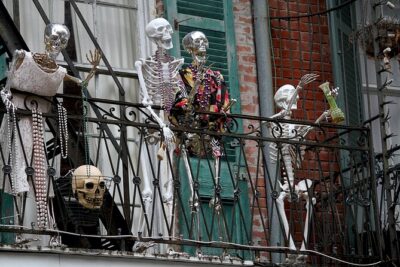
The tour also includes legends and lesser-known facts tied to real events. The best guides do not just share a spooky story and move on. They connect the story to a human outcome, a shift in community, or a reason a place became important.

And because the guide is a certified local, the storytelling is tied to lived knowledge rather than textbook-only framing. The point is not to overload you with names and dates. The point is to give you a framework so the French Quarter makes sense after the tour ends.

Walking Logistics That Matter: Uneven Surfaces, Narrow Sidewalks

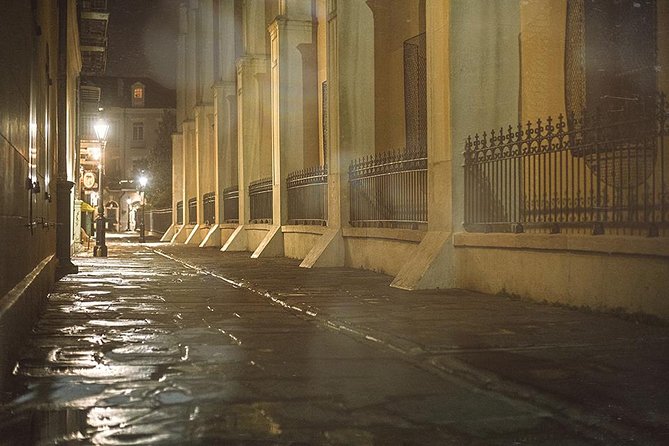
This is a walking tour, and the info is clear about comfort needs. You will encounter uneven surfaces, so comfortable shoes are essential. High heels are not allowed, and oversized luggage is also not allowed, which keeps the group moving smoothly.

What to bring is also straightforward and practical:

  • comfortable shoes
  • hat
  • camera
  • sunscreen
  • water

It is also smart to dress for weather. New Orleans can be hot and humid, and the tour includes walking outside.

On accessibility, the details are a little mixed. The tour lists wheelchair accessibility, but it also says it is not suitable for wheelchair users, and it warns that sidewalks may be narrow in some areas. If you use a wheelchair or have limited mobility, I would take that contradiction seriously. Plan to evaluate your comfort with narrow, uneven sidewalks in the French Quarter, not just the idea of “wheelchair accessible.”

Rules That Keep the Tour Respectful and Easy

French Quarter Tour with Local Guide and Creole Stories - Rules That Keep the Tour Respectful and Easy
Tours like this work best when everyone follows the same boundaries. The rules you provided include:

  • no smoking
  • no intoxication, alcohol, or drugs
  • no littering
  • no unaccompanied minors
  • no video recording
  • no audio recording

There is also a request for cultural sensitivity at certain locations. In a neighborhood like the French Quarter, that can mean respecting the spaces where people live, not just treating everything like a backdrop.

I also appreciate the no audio or video recording rule. It encourages you to listen in real time, and it helps the guide maintain a comfortable pace and tone.

Price and Value: Why $35 Can Actually Feel Cheap

French Quarter Tour with Local Guide and Creole Stories - Price and Value: Why $35 Can Actually Feel Cheap
The price is $35 per person for about 2 hours, including a 90-minute walking tour with a certified local guide. That sounds modest for a guide-led, story-based experience in the center of the French Quarter.

Here is where the value comes from:

  • You get a local certified guide, not a casual chat.
  • You get multilingual narration, so you can choose a language you actually understand.
  • You get personalized tips for the rest of your stay, which can save you time and money.

The included personalization is underrated. If you are arriving in New Orleans and want to spend your next day wisely, a guide who can point you toward the right kind of food, neighborhoods, or activities can be worth more than the tour price itself.

What is not included is transportation and museum admissions, so plan on getting yourself to the meeting point and paying for any extra attractions separately.

Who This Tour Fits Best (And Who Might Prefer Something Else)

This tour is a strong fit if you want:

  • Creole culture and history explained through stories, not just facts
  • a small-group feel, with up to 12 people
  • a guided route that mixes famous sights with quieter corners
  • multilingual options if you prefer to learn in Spanish, French, Italian, or English

It is especially good if this is your first time in the French Quarter. Starting with culture gives you a framework, so your later wandering feels more meaningful. You will also leave with practical advice for what to do next, which is handy when you have limited time.

Who might not love it? If walking uneven streets is difficult for you, you should think carefully. The tour is listed as wheelchair accessible, but it also notes it is not suitable for wheelchair users, which is a clear signal to plan around your mobility needs. Also, if you are looking for a drive-through tour where you never have to walk, this one will not match that style.

A Quick Look at Time, Groups, and What to Expect

Group size runs from a minimum of 4 to a maximum of 12. The tour mentions that if the minimum group size is not met, you may reschedule or upgrade to a private tour.

That matters because it helps protect the boutique feel. Smaller groups tend to get better interaction with the guide. In a story-based tour, conversation and questions are part of the value, not a bonus.

The tour time starts at 9:00 AM in English daily, with other languages rotating by day. Choose based on your language comfort, and aim to start early enough that you can still enjoy the rest of your day in the Quarter.

Should You Book This French Quarter Creole Stories Tour?

If you want a French Quarter tour that treats the neighborhood like a community, not a theme park, I think you should book this. The Creole storytelling is the heart of the experience, and the small group size makes it feel more personal.

I would book it if:

  • you care about culture and identity, not just landmarks
  • you like guides who share stories and connect them to real people
  • you want practical tips for the rest of your New Orleans trip
  • you can handle a walking tour on uneven streets for about 90 minutes

I might skip it if:

  • you need a low-mobility or fully step-free experience
  • you want a strictly museum-style, stop-by-stop itinerary with exact named sights

Overall, at $35, you are paying for a certified local guide plus storytelling plus useful next-step advice. For many first-time visitors, that is exactly the kind of “start here” experience that pays off as the city opens up.

FAQ

How long is the French Quarter Creole stories tour?

The tour runs about 2 hours total, and it includes a 90-minute cultural walking tour.

Where do I meet the guide?

Meet the guide in front of Pirate’s Alley Café at 622 Pirate’s Alley, New Orleans, LA 70116, behind St. Louis Cathedral.

What languages are available?

Tours are offered in English, Spanish, French, or Italian depending on the day.

What time does the tour start?

English tours are listed at 9:00 AM daily. Other language starts are at 10:00 AM on specific days.

How big are the groups?

The group size has a minimum of 4 participants and a maximum of 12.

Is the tour wheelchair accessible?

The tour information says it is wheelchair accessible, but it also lists it as not suitable for wheelchair users and notes that some sidewalks may be narrow. Plan carefully based on your mobility needs.

What should I bring?

Bring comfortable shoes, a hat, a camera, sunscreen, and water.

What is not allowed during the tour?

High-heeled shoes are not allowed. Other rules include no oversize luggage, no baby strollers, no smoking, no intoxication or drugs, no littering, no unaccompanied minors, and no video or audio recording.

Is transportation included, and is museum admission included?

Transportation and museum admissions are not included. This is a walking tour based at the meeting point.