New Orleans: Laura Creole Plantation Guided Tour

REVIEW · NEW ORLEANS PLANTATION TOURS

New Orleans: Laura Creole Plantation Guided Tour

4.8 · 396 reviews 1h 15m From $32 Operated by Laura: Louisiana's Creole Heritage Site · Bookable on GetYourGuide
Book on GetYourGuide →

You feel the weight of Creole Louisiana in every room. This 75-minute guided visit brings personal family stories and the reality of enslavement to life, plus 200-year-old gardens and outbuildings. I love the clear pacing and the way the tour keeps it human, but plan for the 15 steps and outdoor walking in all weather.

If you’re coming from New Orleans, you should treat this as a half-day outing in Plantation Country, not an in-town stop. I also like that you get time after the tour for the on-site exhibit, so the story has room to settle in. The price is a fair one, especially when you add the guided house plus the self-guided museum time, just remember no hotel pickup or transportation is included.

Key things to know before you go

New Orleans: Laura Creole Plantation Guided Tour - Key things to know before you go

  • Guided house, gardens, and enslaved quarters in about 70 minutes, then time to explore the museum at your own pace
  • Four generations of Louisiana Creole family stories, told from handwritten memoirs and archival documents
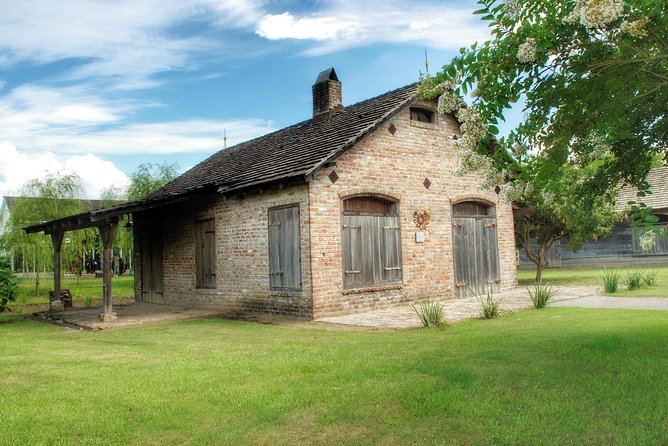
  • Original 1840s slave cabins tied to Louisiana Compair Lapin stories
  • The 1805 Maison Principale, a traditional Louisiana Creole raised house with galleries and multiple interior rooms
  • A property tour through 12 National Register buildings, including animal barns, overseers’ cottages, and the 1829 Maison de Reprise
  • English and French live guiding, plus written translations in French, Spanish, Italian, and German

Laura Plantation in 75 Minutes: what makes this visit so different

New Orleans: Laura Creole Plantation Guided Tour - Laura Plantation in 75 Minutes: what makes this visit so different
Laura Plantation is one of those places where the setting is gorgeous, but the point is serious. You walk the main house, the gardens, and the enslaved quarters, and the tour guide connects them with real names, real family memories, and records that reach back to both the United States and France. That’s what makes this feel more than a list of facts. It’s structured like a set of connected stories, anchored to specific buildings and lived-in spaces.

I also like how the tour sets expectations early: you’re not just touring pretty architecture. The experience is built around the “free and enslaved members of the Creole families” who lived and worked on the sugar plantation. You’ll hear intimate stories tied to the 1805 Maison Principale and the original 1840s slave cabins, so the house and the quarters are not treated like separate worlds.

The big consideration is physical and timing based. The tour takes place rain or shine, includes both indoor and outdoor walking, and you climb and descend 15 steps to access the Maison Principale. There’s no elevator, so you’ll want comfortable shoes and a realistic plan for stairs.

Getting there from New Orleans: plan for time and traffic

New Orleans: Laura Creole Plantation Guided Tour - Getting there from New Orleans: plan for time and traffic
This stop is on the West bank of the Mississippi, in Plantation Country, and the address is 2247 LA-18. That matters because you should plan for drive time and traffic on the way out. It’s also why I recommend not stacking your day too tightly. Give yourself slack to handle roads and weather, and you’ll arrive less stressed.

The meeting point is straightforward, but you’ll want to find it before you’re rushed: check in at the admissions window inside the Laura Plantation Gift Store. If you’re the type who hates last-second hunting, do a quick look around when you arrive and identify the check-in window first.

One more practical note I keep in my back pocket: avoid assuming you can taxi your way in and out smoothly. If you do use taxi service, the guidance is clear that you should not take taxi service to the plantation unless your driver will wait in the parking lot for you. Translation: don’t plan a grab-and-go ride where the car disappears once you step out.

Start at the gift store, then step into the Creole raised-house world

New Orleans: Laura Creole Plantation Guided Tour - Start at the gift store, then step into the Creole raised-house world
Your tour begins with a photo stop at the plantation, then moves into the guided portion. The heart of the guided experience is the 1805 Maison Principale, a traditional Louisiana Creole raised house. Even before you learn the details of the rooms, the raised structure tells you how the family designed for life in that environment.

You’ll also notice the guide’s approach: the building is used as a timeline. As you move through spaces, the story shifts between the family’s household life, the plantation’s working system, and the lives of people who were enslaved there. The tour isn’t just describing the house as architecture. It treats the rooms as containers for what happened there.

Inside, you’ll have access to spaces like the raised basement and galleries, and you’ll see things such as men’s and women’s parlors, service rooms, and common rooms. For me, that room-by-room structure is key. It keeps the narrative grounded, because you’re always linking what you’re hearing to a physical spot you can stand in.

Then there’s the practical part: the stair access. You will climb and descend 15 steps to access the Maison Principale, and there’s no elevator. If your feet are sensitive, wear shoes with good grip and take your time. The tour is scheduled and paced for walking, but this is still real steps, not a quick threshold.

Listening to four generations: the human scale of the story

New Orleans: Laura Creole Plantation Guided Tour - Listening to four generations: the human scale of the story
What I love most is that the tour builds toward the same question again and again: who lived here, what did they remember, and what did the plantation system do to everyday lives. You’ll hear stories from four generations of a Louisiana Creole family, including accounts that mix free family experiences and enslaved experiences.

The source material is part of what makes the telling feel grounded. The stories you hear are gleaned from handwritten memoirs and archival documents from the United States and France. That means the guide isn’t just talking in generalities or generic plantation tropes. The narrative is tied to written accounts and documents.

The best tours also handle questions well, and this one is built around the guide stopping to explain when the group needs it. In the past, guides like Renee and Pam have been praised for being patient and for answering the questions people had. Lindie, James, and Kristen have also been noted for strong explanations and passion for the topics. You can expect a guide who knows how to keep the pace readable for a mixed group.

English and French guiding is available, and that can be a big deal if you’re traveling with someone who prefers a specific language. Even if you don’t speak both, the option can help you choose a time slot that matches your group.

Original 1840s slave cabins and the Louisiana Compair Lapin connection

New Orleans: Laura Creole Plantation Guided Tour - Original 1840s slave cabins and the Louisiana Compair Lapin connection
A tour like this can go wrong if it treats the enslaved quarters as an afterthought. Here, the enslaved community is central. The tour includes the original 1840s slave cabins, and those cabins are tied to Louisiana Compair Lapin stories that were recorded there.

That detail matters because it brings culture into the conversation, not as decoration, but as something that formed in real conditions. It also reinforces that the plantation site held more than labor and punishment. It held family life, community memory, and storytelling.

When you tour those cabins on-site, you’re not getting a remote lecture. You’re seeing the structures where people lived and worked within the plantation’s system. The tour is designed so you move through the main house and then into the quarters, which helps you understand the plantation as one connected place rather than two separate attractions.

The emotional tone is serious, and you should go in knowing that. The experience includes the authentic story of enslaved Africans on this Créole farm, and the permanent museum exhibit continues that focus.

Inside and around the Maison Principale: rooms, service spaces, and galleries

New Orleans: Laura Creole Plantation Guided Tour - Inside and around the Maison Principale: rooms, service spaces, and galleries
The guided portion is concentrated, about 70 minutes. That’s long enough to see multiple rooms and multiple meanings in the same spaces, but short enough that you’re not trapped inside while the story waits outside.

As you access the raised basement and galleries, you’ll get a stronger sense of how the house functioned both as a family home and as an office for the sugar plantation. The guide also walks you through specific categories of rooms: men’s and women’s parlors, service rooms, and common rooms. This matters because it mirrors how power and daily work were organized inside the house and how routines were managed.

And since the house dates to 1805 and has been restored to the time when it functioned as that mixed family-and-office space, you’re not just viewing an old building. You’re stepping into a restored snapshot meant to help you picture the plantation’s rhythm.

One more thing I appreciate is that the tour doesn’t just stop at the house. After you’re done with the Maison Principale portion, you move onto the grounds, where the story expands again with outbuildings and gardens.

Plantation grounds tour: 12 National Register buildings plus gardens

New Orleans: Laura Creole Plantation Guided Tour - Plantation grounds tour: 12 National Register buildings plus gardens
The grounds tour is where you really feel the scale of plantation life. You walk through multiple buildings listed on the National Register and see how the plantation supported work every day.

You’ll visit 12 buildings on the grounds, including animal barns and overseers’ cottages. You’ll also see the 1829 Maison de Reprise, another major building on-site. I like that the tour uses these outbuildings to explain how the plantation operated beyond the main house. It’s a reminder that a plantation was a working system, not just a mansion plus farmland.

Then there are the gardens, which add a different texture to the visit. The tour includes 3 gardens: Jardin Français, the kitchen potager, and BananaLand grove. These gardens aren’t just pleasant scenery. They help you understand plantation agriculture as something that touched day-to-day life at multiple levels, from household food production to the farm’s broader operations.

Because this portion is outdoors, plan for weather. The tour takes place rain or shine, and you should bring an umbrella. Even if you think you’re tough, Louisiana rain can be sudden and heavy. A small umbrella changes how comfortable you feel, and it keeps you from rushing while photos and walking continue.

Museum time after the tour: a chance to process the full exhibit

New Orleans: Laura Creole Plantation Guided Tour - Museum time after the tour: a chance to process the full exhibit
After the guided portion ends, you can tour the onsite museum exhibit on your own. It’s called From the Big House to the Quarters: Slavery on Laura Plantation, and it’s dedicated to telling the authentic story of the enslaved community on this Créole farm.

This museum time is worth treating as part of the experience, not a casual extra. The guided tour gives you stories tied to places, but the exhibit can help you connect those stories into a clearer picture. Since you’ll be walking both indoor and outdoor spaces during the guided time, having a self-paced exhibit afterwards can help you slow down.

You can also choose how long to stay in the museum depending on your energy. If you want to move quickly, you can. If you want to read details and reflect, you can also do that.

Price and value: is $32 worth 75 minutes?

New Orleans: Laura Creole Plantation Guided Tour - Price and value: is $32 worth 75 minutes?
At $32 per person for about 75 minutes, the value depends on how you like to travel. If you love guided context and you prefer a structured route, this is a strong deal. You get a live guide, a walk through the main house and gardens, access to enslaved quarters, and time for the permanent museum exhibit.

A big part of the value is the combination. Many attractions give you one or the other, architecture without the human story, or storytelling without the physical spaces. This tour ties the narrative to specific rooms, cabins, outbuildings, and gardens, and then it reinforces everything with the museum exhibit.

Also, free parking is included, which can matter on trips outside New Orleans where getting to the site is half the battle. And tours are available in English and French, which helps if you’re traveling as a couple or small group with different language comfort levels.

On the flip side, the price does not include food or drinks, and there’s no hotel pickup or drop-off. So you’ll want to handle your own meals and transportation plans. Still, with those caveats, $32 feels like fair pricing for the time and the content.

Who this tour is best for (and who should skip it)

This experience is for people who want the plantation story told in an on-site way, with a focus on both the Creole family narrative and the authentic story of slavery on the property. If you like guided explanations, you’ll likely enjoy how the tour uses rooms and buildings as anchors for memory and records.

It is not suitable for children under 12. That’s important to respect, since the topic is difficult and the tour includes stairs and outdoor walking.

If you’re traveling with older teens or adults who can handle heavy topics respectfully, the tour can work well. And if you’re a photo-friendly traveler, personal-use photography is allowed, which means you can capture the spaces you’re learning about without feeling like every stop is off-limits.

Practical tips: shoes, umbrellas, and what you cannot bring

Here’s how to show up so the tour feels smooth instead of annoying.

Wear comfortable shoes with grip. You’ll be walking indoors and outdoors, and you’ll climb and descend 15 steps to reach the Maison Principale. Plan your pace so you don’t feel rushed on the stairs.

Bring an umbrella since the tour runs rain or shine. If rain is in the forecast, you’ll thank yourself.

Know the rules. Smoking is not allowed. Selfie sticks are not allowed. Food and tripods are not allowed. Video recording is not allowed.

If you’re a bag person, note that backpacks are not allowed. That can affect what you bring from the parking area, so travel light.

One other small planning detail that helps: written translations of the guided tour are available in French, Spanish, Italian, and German. That can be useful if you want to follow along at your own reading pace while still hearing the live guide.

Should you book the Laura Creole Plantation guided tour?

I’d book this tour if you want a structured, respectful, on-site way to understand Creole Louisiana through a real plantation setting. The pairing of the 1805 Maison Principale, original 1840s slave cabins, and the self-guided museum exhibit is a strong use of time. For the $32 price, the value comes from getting both the main house story and the enslaved community story in one coherent route.

Skip it if stairs and outdoor walking are a deal-breaker for you, or if you’re traveling with a child under 12. Also, if you hate weather exposure, remember the tour runs rain or shine and you’ll be outside during the grounds and garden walk.

If you’re heading from New Orleans, go in with extra buffer for driving and traffic, and check in at the admissions window inside the gift store. Do that, wear good shoes, bring an umbrella, and you’ll be set for a meaningful visit.

FAQ

How long is the Laura Plantation guided tour?

The guided tour is about 75 minutes total, with the guided portion lasting around 70 minutes and time to visit the permanent exhibit after.

Where do I check in?

Check in at the admissions window inside the Laura Plantation Gift Store.

What is included with the ticket?

You get the guided tour of the buildings and gardens, plus a self-guided visit to the permanent exhibit From the Big House to the Quarters: Slavery on Laura Plantation. Free parking is also included.

Which languages are available?

The live tour is available in English and French. Written translations of the guided tour are available in French, Spanish, Italian, and German.

Do I need transportation from New Orleans?

Hotel pickup and drop-off are not included, and transportation is not included. You are responsible for getting to the meeting point at 2247 LA-18.

Is the tour offered in bad weather?

Yes. The tour takes place rain or shine.

Are there stairs, and is there an elevator?

Yes, you will climb and descend 15 steps to access the Maison Principale. There is no elevator.

What should I bring?

Bring comfortable shoes and an umbrella.

What is not allowed during the tour?

Smoking, selfie sticks, food, tripods, backpacks, and video recording are not allowed.

Is it suitable for children?

It is not suitable for children under 12.

Is free cancellation available?

Yes. You can cancel up to 24 hours in advance for a full refund.