Eras of New Orleans: A History Lover’s Walking Tour

REVIEW · WALKING TOURS

Eras of New Orleans: A History Lover’s Walking Tour

5.0 · 77 reviews 2 hours (approx.) From $27 Operated by Witches Brew Tours · Bookable on Viator
Book on Viator →

New Orleans gets personal on this French Quarter walk. This 2-hour history lover route strings together the city’s indigenous roots, Spanish-French turns, and American-era shocks, using street-level stories you do not usually hear on the typical sights-only tours.

I like two things the most. First, the guide brings real continuity to the landmarks, not just dates, and I love that the narration includes voices and angles that many mainstream tours skip. Second, I appreciate the money logic here, the tour price is set for a group, and the finale at one of the city’s oldest bars works well as a low-pressure hangout with BYOB at the end.

One thing to consider: this is a walking tour with moderate fitness demands, and the French Quarter terrain can be uneven. Wear solid shoes and plan for frequent stops and lots of talking.

Key things to know before you go

Eras of New Orleans: A History Lover's Walking Tour - Key things to know before you go

  • A French Quarter route built by eras, so you see how the city changes over time
  • Stronger storytelling than typical landmark tours, with less-common angles and characters
  • A group format for value, capped at 22 people
  • Mix of free and paid entry moments, with some stops marked as admission not included
  • A voodoo and faith stop that treats the topic as history and culture, including Marie Laveau
  • A BYOB ending at Lafitte’s Blacksmith Shop Bar, one of the oldest operating bars

A history lover’s walk through New Orleans’ eras

Eras of New Orleans: A History Lover's Walking Tour - A history lover’s walk through New Orleans’ eras
This tour is designed for people who want more than photos. You do not just pass by famous spots, you get the why behind them. That means the walk feels like a timeline moving through real streets, with consequences attached to each turn.

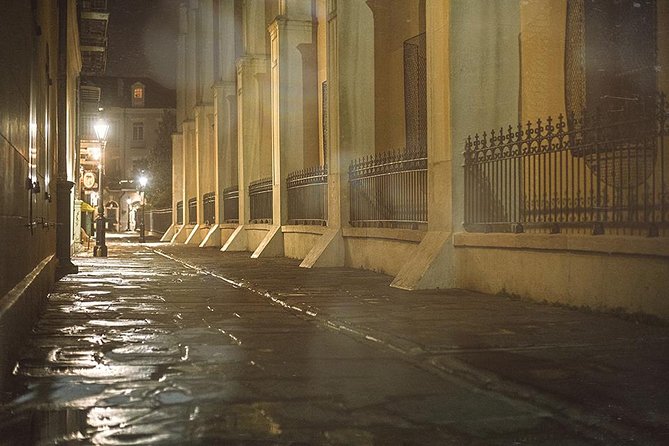
The French Quarter is the right setting for this style of tour. The area is compact, walkable, and packed with buildings that have been reused, rebuilt, and reinterpreted for centuries. When your guide connects Jackson Square to later eras, then links those shifts to what you see on Royal Street, it makes the whole neighborhood feel like a living document rather than a checklist.

I also like how the pace supports understanding. Even though it is only about two hours, you get dedicated time at several stops instead of a quick in-and-out sprint. That helps if you like to actually keep notes in your head. It also helps you catch themes, like how trade, conflict, and disease shaped daily life, not just rulers and flags.

If your goal is strictly relaxation, this might feel like a lot. You will be walking and listening the whole time, and the stories are dense. If you prefer your history light and breezy, you may want to balance this with other free-time activities.

You can also read our reviews of more walking tours in New Orleans

Price and what $27.99 buys you on the ground

Eras of New Orleans: A History Lover's Walking Tour - Price and what $27.99 buys you on the ground
The price is $27.99 per person, and the value here is mostly about structure. You are paying for a live guide and a guided route that connects multiple major landmarks into one coherent story, instead of buying separate admissions and hoping you understand how it all fits together.

Also, group tours can be a smart deal in New Orleans, because the French Quarter rewards context. Without a guide, you can still enjoy the architecture and vibes, but you may miss the threads that explain why certain buildings exist where they do, why some stories are repeatedly told, and why others are often ignored.

Practical upside: you get a mobile ticket, and you can book with an English-speaking guide. You will likely be planning around the afternoon start, 1:30 pm, which matters because the Quarter gets busy later. Booking ahead also helps. On average, this tour is booked about 28 days in advance, so if you are traveling in a peak season, earlier is better.

Here is the careful note I would share before you commit. Like many small-group experiences, this tour depends on a minimum number of travelers. That means cancellations can happen if enough people do not sign up. If that would stress you out, consider booking a backup time slot, or be ready with a flexible plan.

From Jackson Square to a city’s earliest turning points

You start at Witches Brew Gallery & Haunted Sanctuary, 311 Exchange Place, at 1:30 pm. From there, the route begins with Jackson Square, which is exactly where you want to start if you care about how the city got its shape.

At Jackson Square, you get a foundation story with several layers. You learn about the earliest settlers and how the city began. Then the narrative moves into darker and more complex chapters, including slave rebellions. You also hear about a specific woman tied to this history, Michaela Almonester, and how her story fits into the larger arc of the city.

This is a strong opening stop because it sets expectations. You are not waiting for the guide to explain the basics later. The tour hands you context upfront, so when you see other landmarks, you can attach them to meaning right away.

One small logistical note: Jackson Square is a public hub. That is part of the charm, and it also means you will notice crowds and passersby. If you want quiet, sit where you can hear, and give yourself a second to adjust before the story starts.

St. Louis Cathedral: trade, smuggling, and why the outside matters

Eras of New Orleans: A History Lover's Walking Tour - St. Louis Cathedral: trade, smuggling, and why the outside matters
The next major anchor is the St. Louis Cathedral, and you view it from the outside. The tour does not focus on ticketed interior sightseeing here, which keeps the schedule smoother and avoids turning the experience into a line-management exercise.

What you do get is the story of early economics and the role of shadowy activity in the city, including smuggling and piracy. That angle is a smart match for the Cathedral’s setting. It reminds you that this part of New Orleans was never isolated. People traded, moved goods, and made money, even when the systems were unfair or dangerous.

The outside-view format is also a practical choice for travelers. If you have limited time in the Quarter, you still get a meaningful connection to one of the city’s most recognizable buildings. And if you decide you want interior time later, you can choose it on your own terms.

In terms of your expectations, this stop is shorter, around 10 minutes. The story is still pointed, but it is designed to keep the momentum moving through the walk.

Voodoo Authentica and Marie Laveau, myth vs. history

Eras of New Orleans: A History Lover's Walking Tour - Voodoo Authentica and Marie Laveau, myth vs. history
Then you head to Voodoo Authentica for a stop that can be the highlight for many people, especially if you have always been curious about New Orleans voodoo but did not want the usual sensational treatment.

Here, you hear what New Orleans Voodoo is, what it is not, and why the distinction matters. You also learn about Marie Laveau, often referred to as the Voodoo Queen, and you get her connected to the broader cultural context of the city.

I like this approach because it treats belief as part of history, not as spooky entertainment. In a city where festivals, cemeteries, and community traditions all carry layers of meaning, you need a guide who explains respectfully and clearly.

Your practical expectation: this stop is about 10 minutes, so you are not getting a full workshop. It is an introduction designed to reframe what you think you already know. If you want to go deeper afterward, this tour gives you the right questions to ask.

As with several other stops, admission is not included. So if there is anything you want to pay to see inside a related space, plan for that separately.

You can also read our reviews of more historical tours in New Orleans

The Ursuline Convent Museum and early life shaped by the nuns

Eras of New Orleans: A History Lover's Walking Tour - The Ursuline Convent Museum and early life shaped by the nuns
The next stop is the Old Ursuline Convent Museum area, where the focus shifts from spirituality to education and social life. You learn about the Ursuline nuns, how they came to New Orleans, and how their impact shaped early life in the city.

This is a valuable stop because it balances the dramatic parts of New Orleans storytelling. You still get conflict, faith, and transformation in earlier chapters, but here you see what people built for everyday survival. Education, structure, and community roles show up as part of how the city endured.

If you care about how social systems form, this stop gives you something concrete to think about later. It also helps the tour feel less like a string of unrelated stops and more like a story of how people organized life, even under pressure.

The stop time is about 20 minutes, which is one of the longer segments. It suggests the guide expects people to absorb and compare this layer with what you heard earlier.

Admission is not included for this stop, so again, do not count on getting inside unless you decide to pay on your own.

919 Royal Street: yellow fever, fires, and what survives

Eras of New Orleans: A History Lover's Walking Tour - 919 Royal Street: yellow fever, fires, and what survives
At 919 Royal St, you get a shift to the 18th and 19th century, with two major forces shaping the city: yellow fever and repeated fires.

This stop matters because it explains why New Orleans looks the way it does today. Disease and disasters are not just sad footnotes. They change populations, economics, building styles, and who rebuilds what. When a city keeps getting knocked down and rebuilt, you start seeing the urban version of adaptation.

The best part of this stop is the connection between catastrophe and continuity. Buildings and streets remain, but the meaning attached to them can change dramatically over time. That is exactly what a history lover’s tour should help you notice.

You do not need to buy admission here, since this stop is marked as free. That keeps it accessible and keeps the guide focused on the story instead of turning your time into ticket logistics.

Madame John’s Legacy and why architecture tells the truth

Eras of New Orleans: A History Lover's Walking Tour - Madame John’s Legacy and why architecture tells the truth
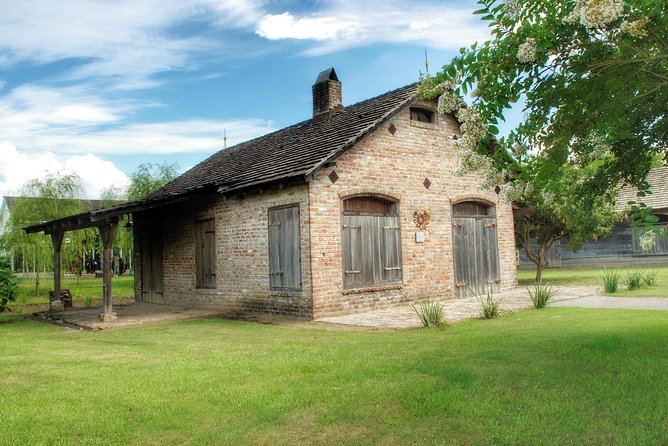
Then the walk turns to architecture at Madame John’s Legacy. This stop is short, about 10 minutes, but it has an important job: help you see the Quarter as a design archive.

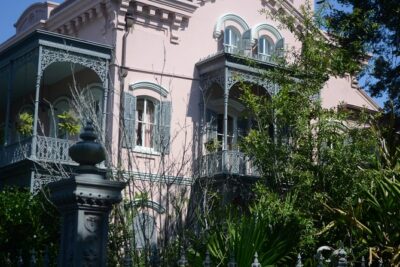
You hear about different types of New Orleans architecture and what makes it unique. That kind of framing is useful because it gives you a lens for everything you see after the tour ends. Even if you do not remember every detail, you will start noticing patterns, materials, and design choices that reflect the city’s climate and history.

Architecture in the French Quarter is also not just about beauty. It is about how people responded to heat, floods, and the city’s repeated rebuilding cycles. When the guide connects building forms to those realities, it makes the neighborhood feel more logical, less random.

Admission is not included for this stop, so you are mainly getting the exterior and story context during the walk.

Lafitte’s Blacksmith Shop Bar, the oldest operating finale

The last stop is Lafitte’s Blacksmith Shop Bar on Bourbon Street, where the tour ends. This is billed as one of the oldest operating bars in the city, and the closing time is short, around 5 minutes.

Even though it is brief, the ending is smart. After all the history, you get a social moment that lets the stories settle. And because alcoholic beverages are not included and the experience is BYOB, you have more control over your spending.

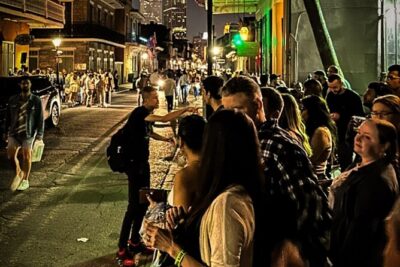
Practical advice: bring your own drink only if that is your comfort level. Some people like to arrive with water first, then decide later. Also, plan for the fact that Bourbon Street can be noisy. If you are sensitive to loud crowds, you can still grab the bar area and listen for a bit without staying in the thick of it.

This final stop also turns the walk into a complete experience. You start with public square meaning, you move through cultural and social history, and you end with a place where the city’s social life has long continued.

Who should book this walking tour?

Book it if you love history that connects. This is ideal for people who want a guide to thread together the indigenous, Spanish, French, and American eras and explain how those shifts affected daily life. It also fits architecture fans, especially if you like understanding why buildings look the way they do.

You should also consider it if you want stories with a sharper edge. The tour includes topics like slave rebellions, smuggling, piracy, and the cultural history around voodoo and Marie Laveau. This is not only pleasant postcard material.

Skip it, or at least rethink it, if you want a light, casual stroll. The stories are heavy and detail-focused. One guide can sound like he is speaking in a structured, almost textbook-like way, and if you are bringing younger kids or you prefer shorter explanations, you may find the pacing less fun than you hoped.

Because the route covers uneven French Quarter terrain, bring sturdy shoes and aim for moderate physical comfort. Service animals are allowed, and the tour is near public transportation, which helps if you want an easy way back after the walk.

FAQ

How long is the Eras of New Orleans walking tour?

It lasts about 2 hours.

What does it cost?

The price is $27.99 per person.

Where do I meet the guide and where does the tour end?

You start at Witches Brew Gallery & Haunted Sanctuary, 311 Exchange Pl, New Orleans, LA 70130. The tour ends at Lafitte’s Blacksmith Shop Bar, 941 Bourbon St, New Orleans, LA 70116.

What language is the tour offered in, and do I get a mobile ticket?

The tour is offered in English, and you receive a mobile ticket.

What is included in the tour price?

A live guide is included.

Is alcohol included at Lafitte’s?

No. Alcoholic beverages are not included, and the tour is BYOB.

How large is the group?

The tour has a maximum of 22 travelers.

Can I cancel for a full refund?

Yes. You can cancel up to 24 hours in advance for a full refund. Weather cancellations may offer a different date or a full refund, and cancellations due to minimum traveler requirements may offer a different date or a full refund.

Should you book this French Quarter history walk?

If you want your New Orleans time to feel like a story, not a scan-and-go photo run, I think you will enjoy this. The route tackles big themes in a short span, and you end in a classic bar to decompress.

I would book it especially if you care about the city’s turning points and you like guides who connect ideas across landmarks. If your main goal is a casual stroll with minimal listening, or you need something very kid-friendly and flexible, look for a less history-dense option.