

REVIEW · NEW ORLEANS PLANTATION TOURS
Whitney Plantation Tour with Transportation
A plantation tour that hits hard. This New Orleans excursion to Whitney Plantation pairs roundtrip transportation with a narrated audio guide that keeps the focus on the people behind the history. You’re not just driving out to see old buildings, you’re walking through grounds designed for remembrance.
I love that the visit centers on the everyday details, from original slave cabins to what the artifacts can tell you about work and survival. I also like that the route is built for comfort and convenience, with an air-conditioned bus and admission handled as part of the package.
One consideration: if you hate strong AC, plan for it. There are reports of the bus running very cold and service feeling uneven, so bring a light layer and set your expectations accordingly.
Key points to know before you go

- Roundtrip pickup in the French Quarter area saves time and hassle once you’re in New Orleans
- Audio guide style helps you pace yourself through serious subject matter
- Onsite artifacts and cabins focus on daily life, not just dates and names
- Chapel and spiritual context add a different, personal layer to the story
- Small group size (max 25) makes the experience feel more controlled and manageable
Getting out of New Orleans: pickup, timing, and what the bus ride means

This tour is designed as a half-day plus, about 5 hours 30 minutes total. You start at 1:00 pm, but you should be ready earlier. Pickup begins around 12:30 pm at the Homewood Suites by Hilton New Orleans French Quarter, specifically in the bus loading area at 317 N Rampart St. Look for a sign with the tour company name.
For me, the biggest value is simple: you get transportation without having to figure out a rental car, parking, or public transit schedules. In New Orleans, that alone can make the day feel smoother, especially if you plan to do other things the same evening.
Also note how the day is paced. The time budget includes both the trip out and back, so your actual time on the Whitney grounds is not an all-day commitment. That can be a good thing. The subject matter is heavy, and a shorter, structured visit helps you stay present without feeling dragged along.
More plantation visits from New Orleans, with the history kept in view



Whitney Plantation: why this visit matters beyond the buildings
Whitney Plantation was founded in 1752, but what makes it more than a stop on a history list is the way it treats the people who lived and worked there during slavery. The grounds are set up for education and remembrance, with exhibits and spaces that help you understand that this was not abstract history.
The experience is built around a narrated audio guide, so you get context while you move. That matters because slavery-era plantation life can be easy to oversimplify, especially when you only see large structures from the outside. Here, you’re guided to notice the lived-in parts of the property, the work setting, and the realities tied to that work.
You’ll see a chapel onsite that offers spiritual guidance for descendants who still live in the area today. Even if you’re not planning to have a religious moment, this part changes the tone of the visit. It makes the site feel less like a museum display and more like something tied to ongoing memory.
What you’ll see during the guided walk: cabins, exhibits, and the work behind the work
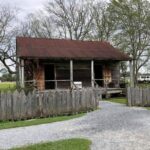
The heart of the visit is about walking through what remains and what has been preserved. You can expect to encounter original slave cabins, plus exhibits featuring artifacts. The artifacts aren’t just decorative. They include real, tangible items such as clothing, tools, and furniture, and even references to old sugar cane fields.
That mix of spaces and objects is one of the strongest reasons to do this tour with the audio guide rather than trying to read everything on your own. The guide helps connect the dots, so you can connect a cabin you’re standing in to the kind of labor and daily routines the items represent.
Here’s a practical way to approach it: take your time in the cabin areas, and don’t rush through the exhibit items. If you skim, you’ll miss what the artifacts communicate. Even small things like tools and household objects often carry the clearest evidence of work patterns and constraints.
You should also be ready for a slower emotional tempo. This is not a quick photo stop. The place is arranged to confront, educate, and remember, so plan for moments where you might just need to stand still and absorb.
The audio guide experience: pacing, clarity, and how to get the most out of it

You’re given a narrated audio guide for the tour, and that style is a big part of why the visit works. Audio does two helpful things at this type of site. First, it gives you historical context right as you’re looking at something. Second, it helps you pace yourself, which is crucial for a topic this intense.
If audio tours can sometimes feel repetitive to you, this one still has a practical advantage: you can pause when you need to. Move on when you feel ready. That control is especially useful on a plantation, where you naturally slow down because the grounds make you walk.
One tip: wear comfortable shoes and expect some walking as you move between the cabins, exhibits, and chapel areas. If you’re visiting in Louisiana heat, even a short walk can feel longer. Dress for the weather, and you’ll enjoy the experience more because you’ll be less distracted by discomfort.
Transportation from New Orleans: air-conditioned comfort with one real-world caveat

Included with the tour is air-conditioned vehicle service from New Orleans. That’s a real perk on a warm Louisiana day. It also means you’re not worrying about timing a shuttle, finding parking, or negotiating rides at the end of a heavy visit.
Still, here’s the drawback to plan around: there are mentions that the bus can run extremely cold. If you tend to get chilled easily, bring a light jacket or layer you can put on right away. The goal is to keep the day comfortable without turning it into an extra thing you have to manage.
The group limit is 25 travelers max, which is another practical plus. Larger groups can make it harder to stay focused during stops, especially when you’re doing an audio-guided experience. A smaller cap generally keeps logistics simpler and helps the ride feel more manageable.
A few more ways to spend the day around New Orleans





Price and value: what $89.55 buys you, and what the extra fee means

The price is $89.55 per person, and the package includes roundtrip transportation plus admission to Whitney Plantation. It also includes air-conditioned vehicle service and notes that all fees and taxes are included.
There is one extra cost detail to watch: a 7.9% processing fee is added to your payment. That means your total may be slightly higher than the headline price. When you’re comparing options, treat $89.55 as the base, then factor that processing fee.
Is it good value? For most people, yes, because you’re paying for three things together:
- getting out to the plantation and back from New Orleans
- admission included
- and a guided structure via the audio format
If you tried to do it independently, you’d likely spend time handling transport, ticketing, and scheduling. With this tour, the schedule is already built and the admission piece is handled.
The key is fit. If you like structured days where someone else manages the timing and you can focus on the site, this pricing makes sense. If you prefer full DIY freedom and you’re confident with local transport planning, you might find cheaper options. But you’d be trading away the simplicity of pickup and admission bundled together.
Who should book this Whitney Plantation tour with transportation

This tour is a strong match for you if:
- you want a straightforward half-day outing from New Orleans with minimal planning
- you prefer a guided narrative instead of reading everything on your own
- you’re comfortable with serious content and want a remembrance-focused experience
It’s also a practical choice for first-timers to New Orleans who feel overwhelmed by driving outside the city. The pickup setup keeps the day efficient.
If you have mobility concerns, the tour says most travelers can participate, but you should still plan for walking across grounds. Comfortable shoes matter, and Louisiana weather can add to the effort.
If you’re traveling with service animals, service animals are allowed, which is another helpful point for planning.
Small practical tips that make the day better

Louisiana heat and sun can sneak up on you, even when your visit is only a few hours. The tour guidance suggests bringing water and sunscreen, and dressing comfortably for the weather. I’d also add one more thing that matches the site and the bus: bring a light layer.
- Bring water and sunscreen, then use them early, not only when you feel thirsty.
- Wear shoes with good grip for walking across the grounds.
- If AC bothers you, pack a thin jacket for the bus ride.
- If you’re sensitive to the emotional weight of historical sites, plan to take a quiet break after you return to New Orleans, so your brain can reset.
The best days at Whitney Plantation tend to be the ones where you slow down. You don’t need to sprint from stop to stop. You need time to read, listen, and look carefully.
Should you book it? My honest take
Book this Whitney Plantation tour with transportation if you want a smooth, structured way to experience a slavery-focused site with a narrated audio guide. The combination of admission included, roundtrip pickup, and a walk-through format that highlights cabins and artifacts makes it a practical choice, not just an emotional one.
Skip or reconsider if you’re hoping for a very social, light bus experience, or if you strongly dislike cold air. In that case, plan your wardrobe and set expectations. Also, because the tour requires good weather, you should be comfortable with the possibility of rescheduling.
Overall, this is the kind of outing that helps you understand history with your feet on the ground and context in your ears. If that’s what you want from a New Orleans trip, this is a solid way to do it.
FAQ
How long is the Whitney Plantation tour with transportation?
The total duration is about 5 hours 30 minutes.
What is the price per person?
The tour costs $89.55 per person, with a 7.9% processing fee added to your payment.
What does the tour include?
It includes air-conditioned vehicle transportation and all fees and taxes, and it also includes admission to Whitney Plantation.
What time is pickup, and where do we meet?
Pickup starts at 12:30 pm. You meet in the bus loading area of the Homewood Suites by Hilton New Orleans French Quarter at 317 N Rampart St, where you will see a sign with the company name.
Is the tour in English?
Yes, it is offered in English.
How many people are on the tour?
There is a maximum of 25 travelers.
What should I bring for the weather?
Wear comfortable clothes for the weather. Bring water and sunscreen, since Louisiana sun can be intense.
Is there a cancellation policy if the weather is bad?
You can cancel for free up to 24 hours in advance for a full refund. The experience requires good weather, and if it is canceled due to poor weather, you will be offered a different date or a full refund.
More Tour Reviews in New Orleans






More Whitney Plantation Tours in New Orleans
More Plantation Tours from New Orleans

More ways into New Orleans


New Orleans Plantation Tours, compared.
 ★ 5.0Swamp Boat Ride and Oak Alley Plantation Tour from New OrleansFrom $1313,303 reviews
 ★ 4.5Oak Alley Plantation Tour with Transportation from New OrleansFrom $891,747 reviews
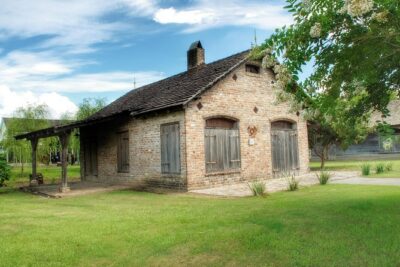 ★ 4.5Whitney Plantation Tour with Transportation from New OrleansFrom $891,351 reviews
 ★ 5.0Laura Creole Plantation Guided TourFrom $321,279 reviews
 ★ 4.5Airboat and Plantations Tour with Gourmet Lunch from New OrleansFrom $2791,246 reviews
 ★ 4.7Bayou Swamp Tour and Oak Alley Plantation TourFrom $1251,147 reviews
 ★ 4.7Oak Alley Plantation & Airboat Swamp Combo TourFrom $160906 reviews
 ★ 4.5Oak Alley Plantation and Large Airboat Swamp Tour from New OrleansFrom $160712 reviews
Browse the lists this tour appears in