

REVIEW · NEW ORLEANS PLANTATION TOURS
Whitney Plantation and Soul of New Orleans City Tour Combo
A hard day, well planned, and deeply human. This combo pairs a self-guided Whitney Plantation audio tour with a plantation-to-city contrast that helps you connect what slavery looked like on the ground versus what it looked like in urban neighborhoods. You get round-trip transportation that takes the stress off, so you can focus on the meaning.
I especially like how the day gives you emotional context without turning it into a show. On the New Orleans side, you might spend time with a local guide such as Jay or Jeremy, who can connect stories to specific places you can actually stand in. And the pacing includes short stops, so you are not stuck in the bus the whole time.
One consideration: Whitney is self-guided by audio, so if you want to ask lots of on-site questions, you may feel limited. Also, there is no restroom on board, so you’ll want to time your breaks and have a plan before you leave.
Key things to know before you go

- Respect-first Whitney visit with original buildings and memorials, plus a Wall of Honor for names of more than 350 enslaved people
- Audio self-guided format at Whitney, with major moments like the Field of Angels sculpture
- Urban tour stops tied to real local sites, including stories connected to the Katrina aftermath
- Congo Square on the itinerary, often framed as the birthplace of jazz through African heritage celebrations
- A short Studio BE stop (about 15 minutes), giving you a quick look at contemporary local culture
A respectful day that pairs Whitney with New Orleans neighborhoods
This is not a casual sightseeing loop. It is a full, structured day that asks you to pay attention. Whitney Plantation keeps the focus on the enslaved people who lived and worked there, with exhibits built around memorializing real individuals and acknowledging the harm. Then the New Orleans city portion widens the lens, showing how those systems and their aftermath played out in a city setting.
I like that the combo avoids the common trap of treating history as separate “chapters.” Instead, you move between places that force you to compare settings and experiences. The plantation shows how enslaved labor was organized in a rural economy. The city stops then help you understand how power, resistance, community life, and tragedy could look different when you are inside a neighborhood.
That contrast is the real value here. It turns a long day into something that sticks.
More plantation visits from New Orleans, with the history kept in view


Price and what you actually get for $129

At $129 per person for roughly 8 to 9 hours, the price makes sense if you factor in two things: transportation and admissions. You get an air-conditioned vehicle with all fees and taxes included. You also get admission at Whitney as part of the tour. Other stops on the city side are listed as free, meaning you are not paying extra on top of the ticket to fill out the day.
The value is strongest if you hate logistics. If you are visiting New Orleans for the first time, hotel pickup and a structured route can save you from figuring out multiple rides across town. And with a maximum group size of 24, it stays small enough that you are not totally lost in the crowd.
If you are already comfortable with self-guided driving across New Orleans and you love making your own stops, you might question whether you need a combo. But for most visitors, the guided context plus the respectful Whitney time is a fair bargain.
Morning logistics: pickup windows, timing, and comfort
This day starts early. Pickup happens between 8:00 AM and 8:30 AM, and you should be outside your hotel by 8:00 AM. The schedule can shift because there are multiple hotel stops. The important thing is to plan your morning with buffer time, because you will not be the only party being collected.
Once the bus arrives, look for a white vehicle with the tour logo. They ask you to allow up to 30 minutes for the bus to show up. If it is after 8:35 AM and you have not been picked up, you will need to call.
Two comfort notes that matter on an all-day tour:
- There is no restroom on board, so use facilities before departure when possible.
- You do have air-conditioned transportation, which is key in New Orleans humidity.
You will receive a confirmation at booking time, and you get a mobile ticket. The tour runs in English, and service animals are allowed.
Stop 1 in New Orleans: setting context before the plantation

The first stop is in New Orleans with about two hours of time built into the start of the day. This is your pre-Whitney orientation and cultural framing. The tour description emphasizes authentic history, unique traditions, and one-of-a-kind local culture, and that matters because Whitney can otherwise feel like an isolated museum visit instead of part of a wider story.
This is also when the guide work pays off. Even before you reach the plantation, a good city guide can help you listen differently. They can point out what to notice once you are surrounded by memorials, exhibits, names, and original structures.
If you have just arrived in town, this first segment is a smart way to get your bearings fast, then switch gears into a more serious mode before the day really weighs on you.
Whitney Plantation: audio self-guided, names on the Wall of Honor, and the Field of Angels

Whitney is where the emotional weight lands. You spend about two hours here, and the format is self-guided with an audio tour. That can be a plus. You move at your own pace, and you can pause when you need to absorb something. It also lets the exhibits do what museums do best, explain without rushing you through.
Here are the standout pieces to look for as you go:
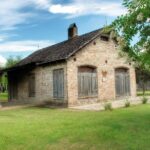
- Original buildings, including structures connected to how enslaved people lived and worked
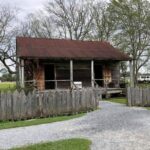
- Slave cabins and memorial-focused exhibits that aim to show harsh realities rather than sugarcoat them
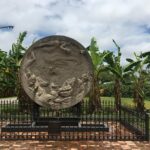
- Artwork and memorial installations designed to make the human cost impossible to ignore
One of the most powerful sections is the Wall of Honor, which displays the names of more than 350 enslaved individuals who lived on the plantation. Seeing names like that changes the feel of the visit. It stops the story from being abstract.
Then there is the sculpture called the Field of Angels. The exhibit connects it to the estimated 2,200 enslaved children who died in St. John the Baptist Parish. Even if you do not memorize every detail, the point sticks: this history includes children, sickness, death, and loss at a scale that is hard to understand until you are standing in a space dedicated to remembering.
A few more ways to spend the day around New Orleans



The one trade-off with the self-guided format
Whitney being audio-based means you will not have constant hands-on interpretation from a live guide. One way to work around that is simple: come in with a few questions in mind. For example, I’d focus on how the museum links daily life, forced labor, and memorialization, and how those links differ from what you see in the city later.
If you need live Q and A constantly, this format might feel a little hands-off. But if you can handle self-guided listening, it is often the most respectful way to do a visit like this.
Katrina aftermath stop: seeing how tragedy reshapes neighborhoods

After Whitney, the city portion shifts from the plantation setting into modern neighborhood reality. Part of your route includes seeing the aftermath of an area devastated during Hurricane Katrina.
This is not listed as one single named stop, but it shows up in the way guides structure the day. You may hear stories tied to the Ninth Ward and details about levee impacts, including where the levee wall broke. Guides also have room to add related context, such as how desegregation stories intersect with New Orleans civil rights history.
One especially memorable kind of stop your guide may include is the McDonough No. 19 area, connected to the story of three girls desegregating Elementary schools, along with conversation tied to the Leona Tate foundation. That kind of add-on makes the urban tour feel less like a checklist and more like a guided story tied to real streets.
This portion can be heavy. It helps if you do not treat it like a quick photo stop. The best way to get value here is to watch how the guide frames what you are seeing, then think about what survived, what changed, and what decisions shaped the recovery.
Congo Square: jazz origins and African heritage you can feel in the layout

You also get time at Congo Square, described as the birthplace of jazz. The core idea is that enslaved Africans gathered there to celebrate their heritage through music, dance, and storytelling. That rhythmic tradition is presented as a foundation for jazz that then spread beyond New Orleans.
I like this stop because it balances the day. After the memorial and the Katrina story, Congo Square brings you back to people making culture, forming community, and keeping identity alive. You still see history, but the mood shifts. It is not denial. It is contrast, and that contrast is what makes the city tour portion matter.
If you are someone who only expects famous architecture or party stops, Congo Square is a useful correction. It reminds you that creativity and community have roots tied to survival and memory.
Studio BE: a short pause for contemporary local culture

Between the bigger historical stops, the itinerary includes a brief visit to Studio BE. It is positioned as a landmark and cultural destination developed since 2016. The description frames it as an artist space and community hub, and it is meant to welcome visitors across the globe.
You only spend about 15 minutes here, so do not expect a long art museum visit. Instead, treat it like a pause in the day. It gives you a quick sense of how New Orleans keeps producing new voices and new work, not just preserving the past.
This stop is also practical for your mood. After hours of heavy content, a brief modern culture moment can help your brain reset without pretending everything is fine.
Price and logistics recap: why the combo works as one ticket
The Whitney portion and the city portion are both valuable on their own. Put together, they create a day that links systems, geography, and memory.
Here is why I think the combo is a smart structure:
- Transportation removes the need to coordinate multiple separate trips across town
- Whitney’s time is built in as a dedicated, protected window, not a rushed side stop
- The city tour gives context and connections, including Katrina aftermath and Congo Square
- The route includes a contemporary culture stop at Studio BE without derailing the day
Also, the group size limit of 24 travelers is a big deal for a long day. You can hear the guide better, and the day feels more manageable than a big bus situation.
If you hate scheduled days and want maximum flexibility, this might feel tight. But if you want a guided experience that still gives you pacing options at Whitney, the structure fits well.
What to pack and how to handle a long, serious day
This is not a night-out tour, so dress like you are walking. You will likely spend time outdoors around city stops, and you also want comfortable shoes because history stops are easiest when your body is not complaining.
Plan for the no-restroom-on-board detail. I recommend treating this like a day hike. Eat something early. Bring water if you are allowed to during your morning pickup. If you have sensitive knees, take your time when moving between stops.
For the audio portion at Whitney, bring a fully charged phone and headphones if the setup requires them. The tour is on a mobile ticket and uses self-guided audio, so you want the tech side to work smoothly.
Most importantly, give yourself permission to go quiet. This day asks you to absorb names, memorials, and stories. You get more out of it when you are not rushing.
Who this tour is best for, and who might want another style
This combo is ideal if you want:
- A respectful plantation visit that centers enslaved people through exhibits, names, and memorial art
- A New Orleans city tour that connects history to place, including Katrina aftermath
- A day that mixes solemn reflection with cultural context like Congo Square
- Local-guided interpretation on the city side, sometimes led by locals such as Jay or Jeremy
You might choose something else if you:
- Strongly prefer fully guided tours with live narration everywhere, not audio self-guiding
- Need constant rest breaks and snacks on board, since there is no restroom on the vehicle
For first-time visitors, the combo is also a good way to avoid missing the context that makes everything else in New Orleans click.
Should you book this Whitney Plantation and Soul of New Orleans combo?
Yes, if you want a one-day plan that treats history seriously and still gives you local perspective. The combination is well priced for what it covers, especially the transportation and the dedicated Whitney admission time. The Whitney audio format works well if you are comfortable listening on your own schedule, and it is often exactly what helps a memorial-heavy place feel personal.
I would book it if you care about understanding both sides of the story: the plantation system and the urban consequences. The day includes the names on the Wall of Honor, the Field of Angels memorial context, Congo Square’s African heritage roots tied to jazz, and a Katrina aftermath window that helps explain how the city’s neighborhoods were changed.
If your ideal day is all light entertainment, this is probably not your fit. But if you want one of the most meaningful ways to understand New Orleans in a single push, this is a strong choice.
FAQ
How long is the Whitney Plantation and Soul of New Orleans city tour combo?
It runs about 8 to 9 hours.
What time does pickup start?
Pickup happens between 8:00 AM and 8:30 AM. You should be outside your hotel by 8:00 AM.
Where can I meet the tour if my hotel is not included for pickup?
You can use the central meeting point at the Parking Lot, 414 Canal Street, New Orleans, LA 70130. You should search for parking lot to select it.
Is Whitney Plantation part of the tour admission, or do I pay separately?
Whitney Plantation admission is included.
Is there a restroom on the bus?
No, there is no restroom on board.
What language is the tour offered in?
The tour is offered in English.
How big is the group?
The tour has a maximum of 24 travelers.
Can I cancel and get a full refund?
Yes. You can cancel up to 24 hours in advance for a full refund.
More New Orleans City Tours





More Whitney Plantation Tours in New Orleans
More Plantation Tours from New Orleans

More ways into New Orleans


New Orleans Plantation Tours, compared.
 ★ 5.0Swamp Boat Ride and Oak Alley Plantation Tour from New OrleansFrom $1313,303 reviews
 ★ 4.5Oak Alley Plantation Tour with Transportation from New OrleansFrom $891,747 reviews
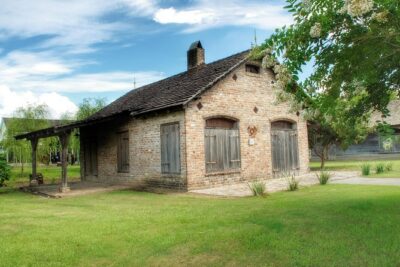 ★ 4.5Whitney Plantation Tour with Transportation from New OrleansFrom $891,351 reviews
 ★ 5.0Laura Creole Plantation Guided TourFrom $321,279 reviews
 ★ 4.5Airboat and Plantations Tour with Gourmet Lunch from New OrleansFrom $2791,246 reviews
 ★ 4.7Bayou Swamp Tour and Oak Alley Plantation TourFrom $1251,147 reviews
 ★ 4.7Oak Alley Plantation & Airboat Swamp Combo TourFrom $160906 reviews
 ★ 4.5Oak Alley Plantation and Large Airboat Swamp Tour from New OrleansFrom $160712 reviews
Browse the lists this tour appears in