
REVIEW · NEW ORLEANS PLANTATION TOURS
Whitney Plantation and Museum Tour from New Orleans
Whitney Plantation hits hard in a way most plantation stops do not, because the story is told through the people who were enslaved. I especially like the hotel pickup convenience and the museum approach that keeps you focused on the human cost, not romantic scenery. The one thing to weigh is time on site can feel tight for some visitors, so you’ll want to plan for a slower, reflective visit.
This is a half-day excursion that runs about 4 to 5 hours and moves at a comfortable pace on the Great River Road. You ride in an air-conditioned vehicle and keep the group small, with a maximum of 24 travelers. If you want a sobering history lesson with guided route context (plus time to take things at your own speed inside), this tour is built for that.
Key things to know before you go

- Hotel pickup from downtown cuts down hassle before the long drive to River Road.
- Admission is included, so you can focus on the visit instead of extra ticket steps.
- The storytelling perspective centers slavery and resistance, not plantation owners.
- Great River Road scenery adds context with a classic Mississippi River drive.
- On-site pacing matters, since some people wish they had more time to read slowly.
- Mosquito season tip: bring bug spray, and tissues can come in handy.
Why Whitney Plantation feels different from most plantation tours
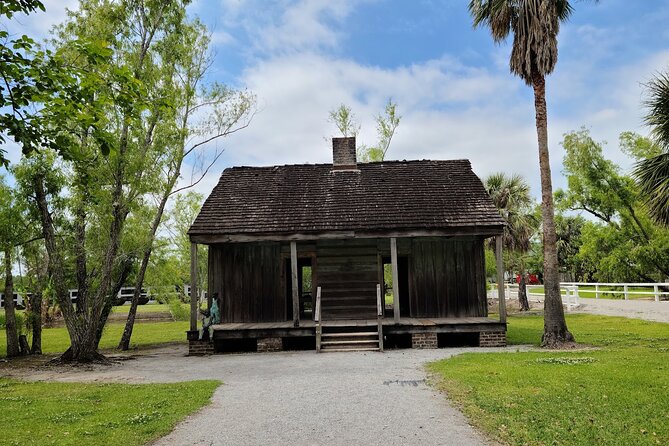
A lot of plantation history tours give you the architecture first and the trauma second. Whitney Plantation does the reverse. The grounds and exhibits are designed to keep your attention on enslaved people, including how plantation life worked day to day, and how enslavers’ laws shaped that daily reality.
Even the framing is intentional. You learn how plantation-era Louisiana tied into a much bigger sugar economy, and how quickly wealth grew for some while suffering deepened for others. That angle matters because it connects local events to the larger system of slavery rather than treating it like a disconnected Southern backstory.
This tour also gives you something practical: a clear reason to go beyond simply walking on old property. The museum approach helps you understand what you’re seeing, so you’re not left trying to piece the narrative together yourself.
More plantation visits from New Orleans, with the history kept in view



Getting to River Road: comfort, timing, and small-group reality

The pickup window runs between 8:00 AM and 8:30 AM, and you’re asked to be ready outside your hotel by 8:00 AM. On routes with multiple stops, arrival times can vary, so build in buffer time, especially if you hate waiting. One helpful detail I like: drivers have called out estimated pickup timing when they were handling the last hotel stop, so you can plan instead of hovering.
You’ll be traveling in an air-conditioned vehicle, which is a big deal on a Louisiana morning. The ride itself is part of the experience. It’s not just transportation, it’s a moving history lesson along the Mississippi River corridor, where you can understand why the region’s plantation wealth concentrated around the water.
Group size is capped at 24 travelers, and multiple people note that the bus felt small enough to manage. That matters because a larger group can turn a reflective visit into a schedule sprint. Here, the pace is usually controlled so the museum time can actually land.
Entering Whitney Plantation Museum: slavery-centered storytelling that stays with you
Whitney Plantation is a museum site built around the people who were enslaved there, and the emotional impact is the main reason to come. Expect a visit that is sobering, moving, and heavy. The exhibits are structured so you can absorb details and reflect, not just speed through headlines.
One of the most discussed themes is that this was not simply a plantation backdrop, it was part of the real mechanics of American slavery. The site highlights how enslaved communities lived under brutal controls, and it connects that to larger patterns across plantation life in Louisiana’s sugarcane economy.
The museum also covers resistance, including the fact that Whitney Plantation is linked to what’s described as the largest slave rebellion in the United States. That detail shifts the story away from helpless suffering and toward agency and courage, even in the worst possible circumstances. You end up thinking about what power looked like for the enslaved, and how enslavers tried to crush it.
On top of that, the tour messaging includes how quickly Louisiana sugar production ramped up, with Louisiana described as producing a quarter of the world’s cane sugar supply at the height of that era. That context can be hard to sit with, but it helps you understand why slavery was so fiercely maintained, not just locally, but economically.
Self-guided time: why it works here
Once you arrive, you’re given a format that supports self-paced reading and reflection. Many visitors specifically praise the on-site self-guided audio approach as easier to follow than trying to absorb everything at once through a group guide.
That flexibility is useful because the site asks you to slow down. If you’re the kind of person who reads the exhibit text carefully, you’ll likely appreciate the chance to go at your own speed. If you rush, you’ll miss what makes Whitney different.
How much time you’ll have, and how to pace your visit

Most tours are about timing, and this one has a built-in tension. The overall tour is listed as 4 to 5 hours, and while admission is included, the time you’re physically on the grounds can feel limited to some visitors.
A common theme from people who felt disappointed is that their walk-through time ended up shorter than they expected. In at least one case, a visitor reported arriving shortly before the planned departure and then feeling that the visit window was not enough to read all the posted information and explore at a comfortable pace. Another person said they would have liked an extra 30 minutes, even though they found the visit extremely important.
My advice: plan for a slower rhythm. If you want to read exhibit text fully and take breaks for reflection, you’ll want to treat this like a meaningful stop, not a quick photo walk. Wear shoes you can stand in and give yourself permission to go slower than you normally would.
A few more ways to spend the day around New Orleans






The Great River Road drive: scenery plus cultural context

The tour includes travel along Louisiana’s Great River Road. This isn’t just pretty scenery, it’s geography that explains the plantation story. The Mississippi River corridor is where goods moved, where wealth concentrated, and where plantation culture formed around the logistics of sugar and commerce.
Along the way, you get context for the region’s past and present. You’ll hear commentary while passing historic plantation country and small towns along the route. Even if you’re mostly focused on Whitney, the drive helps you understand what you’re seeing when you look out the window.
There’s also a pop-culture thread. The route references Evergreen Plantation, which is known for appearances connected to Django Unchained and Queen Sugar. That connection can be useful because it gives you a visual anchor, but it’s still worth keeping the focus where the tour puts it: the lived reality of enslaved people, not the movie set feeling.
Who will love this tour, and who should think twice

This is a strong choice if you want a visit that is directly about slavery, from the perspective of the enslaved. If you prefer tours that center human impact instead of plantation aesthetics, you’ll likely feel this hits the right notes.
It’s also a good fit if you like structure but still want control. The mix of route commentary plus self-paced time at the site can work for couples, friends, and solo travelers who want meaning rather than just motion.
It may be less ideal if you:
- need a lot of time on the grounds to read everything slowly
- have a back issue and find bus seating uncomfortable (some visitors mentioned bucket-style seating with limited padding)
- are hoping for a light, casual plantation outing
That’s not a criticism of the museum. It’s about matching expectations to how these sites demand attention.
$75 value: what you get for a half-day from New Orleans

At $75 per person, the value comes from what’s included and what’s avoided. You’re paying for transport with air-conditioned comfort, plus hotel pickup, plus admission included for the museum visit. That bundle can be worth it if you don’t want to figure out scheduling, parking, and separate ticket timing on your own.
The tricky part is that value depends on your ideal pace. If you can make a tight schedule work and you’re ready for a reflective museum visit in a limited time window, the price feels justified. If you expect a long, leisurely walk-through and you’re the type who reads every panel without skipping, you might feel the schedule is compressed.
Still, even people who wished for more time mostly praised the learning value. The bigger point is that Whitney Plantation is a destination where time is part of the emotional experience. If you go in knowing it’s not a casual stop, your expectations line up better.
What to pack and how to make the most of the day

This kind of visit is emotional, and also physical. You’ll spend time standing, walking the grounds, and reading exhibits, so practical comfort matters.
I’d pack:
- Mosquito repellent (more than one visitor highlighted this)
- Tissues, since the material can be unexpectedly intense
- Comfortable shoes for uneven ground and standing time
- A light layer, because morning weather can shift even on a short tour
If you’re sensitive to memorial-style sites, consider building a buffer after the tour. The experience can stay with you, and having a calm plan for the rest of your day can make it easier to digest.
Also, listen to what your driver says during the ride. Multiple people praised drivers like Jay, Dennis, and Chris for friendly, informative commentary and local perspective. That context can make the exhibits land more clearly when you arrive.
Should you book Whitney Plantation and Museum from New Orleans?
Yes, if you want the most direct slavery-centered plantation museum experience you can fit into a half-day. The tour’s biggest strength is its focus on people who were enslaved, plus the practical help of hotel pickup and admission included. It’s also small-group and built for an on-site rhythm that supports reflection.
I’d hesitate only if you’re expecting a relaxed, leisurely grounds tour, or if your body needs extra comfort and you know bus seating affects you. In that case, either plan to take breaks strategically during the visit or consider a different format that gives more time on site.
If you’re visiting New Orleans and you want history beyond the usual highlights, this is a serious, meaningful add-on. It may not feel upbeat, but it’s memorable for the right reasons.
FAQ
What time is pickup from my hotel?
Pickup happens between 8:00 AM and 8:30 AM. You should be ready outside your hotel by 8:00 AM, since pickup times can shift due to multiple hotel stops.
How long is the Whitney Plantation and Museum tour?
The tour runs about 4 to 5 hours in total.
Is admission to Whitney Plantation included?
Yes. Admission ticket to Whitney Plantation is included.
Is there a self-guided option once you arrive?
Yes, there is an on-site self-guided audio option that many visitors say is easy to follow.
What language is the tour offered in?
The tour is offered in English.
Can I get a refund if plans change, or if weather cancels the tour?
You can cancel for free. The experience requires good weather, and if it is canceled due to poor weather, you’ll be offered another date or a full refund.
More New Orleans Museum Tickets






More Whitney Plantation Tours in New Orleans
More Plantation Tours from New Orleans


More ways into New Orleans


New Orleans Plantation Tours, compared.
 ★ 5.0Swamp Boat Ride and Oak Alley Plantation Tour from New OrleansFrom $1313,303 reviews
 ★ 4.5Oak Alley Plantation Tour with Transportation from New OrleansFrom $891,747 reviews
 ★ 4.5Whitney Plantation Tour with Transportation from New OrleansFrom $891,351 reviews
 ★ 5.0Laura Creole Plantation Guided TourFrom $321,279 reviews
 ★ 4.5Airboat and Plantations Tour with Gourmet Lunch from New OrleansFrom $2791,246 reviews
 ★ 4.7Bayou Swamp Tour and Oak Alley Plantation TourFrom $1251,147 reviews
 ★ 4.7Oak Alley Plantation & Airboat Swamp Combo TourFrom $160906 reviews
 ★ 4.5Oak Alley Plantation and Large Airboat Swamp Tour from New OrleansFrom $160712 reviews
Browse the lists this tour appears in