
REVIEW · TOURS
Urban Enslavement Tour at Hermann Grima House
A house can tell the truth in rooms. This hour-long tour at Hermann-Grima House uses a preserved French Quarter home to explain what enslaved people faced in a city setting, and how people of African descent shaped New Orleans. I like that it is built around real spaces, like the home’s open-hearth kitchen and the urban slave quarters, so the story feels grounded in what people actually did day after day.
The big caution: the tour may still spend some time on the house and the families who owned it, because that is part of what the building tells. If you are hoping for a laser focus on enslaved people’s humanity with minimal attention to the masters, you might leave wishing the balance leaned even harder the other way.
Quick hits before you go
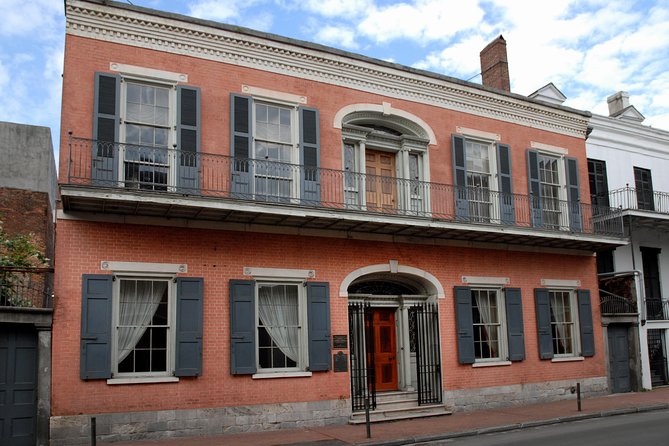
- Hermann-Grima House is a story machine, with an 1831 restored French Quarter layout that makes the urban slavery system visible.
- Urban labor, not plantation theory, gets the spotlight, including what daily work could look like in a city.
- Real domestic spaces matter, from the working-feel kitchen to the areas linked with enslaved work and daily routines.
- Courtyard and infrastructure clues, like cistern and outdoor spaces, help explain how the household functioned.
- Guides really drive the tone, and names like Robert and Kelsy show up in standout narratives.
- Admission is included in the ticket price, which makes the $17 feel less like an add-on and more like a complete experience.
Why this tour starts inside a real French Quarter home
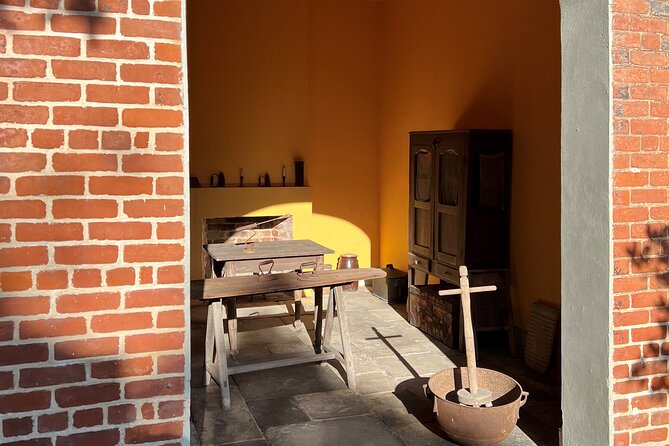
Hermann-Grima House is not a generic museum room. It is a restored home built in 1831 with a Federalist-style architectural façade, sitting right in the French Quarter. That matters because urban slavery was not only a story told in documents. It was a system that played out in kitchens, yards, hallways, and routines.
What I like is how the tour uses the building itself as evidence. You are not just hearing terms like urban enslavement. You are shown where work likely happened, how the house was organized, and how the day-to-day rhythm of a household shaped enslaved lives. The courtyard and the preserved layout keep you from thinking this was abstract history.
Also, if you enjoy places where culture grows in unexpected ways, this stop has extra layers. The property’s 19th-century carriage house is home to The Exchange Shop, which traces back to 1881 and the Woman’s Exchange. It is one of the oldest women-led nonprofits in the South. So even after the hard parts of the story, you still get a sense of how community and institution-building happened later.
Keep the day moving with these tours around New Orleans.



What you will actually learn in about one hour
This tour is designed to answer a question most New Orleans history tours skip: what did slavery look like in a city? The format is focused and timed, so you do not get “everything about slavery in Louisiana” as a lecture. Instead, you get a clear, structured story that compares urban enslavement with rural patterns, and then connects it to how African descent shaped New Orleans.
In plain terms, the guide walks you through:
- How enslaved life in cities could differ from plantation life
- How household labor and urban economy intertwined
- How the contributions of people of African descent helped form what New Orleans became
You also get the benefit of pacing. At roughly one hour, you will not feel dragged through a slow museum shuffle. It is enough time for meaningful context and for the guide to point out details you might otherwise miss in the architecture and room layout.
One practical note: because the content is heavy, the tour works best when you do not pair it with a “must-see-everything” schedule right before or right after. Give yourself a little buffer to absorb it.
Hermann-Grima House layout: how space tells the story
The tour experience is built around the idea that nothing tells a story like a home. You get to see the operating-feel of the past through key areas of the house and its preserved furnishings. Guides tend to focus on how the household was divided and how those divisions translated into control, access, and labor.
Even when you only tour one property, you still get a full sense of “house logic.” You will notice the shift from more public, family-facing spaces to zones tied to daily work. You will hear about how the home’s layout created boundaries, including areas that helped separate enslaved people from the master household’s everyday comfort.
In several standout narratives, the tour description emphasizes details like the interior layout and the different zones within the home. That is the kind of info you can carry with you later when you look at the French Quarter and think, this was not just pretty architecture. It was a system.
If you like history explained with specifics, this is the style you want. The guide points at what you can see, then links it to what the household required and what enslaved people endured.
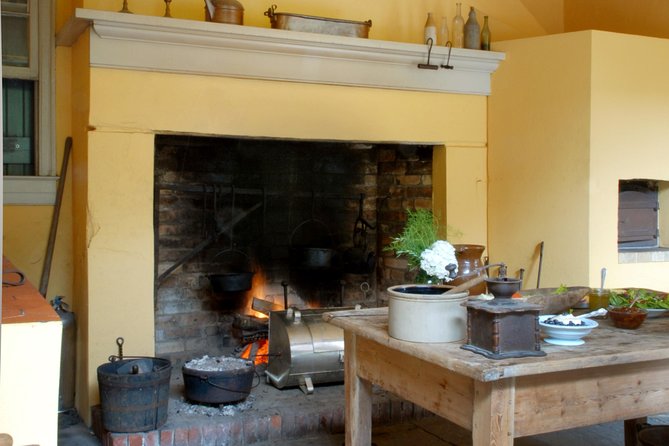
The open-hearth kitchen: where the work was never done
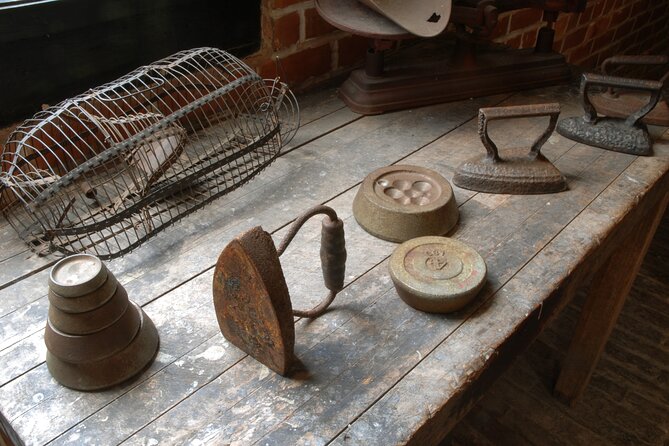
One of the signature things here is the original operating open-hearth kitchen. That does not mean it is a reenactment show with actors. It means the space that supported cooking and heat is preserved, so it helps you understand why urban domestic labor could be punishing.
When you stand in a real kitchen from this era, it is hard to romanticize anything. You can feel the practical reality: long cooking hours, constant movement, and the work needed to feed the household and keep it running. Some guides connect this to how schedules and demands shaped enslaved labor routines.
If you care about understanding slavery as work and infrastructure, the kitchen is a major reason the tour earns high praise. It is one thing to talk about oppression in theory. It is another to look at the physical space where household survival depended on enslaved effort.
Urban slave quarters and what the guide highlights
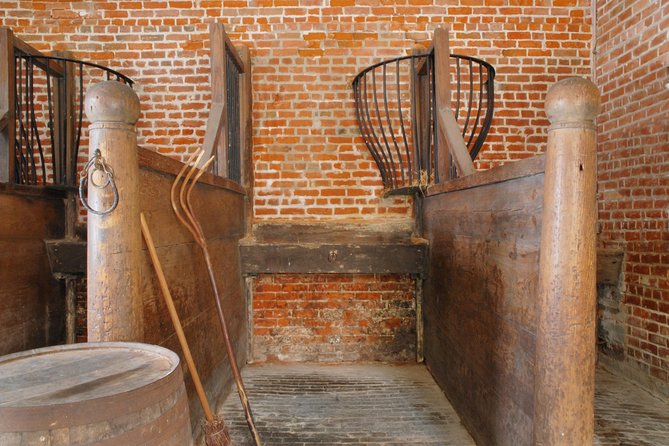
The tour includes the urban slave quarters, which is exactly what many visitors hope for when they book. These are not just “side rooms.” They represent where people lived under forced conditions within the city.
What I value here is the tour’s explicit attention to urban realities. Plantation history is common. Urban enslavement is harder to visualize because cities can hide systems behind everyday streets and architecture. This tour tries to fix that by focusing on where people were housed and what daily life could involve inside a household.
From the way guides explain routines, you may hear specific labor examples that show how exhausting the work could be. Some narratives mention intense, repetitive tasks tied to cooking and clothing upkeep, plus the way childcare and household demands could still be part of enslaved people’s burden. It is intense content, but it is also the point. If you want a tour that treats enslaved people’s lives as central, you are in the right place.
Still, remember the tour is housed inside a specific property, and that affects what can be shown. If the archives linked to this particular home focus more on the owners’ side of the story than on every individual enslaved person’s personal biography, the guide may have to work with what is known.



Courtyard, porches, and the household machine behind the scenes
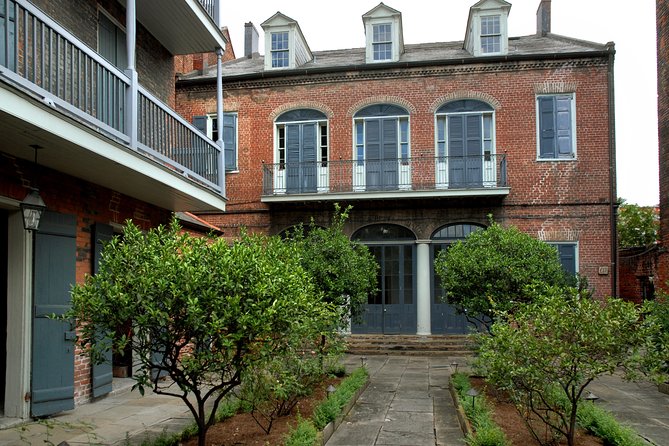
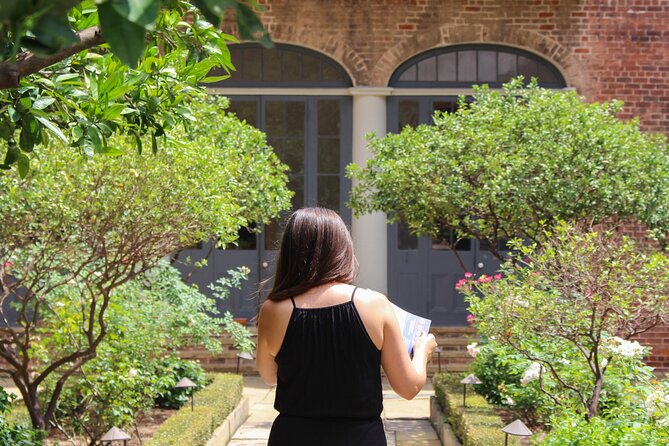
After the interiors, the tour’s outdoor and transitional spaces help you understand how a household functioned in a real city environment. The property has an expansive courtyard, and you may also hear about porches or veranda areas as part of the household’s flow.
Why this matters: slavery was not only inside. In a city home, outdoor work, water management, and daily upkeep were part of the system. Courtyard spaces let the guide connect the visible architecture to how people moved, worked, stored supplies, and managed daily needs.
Some visitors specifically mention learning about features like a large water cistern. Even if you do not catch every infrastructure detail, the lesson is clear: the house worked like a machine, and enslaved labor was a key part of keeping that machine running.
This is also where a good guide earns their tip. They can point out a cistern or courtyard boundary and explain why it influenced the lives of enslaved people. You start to see the whole operation instead of isolated rooms.
Guides set the emotional tone, and names matter
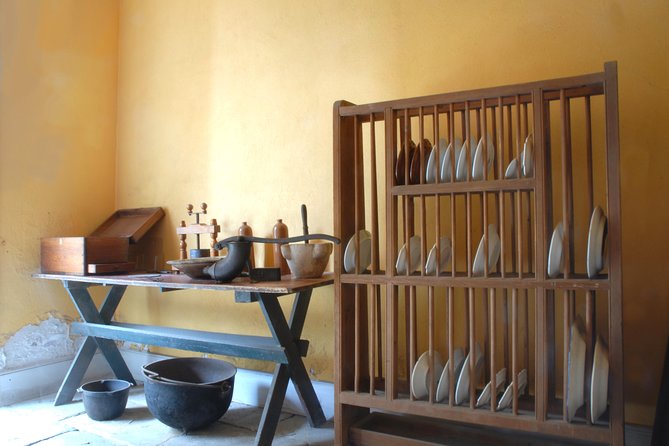
The tour is only one stop, so the guide’s voice and focus carry a lot of weight. In the better experiences, guides are described as highly knowledgeable and willing to answer questions. Names like Robert and Kelsy come up in standout accounts.
I think this matters more than most people expect. Urban slavery is emotionally hard content. A strong guide does two things at once: they keep you oriented in the space, and they keep the focus on the people who were enslaved.
When the tone clicks, you feel like the house becomes a time machine, not a lecture hall. People describe guides who explain urban enslavement clearly and who can humanize the story without turning it into a generic tragedy speech.
If you are booking because you want both educational detail and a respectful, human-centered approach, pick a time slot when you will have energy for questions. This tour can go fast, but the best guides create time for the points that matter to you.
Price and value: why $17 is a fair deal here
At $17 per person for about an hour, this is priced like a no-brainer if you care about depth. Many paid museum-style tours charge more and then leave you wishing you got more than a quick highlights walk. Here, admission is included, so you are not paying twice for entry.
The value comes from how the tour uses a real, preserved home with specific features: the 1831 restoration, the open-hearth kitchen, and the urban slave quarters. You are paying for a guide-led interpretation of spaces you could technically wander alone, but would struggle to fully decode on your own.
It also helps that the tour is English. That keeps the experience accessible without adding translation overhead.
One more value angle: it is compact. You can fit it into a day without blowing your schedule. If you are doing multiple French Quarter stops, a one-hour commitment is easier to justify than half-day tours.
Who this tour suits best, and who may want something else
This tour fits best if you:
- Want slavery history explained in the context of a city, not just plantations
- Like architecture-as-evidence, meaning you enjoy learning from the physical layout
- Prefer a guided story that stays focused and doesn’t sprawl into unrelated stops
It may be especially good after you have done another New Orleans slavery-related visit, because then your brain can compare settings: rural plantation work versus urban household labor. The contrast tends to make the story more understandable.
Who might want a different option? If you are only interested in the owners and family finances, this tour is not built for that. One lower-rated experience notes frustration with how much the narrative can linger on the masters of the house. That tells me the tour aims for balance, but balance can still feel skewed if you personally want the attention to stay fixed on enslaved people’s humanity and day-to-day lives.
If that matters to you, go in knowing this is still a home with documented ownership history. Ask yourself what kind of learning you want. If you want the urban enslavement angle taught clearly through the spaces, you will likely feel well served.
Logistics that actually affect your day
The tour uses a mobile ticket, and confirmation comes at booking time. It is offered in English and it runs about an hour. The site is near public transportation, which helps a lot in New Orleans where parking can be a gamble.
It also requires good weather. Since this is a house plus outdoor courtyard spaces, plan for mild clothing and comfortable walking shoes. If it is hot, your “I can handle it” spirit might get tested fast, so hydrate before you start.
Most people can participate, and service animals are allowed. If you have specific needs, it is still worth checking directly with the operator, because the tour is inside a historic property where room transitions and ground surfaces can vary.
Potential drawback to weigh before you book
The main consideration is narrative focus. One experience described the tour as too heavy on the house families and the people who owned it, with less emphasis on the enslaved people’s humanity and lived experience. That does not mean the tour ignores enslaved people. It means the guide may still use ownership history as part of the explanation of what the building represents.
So here is my practical advice: if you care deeply about hearing more human-centered detail, come with 1 or 2 questions ready. For example, ask what daily routines looked like in this specific urban setting, or how the household structure shaped access to work, rest, and family life. A good guide can often respond with the extra context you are craving.
Should you book Urban Enslavement at Hermann-Grima House?
Yes, if you want a focused, one-hour look at slavery in a city home, and you like learning through real spaces. The combination of an 1831 restored French Quarter house, urban slave quarters, and an interpretive guide makes this a strong value at $17, especially since admission is included.
Book this tour if you:
- Want urban slavery history that feels practical and place-based
- Enjoy guides who point out specific features like the open-hearth kitchen and household layout
- Want to connect this story to the wider shaping of New Orleans by people of African descent
Skip or supplement it if you need a tour that stays strictly centered on enslaved people’s personal lives with minimal time on owners. In that case, go prepared with questions, and consider pairing it with another site where the narrative focus is even more explicitly centered on enslaved people’s voices.
If your goal is to understand how slavery worked inside the city, this tour is one of the most direct ways to do it.
FAQ
How long is the Urban Enslavement Tour at Hermann Grima House?
The tour is listed as approximately 1 hour.
How much does the tour cost?
The price is $17.00 per person.
Is admission included in the ticket price?
Yes, the admission ticket is included.
What language is the tour offered in?
The tour is offered in English.
Do I need a printed ticket?
No. You’ll use a mobile ticket.
Are service animals allowed?
Yes, service animals are allowed.
How far in advance should I book?
On average, this experience is booked about 13 days in advance.
What is the cancellation policy?
Free cancellation is available. You can cancel up to 24 hours in advance for a full refund.
What happens if the tour is canceled due to weather?
The experience requires good weather. If it is canceled due to poor weather, you will be offered a different date or a full refund.
More Tours in New Orleans


More Tour Reviews in New Orleans
More ways into New Orleans


Tours, compared.
 ★ 4.5New Orleans Premier Ghost, Voodoo and Vampire Walking TourFrom $2712,856 reviews
 ★ 5.0Adults-Only New Orleans Ghost, Crime, Voodoo, and Vampire TourFrom $376,545 reviews
 ★ 5.0New Orleans Food Walking Tour of the French Quarter with Small-Group OptionFrom $756,118 reviews
 ★ 5.0New Orleans Swamp and Bayou Boat Tour with TransportationFrom $705,399 reviews
 ★ 4.5New Orleans City Sightseeing Hop-On Hop-Off Bus TourFrom $514,943 reviews
 ★ 4.5St. Louis Cemetery No. 1 Official Walking TourFrom $253,941 reviews
 ★ 5.0Swamp Boat Ride and Oak Alley Plantation Tour from New OrleansFrom $1313,303 reviews
 ★ 5.0New Orleans Adults-Only Ghost, Voodoo and Vampire TourFrom $293,291 reviews