

REVIEW · NEW ORLEANS PLANTATION TOURS
Two Plantation Tour: Oak Alley and Laura or Whitney
Two plantations in one long day. This tour strings together Louisiana plantation life, with docent-led interpretation and a strong focus on the people harmed by enslavement. I especially like the responsible way the day treats that history, and I like the practical format, pickup in downtown New Orleans included, plus an air-conditioned ride. One drawback to plan for: it is a full 7-hour outing and snacks are not included, so you will want to eat before you go or bring your own.
You also get extra interest built into the route, not just one plantation and done. You’ll pass sites tied to major film and TV, including locations used for Django Unchained and Queen Sugar, which makes the scenery feel more than postcard pretty.
Finally, the day depends on conditions. It requires good weather, and if it is canceled for poor weather you are offered a different date or a full refund.
Key Highlights You’ll Actually Care About

- A small-group feel, with a maximum of 24 travelers, plus pickup from most downtown hotels
- Film and TV connections at Evergreen, including Django Unchained and Queen Sugar
- Heavy-hitting historical anchors like the German Coast slave revolt site at Destrehan in 1811
- Lake Ponchartrain marsh crossing on the way to your plantation stops
- Oak Alley plus a second plantation choice (Laura or Whitney), with a mix of guided and self-guided time
Price and What You’re Really Paying For

At $152 per person for about 7 hours, you are buying more than a ticket to one plantation. You are paying for a structured day that combines transport from New Orleans, multiple historical stops, and time at two plantation sites.
That matters because plantation areas are spread out, and getting there on your own takes planning. Here, you start centrally, you ride in an air-conditioned vehicle, and you move through the countryside without working out routes. You also get a mobile ticket and a guide-led experience at the core sites, rather than a quick, disconnected drive-by.
Also, the value improves if you care about context. The tour does not treat plantation history as just architecture and oaks. It frames economics and plantation life, then adds a dedicated stop at Whitney Plantation to honor people affected by the American enslavement trade.
More plantation visits from New Orleans, with the history kept in view



Pickup From New Orleans, Start Time, and the Pace of the Day
The meeting point is the Wyndham Garden Baronne Plaza New Orleans, 201 Baronne Street. The listed start time is 8:30 AM, and pickup happens between 8:30 AM and 9:00 AM from most downtown hotels. If your hotel is not listed, the operator selects the nearest option.
A couple practical notes I’d treat as real advice:
- Start time is early. Plan to be ready by the time window, not at the end of it.
- During transfers, you are asked to observe silence out of respect for co-travelers. That is a nice touch, and it also means you may want to bring something for calm downtime (a book, downloaded music, or just enjoy the ride).
The day runs long enough that you’ll feel it by late morning. The tour is built as a sequence of stops, so you will be moving. You’ll get breaks mainly during plantation time at the sites, not as frequent highway pull-offs.
Evergreen Plantation: When Film and Memory Share the Same Drive
One early stop is Evergreen Plantation, where scenes were shot for Django Unchained and the mini series Queen Sugar on the Oprah Winfrey Network. Even if you are not a movie buff, this is a useful anchor because it gives you a shared reference point while you walk among historic grounds.
Why I like this kind of opening stop: it lowers the barrier to entry. It helps you get your bearings quickly before the tour turns into heavier historical interpretation. You see how Louisiana’s plantation imagery became part of pop culture, then you get the chance to compare that visual storytelling with the real human story the tour is focused on.
If you are the type who likes to match scenes to real places, Evergreen is a satisfying start. If you just want the history, it still works because it sets the tone for the rest of the drive.
Destrehan and the German Coast Slave Revolt of 1811

Next up is Destrehan Plantation, the site of the German Coast slave revolt in 1811. The tour frames it as the largest slave revolt ever recorded in American history.
This is the moment where the day stops being about scenery and starts being about power, resistance, and the brutal reality of enslaved life in Louisiana. I like that the tour uses specific anchors like this instead of keeping things general. It gives your brain something concrete to hold onto while you process the rest of the day.
Potential consideration: this stop can feel emotionally heavy. If you know you prefer lighter pacing, build in your own recovery time during later site breaks. A long day with multiple interpretive stops can stack emotions if you are not prepared.
Saint Joseph Plantation Linked to 12 Years a Slave

The itinerary also includes Saint Joseph Plantation, where a scene was shot for 12 Years a Slave.
This is another film connection, but the value is not just trivia. When a place shows up in a major story about enslavement, it creates a bridge between what you think you know and what you see on the ground. It can help you notice details more carefully, like how plantation spaces were arranged and what that arrangement implied.
It also keeps the tour visually engaging, which helps on a day that is otherwise focused on difficult history. You are not stuck staring at the same kind of exhibit for hours.
A few more ways to spend the day around New Orleans




Lake Ponchartrain Marsh Crossing: A Real Sense of Place

Between plantation stops, the tour crosses the marsh connected to Lake Ponchartrain. Lake Ponchartrain is described as one of the largest saltwater lakes in the world.
This part of the day is less about interpretation and more about atmosphere. You get a sense of how water and marshlands shape the region. It also provides a breather between major stops, since it is more of a travel moment than a “walk and read” moment.
Because you are depending on good weather, keep in mind that marsh conditions can affect comfort. Dress for the day, not just the forecast, especially if it is warm or breezy.
Laura Creole Plantation Sightline: A Quick Look Before the Main Stop

As you make your way toward the target plantation, all travelers get to see Laura’s Creole Plantation. That means you get at least a glimpse during the route even if the itinerary’s final plantation stop is Whitney or Oak Alley.
I like this arrangement. It gives you a taste of another plantation identity without turning the day into a three-plantation marathon. It also helps you keep options open, because if you later decide you want more, Laura is already on your radar.
Whitney Plantation: Dedicated Education and Time to Take It In

Whitney Plantation is the stop devoted to honoring lives affected by the American enslavement trade. The tour describes Whitney as an educational monument, with displays that explain the horrors of the slave practice that occurred in the country not that long ago.
What makes Whitney especially valuable on a day like this is the intention. This is not simply “see an old house and grounds.” It is framed to help you understand and remember. The way the tour sets it up also gives you a slower rhythm, including about two hours at the plantation on an unguided format.
That unguided time can be a big win if you prefer to go at your own pace. You can read, step back, and return to key areas without feeling rushed. If you like a guided structure, you might want to pay extra attention during any guided components earlier in the day so you still feel oriented.
Oak Alley: The Big House, the Grounds, and Those Famous Oaks
Oak Alley is where the day often delivers the classic Louisiana visual wow factor. It is paired with a second plantation stop (Laura or Whitney), and Oak Alley itself is described as half guided in the big house and half on your own to explore the slave quarters and grounds.
That mix is smart. Guided time is great for big-house interpretation and architecture. Independent time is great for walking the grounds and looking closely at the parts of the property that visitors tend to rush past.
Two Oak Alley details to hold in your mind:
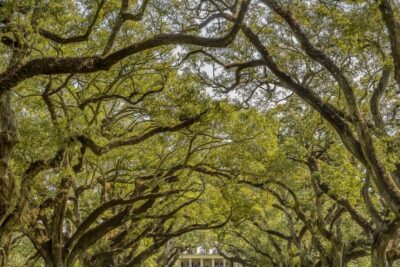
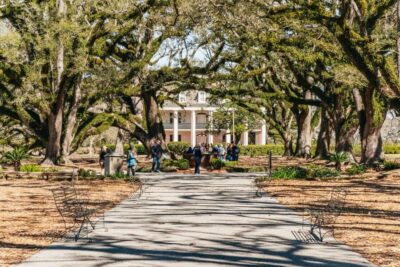
- The oaks are the star of the site. The review information describes trunks about 10 feet across, with branches so heavy they touch the ground.
- You’ll have access to the slave quarters and grounds during your self-guided portion, which matters for seeing beyond the postcard view.
Practical consideration: Oak Alley is also a place where you may have planned lunch time. Lunch is not included in the base price. If you want to eat on site, factor in that extra time so you do not feel rushed during your plantation exploration.
The Human Part: How Interpretation Can Feel Different Here
A key strength of this tour is its balanced structure. You get docent-led tours that focus on plantation life and economics, then Whitney brings the focus sharply back to the people harmed by enslavement.
That structure changes how the day lands. Instead of treating plantation history as a single theme, you experience it in parts:
- How plantation systems worked
- How people were forced into those systems
- How later storytelling, including film, helps shape public memory
- How specific monuments like Whitney shift the tone toward remembrance
It is also why I think this tour fits better for people who want something more than photos. If you are going just for images, you might still enjoy Oak Alley, but you will get the most from it when you let the interpretation work on you.
Getting the Most Out of It: My Practical Tips
This is a long day with several stops. Here’s how to set yourself up for an easier experience:
- Bring snacks or plan a full breakfast. Snacks are not included.
- Wear comfortable shoes. Even “exploring on your own” at Oak Alley means you will be walking.
- Expect early mornings and a tight schedule between stops. If you are prone to feeling rushed, mentally give yourself permission to slow down only once you arrive at the plantation sites.
- If you use a phone for navigation or reading, download anything offline. You’ll be moving through multiple locations across the day.
One more thing: I’d pay attention during the ride, because background context can make the stops click. In at least one instance, the driver, Brian Webber, shared history and pointed out historical sites you pass on the way out. That kind of storytelling helps you connect the dots when you arrive.
Who This Tour Suits Best
This tour is a strong fit if you want:
- Two plantation experiences in one day, without the hassle of driving
- A blend of guided interpretation and self-guided time
- A respectful focus on enslaved people’s lives, especially through Whitney Plantation
- Film and TV connections that help you recognize places as real locations
It also suits travelers who like small-group days. It is capped at 24 travelers, and the tour experience is described as small-group focused.
If you are someone who wants only light, casual sightseeing with minimal heavy topics, this may feel like too much for one day. But if you come prepared to learn and reflect, it is one of the more thoughtfully structured day trips from New Orleans in this plantation category.
Should You Book This Two-Plantation Tour?
Yes, if your goal is depth plus efficiency. For $152, you get a full-day route with transportation from downtown, multiple historically connected stops, and two major plantation experiences, with Whitney Plantation giving the day a clear remembrance focus and Oak Alley delivering the iconic grounds and big-house context.
Book it if you:
- Want Oak Alley and also want your second plantation stop to be meaningful, not just scenic
- Prefer a guided approach where it matters, plus time to walk on your own
- Would rather handle one coordinated day than plan several drives separately
Skip it only if you:
- Hate long, structured days
- Want plenty of frequent breaks
- Know you will struggle with emotionally heavy interpretation in a single outing
If you do book, go in with the right expectations. This is not just a photo loop. It is a mapped day through Louisiana’s plantation system, including the places where people were forced to live under it, and the sites that still help us face that reality.
More Tour Reviews in New Orleans





More Oak Alley Plantation Tours in New Orleans
More Plantation Tours from New Orleans
More ways into New Orleans


New Orleans Plantation Tours, compared.
 ★ 5.0Swamp Boat Ride and Oak Alley Plantation Tour from New OrleansFrom $1313,303 reviews
 ★ 4.5Oak Alley Plantation Tour with Transportation from New OrleansFrom $891,747 reviews
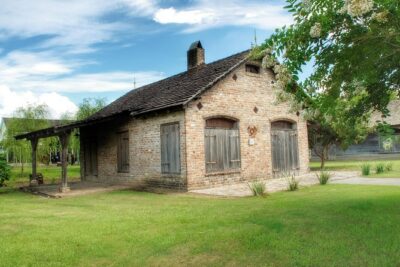 ★ 4.5Whitney Plantation Tour with Transportation from New OrleansFrom $891,351 reviews
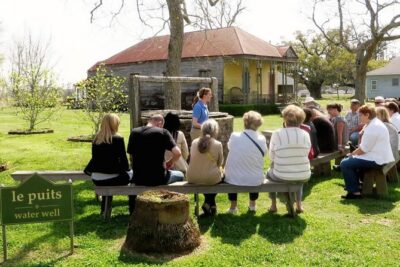 ★ 5.0Laura Creole Plantation Guided TourFrom $321,279 reviews
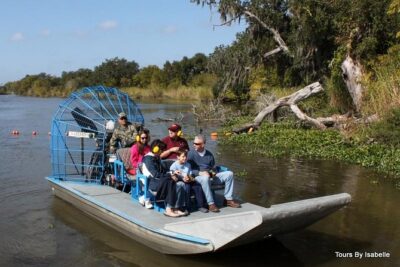 ★ 4.5Airboat and Plantations Tour with Gourmet Lunch from New OrleansFrom $2791,246 reviews
 ★ 4.7Bayou Swamp Tour and Oak Alley Plantation TourFrom $1251,147 reviews
 ★ 4.7Oak Alley Plantation & Airboat Swamp Combo TourFrom $160906 reviews
 ★ 4.5Oak Alley Plantation and Large Airboat Swamp Tour from New OrleansFrom $160712 reviews
Browse the lists this tour appears in