

REVIEW · NEW ORLEANS PLANTATION TOURS
St. Joseph Plantation Tour
Sugarcane history is easier to enjoy here. At St. Joseph & Felicity Plantation in New Orleans, I like that this is about an authentic working sugarcane farm, not just a set dressed for visitors. And unlike many historic homes, you can take photos inside the ancestral house during the tour.
My second favorite part is how the tour leans into the sugar industry with exhibits that help the story click fast. The visit is framed as a relaxed, intimate stop where your guide can answer questions as you go. The only drawback to consider is that it is a shorter, off-the-beaten-path experience, so if you want a big, multi-stop plantation day, you may need to pair it with other River Road tours.
Key Things to Know Before You Go
- An authentic working sugarcane farm setting tied to the plantation’s real agricultural roots
- Photos allowed inside the ancestral home, so you can actually capture details
- Exhibits that explain sugar production and plantation-era life without feeling like a lecture
- A relaxed, intimate family-style visit, designed to keep questions welcome
- A quieter alternative to the most crowded plantation stops on River Road
- A good add-on if you are already building a plantation route nearby
St. Joseph and Felicity Plantation: A Real Working Sugarcane Stop

Most plantation tours in the New Orleans area focus on what remains. This one focuses on what the place still represents, a working sugarcane farm experience tied to the sugar industry. You are stepping into St. Joseph & Felicity Plantation, where the tour is built around exhibits and the grounds, not just big rooms and big portraits.
The visit also connects the home and the farm. The ancestral house you tour was purchased after the Civil War, and that timeline matters because it shapes how the plantation is presented to you. It is one of those stops where you start thinking about how sugar shaped daily work, not just how the plantation looked.
One practical advantage for you: if you are doing a River Road itinerary, this feels like a smart change of pace. The tour is designed to be approachable and not overwhelming, especially when you already have a couple of other plantation sites on your schedule.
More plantation visits from New Orleans, with the history kept in view


The 1 to 2 Hour Flow: How the Tour Actually Feels

The whole experience is listed as about 1 to 2 hours, which is a big deal for planning. You get enough time to walk the grounds and see the main interior and exhibit content, but you are not stuck losing half your day.
The tour format is straightforward. You start with admission included, then move through the ancestral home and grounds while the guide ties things together through exhibits. The tone is described as relaxed and intimate, and that matters because it usually means fewer rigid pacing moments and more room for questions.
Because the time window is limited, you will get the most out of it if you go in with a light plan. Ask yourself what you want to understand most, sugar production, plantation daily life, or how the site’s post-Civil War story fits in. Then let the tour guide steer you through the exhibits that support that focus.
Also, the tour runs in English, so you can track the story clearly without relying on translation tools or guessing at context.
Sugarcane History Made Understandable, Not Just Decorated
This is where St. Joseph Plantation earns its strong rating. The tour is explicitly about learning the sugar industry, and the exhibits are there to help you understand the mechanics behind the plantation economy. Instead of treating sugar like a passing detail, the tour gives it center stage.
I like experiences that do not assume you know the basics. Here, you are guided through exhibits designed to help you picture life on a sugar plantation, so the theme stays consistent from room to room. If you have ever visited a historic site and felt like you were mostly admiring objects without grasping the system behind them, this kind of structure is exactly what you want.
One more smart element: this tour is framed around a working sugarcane farm. That means it is easier to connect what you see in the grounds with the larger story the guide is telling. You are not just looking at the past as scenery. You are seeing the plantation concept tied back to actual farming context.
Inside the Ancestral Home: Photos Are Allowed, So Use Them
One highlight here is simple and genuinely useful. You are allowed to take pictures inside the historic home, which is not always true on plantation-style tours. That changes the whole feel because you can document details you might otherwise miss.
If you care about photography, this is a practical win. You can slow down in interiors, capture wall details, and grab shots that reflect the atmosphere of the rooms, not just exterior angles. You can also treat photos like study notes. After the tour, your pictures help you remember what you learned, especially when the guide points out key elements.
How to get better results with what you are allowed to do:
- Bring your phone or camera fully charged, and consider a small backup power option if you are doing a full day of stops.
- Use your time in interiors for a quick set of wide shots, then follow up with close-ups of any exhibit labels or notable room details you are shown.
- Keep an eye on your timing. The tour is 1 to 2 hours total, so do not get stuck hunting the perfect angle when you still want to see the rest of the grounds.
Why This Feels Calmer Than the Crowded Plantation Route

If you are building a River Road day, you usually face a basic trade-off: the most famous stops tend to be the most crowded, and crowds can drain your attention. St. Joseph Plantation is positioned as an off-the-beaten-path option, with a highlight focused on avoiding the worst of the visitor crush.
That matters because plantation tours are information-heavy. When the pace gets pushed by big groups, you start absorbing less. Here, the tour is described as relaxed and intimate, which helps you actually follow the sugar-focused story.
It also helps you balance your day. If your other River Road stops are more intense, this can work as a breather. If you are trying to see several plantations in one trip, this is a good choice because it keeps your schedule realistic without turning every stop into a sprint.
There is also a subtle benefit: quieter tours often mean you can ask better questions. Even if you do not speak up a lot, you will typically get clearer answers when the group pace is comfortable.






Value Check: Getting a Lot for $24

At $24.00 per person, this is priced in a way that feels reasonable for a guided plantation-style visit that includes the admission component. Duration is listed at 1 to 2 hours, so you are not paying full-day money for a quick peek. You also get exhibits, access to the ancestral home and grounds, and a guide focused on the sugar industry theme.
The tour’s rating is 4.4 based on 30 reviews, which is enough to signal consistency. One review highlight emphasizes that the guide was knowledgeable and answered questions, and that it was reasonably priced. That combination is what most of us want: someone who can explain, and a price that does not sting after you add it to a longer trip.
Where you should be cautious is not the price itself. It is the match between your expectations and the tour’s format. This is a smaller, calmer stop. If you are expecting a massive production with constant spectacle, you might find it more “learn and look” than “big show.”
Still, for many people, that is exactly the appeal: you pay for understanding and access, not for crowds.
Tickets, Timing, and Practical Planning for New Orleans

A few details make this easier to fit into a real itinerary. You get a mobile ticket, and you receive confirmation at the time of booking. That reduces friction when you are juggling multiple activities in New Orleans.
The tour is also commonly booked about 39 days in advance on average. That is a clue to act sooner rather than later, especially if you are traveling in a busy period or you are planning a full River Road route. Popular stops can fill first, but smaller ones still tend to have limited slots.
It is offered in English, and service animals are allowed. “Most travelers can participate,” which suggests the tour is not built around extreme restrictions, though you should still plan based on your own comfort level, especially since you will be touring grounds.
What to bring, based on what the tour is doing:
- Your mobile ticket ready to show.
- Something comfortable for walking on plantation grounds.
- Your phone or camera, since you can take pictures inside.
- A little patience for exhibit reading. The whole point is learning the sugar industry story, and that takes a moment.
Who Should Book This Tour (and Who Might Skip It)

This is a great fit if you want plantation history that stays centered on the sugar industry. You will enjoy it more if you like explanations, exhibits, and a guided narrative that connects the farm, the home, and the post-Civil War story.
It is also a strong choice if you are already doing other River Road plantation tours. Think of it as the calmer teammate in your lineup. It helps you avoid turning your day into back-to-back crowds, and the photo-friendly interiors mean you are not just collecting memories in your head.
You might reconsider if you are only interested in the biggest, most famous plantation experiences and you want a highly structured, full-day itinerary with multiple stops in a single tour package. This one is shorter by design, and it leans toward intimate learning rather than spectacle.
Should You Book St. Joseph Plantation Tour?

Book it if you want an authentic, sugar-focused plantation visit that feels relaxed, includes admission, and lets you take pictures inside. It is also a smart pick for people who want to build a River Road day but do not want to spend every hour in a line.
Pause before booking if you are looking for a long, multi-stop plantation marathon or you prefer the most famous, high-energy attractions only. The benefit of St. Joseph Plantation is its calmer pace, and that will either feel perfect or feel too quiet depending on your style.
If your goal is to understand how sugar shaped life on a plantation, and to do it without the worst crowds, this is an easy yes.
FAQ
How long is the St. Joseph Plantation tour?
The tour runs about 1 to 2 hours.
How much does the tour cost?
The price is $24.00 per person.
Is the tour offered in English?
Yes, the tour is offered in English.
Does the admission ticket come with the tour?
Yes, the admission ticket is included.
Can I take photos inside the historic home?
Yes, guests are allowed to take pictures inside.
Can I bring a service animal?
Yes, service animals are allowed.
Is free cancellation available?
Yes. You can cancel for a full refund if you cancel up to 24 hours in advance of the experience’s start time. If you cancel less than 24 hours before the start time, you do not get a refund.
More Tours in New Orleans


More Tour Reviews in New Orleans
More Plantation Tours from New Orleans


More ways into New Orleans


New Orleans Plantation Tours, compared.
 ★ 5.0Swamp Boat Ride and Oak Alley Plantation Tour from New OrleansFrom $1313,303 reviews
 ★ 4.5Oak Alley Plantation Tour with Transportation from New OrleansFrom $891,747 reviews
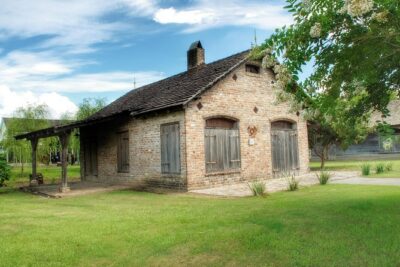 ★ 4.5Whitney Plantation Tour with Transportation from New OrleansFrom $891,351 reviews
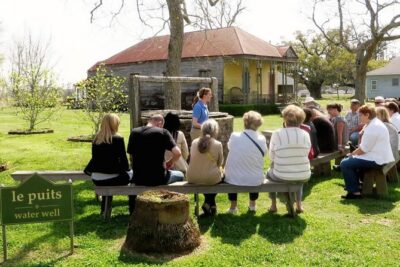 ★ 5.0Laura Creole Plantation Guided TourFrom $321,279 reviews
 ★ 4.5Airboat and Plantations Tour with Gourmet Lunch from New OrleansFrom $2791,246 reviews
 ★ 4.7Bayou Swamp Tour and Oak Alley Plantation TourFrom $1251,147 reviews
 ★ 4.7Oak Alley Plantation & Airboat Swamp Combo TourFrom $160906 reviews
 ★ 4.5Oak Alley Plantation and Large Airboat Swamp Tour from New OrleansFrom $160712 reviews
Browse the lists this tour appears in