

REVIEW · TOURS
Second Line Tour & Music Experience
Second lines feel like family. A New Orleans second line parade and music experience with local guide Hollis puts you close to the brass band, the dancing, and the colorful pageantry that spills through Treme and nearby neighborhoods. I especially loved how the street energy feels both ceremonial and spontaneous at the same time, and how Hollis makes the story of the tradition click in plain language. One thing to plan for is the pace, you will be in a large crowd and moving for about 150 minutes, so wear shoes you can dance in.
For $20, you get a live English guide, water, and a guided way to experience the parade instead of standing off to the side wondering what you are seeing. You also get an express security check, which helps keep the day moving. If you want quiet, this is not that tour, it is part party, part neighborhood history, and it moves block at a time.
Key Highlights You Will Actually Care About

- A local from Treme helps you read the parade, not just watch it
- Brass band plus street dancing in bright suits, hats, sashes, and banners
- Costumed procession with neighborhood traditions running for their own sake
- Water included, plus a route where vendors sell drinks and food
- 150 minutes on your feet, so comfort matters more than you think
What a New Orleans Second Line Really Means

Second line parades are not an event that only happens on one holiday. They happen through the year, often on Sunday afternoons, and they travel through the French Quarter and surrounding neighborhoods. The vibe is public celebration, but it is also community tradition, built over generations.
The roots are traced back to the 18th century, and you also see connections to 19th century fraternal societies and neighborhood organizations. Put simply, this is culture that grew in the streets, then kept going. That matters because the best part is not only the music, it is why people show up.
On the street, you get two things at once. You get the pomp of a courtly function, with matching outfits, banners, parasols, and that feeling that someone planned this carefully. Then you get the block party energy, where dancing pops off spontaneously, people talk while they move, and the crowd reacts like part of the performance.
If you have ever watched second line videos online, you might have seen motion and music. On this tour, you learn what is behind the motion, and you understand why people treat the parade like a rolling reunion.
Keep the day moving with these tours around New Orleans.


Meeting Up in Treme and Joining the Parade Momentum
The tour starts with a meeting point that can change, so you do not just roll up and hope. You are asked to call to confirm the meetup location the day before the tour. In practice, that small step saves you time and stress, especially in a city where neighborhood streets can be a maze.
When you meet, you get a live English guide and simple instructions for how to handle the crowd and stay with the group. The goal is to keep you aligned with the parade as it moves, not separated at the edges.
Then you join the second line in motion. You are not just hovering like a spectator on the sidelines. You are part of the walking crowd that follows along, so your experience is built around movement, music you can feel, and moments where you are close enough to see expressions, not just instruments.
The duration is about 150 minutes, which is long enough to feel like you lived part of the neighborhood, but short enough that you can still enjoy the rest of your day in New Orleans. Still, this is a walking experience, and you should treat it like one.
The Brass Band, the Costumes, and the Street Parade Theater

Here is what you can count on when the music kicks in: a brass band, jubilant dancing, and people dressed like it is a parade day and also a party night. You will see brightly colored suits, sashes, hats and bonnets, and banners carried through the streets.
The parade look is not random. It is tradition expressed through fashion, and it signals celebration. The crowd takes cues from the musicians. When the band hits a groove, people dance harder and the line of movement grows more animated.
One of the biggest surprises for first timers is how social the whole thing feels. The parade feels structured, but people still interact like they are hanging out with friends. In that mix, you get the blend of “this is ceremonial” and “this is joyful chaos.” It is a moving block party that advances one neighborhood segment at a time.
And yes, you will be around big energy, sometimes close to vehicles and porches as the parade passes. One of the joys from past experiences is seeing dancing on porches and vehicles, then watching how the crowd absorbs new people into the celebration.
Hollis Leads You Like a Cousin, Not a Lecturer
A huge reason this tour earns top marks is the guide. Hollis is described as part of the local fabric, including ties to Treme and even the concept of former “Kings” in that tradition. That local standing changes the tone of the walk. It is not a performance where the guide talks at you from a distance. It is more like being brought into the rhythm.
Hollis also keeps a large group together, which is easier said than done in a busy parade setting. You can feel the difference immediately. Instead of the group breaking apart into small clusters, you get real guidance on how to move with the parade and stay oriented.
The best part is the balance of story and vibe. You learn about the second line tradition, how it connects to neighborhood organizations, and why it is not tied to one specific holiday. You also hear local context that includes references to Hurricane Katrina, framed as local truths and understanding, not distant history talk.
If you want your New Orleans experience to feel human, this is one of the ways to get it. People talk about feeling like they are hanging with family. That is not just a nice sentiment. It helps you relax, and when you relax you enjoy the parade more.
How the Route Works, and Why Comfort Tips Matter

This tour is about being in the crowd and moving with it. That means the route is not a quiet museum stroll. You are walking alongside a procession that draws attention, so you should plan your body for the day.
Here is what to do before you even arrive:
- Bring comfortable shoes with real grip. You will likely do a lot of walking.
- Wear comfortable clothes for warm weather, because you will be outside and moving.
- Consider bringing a hat. Sun and heat can turn a fun walk into a miserable one fast.
- Keep cash on you for drinks and vendor food along the way.
Even the tour details point you toward hydration, and you will get water included. Still, carrying a little extra cash helps you join in when you want a cold beverage or a snack from vendors.
What does the experience feel like while moving? It feels like you are traveling through neighborhoods in small steps, guided by the band’s momentum. The parade moves, you move, then you pause for a moment to take it in, and the cycle repeats.
If you have limited mobility, do not assume you must follow every step. One participant using a wheelchair said they were still able to watch the parade and get information from the guide, even if they could not follow the entire route. That suggests you can plan to enjoy sections, stay present, and use the guide’s explanations to make up for time you cannot spend walking.


Food, Drinks, and the Moment After the Music

Second line culture includes eating and drinking as part of the day. Along the parade route, there is opportunity to buy beverages from vendors. That is why cash matters, it makes it easy to say yes in the moment instead of checking if you can pay with a card.
When the parade winds down, you may find it easy to keep the day going with food afterward. In one example, the group shared a meal at a local restaurant after the tour, including Heard Dat Kitchen. I cannot guarantee every group ends at the same place, but the pattern is clear: the tour sets you up to continue enjoying local flavor right after.
If you like pairing a cultural activity with a solid meal, this works well. You go from music in the street to real food with the same energy still in the air.
Price and Time Value: Is $20 Worth 150 Minutes?
At $20 per person for about 150 minutes, this tour is a value play for two reasons.
First, you are paying for access and guidance, not just for being near a parade. Second line parades are happening all over New Orleans, but the difference is knowing what you are seeing and how to move with the group. The guide experience is the product here.
Second, the tour includes water. That sounds small until you realize it is hot walking time, and hydration becomes a practical need, not an optional extra.
Also, the price is low enough that you can pair it with other New Orleans plans. You are not locking your whole budget into one big-ticket attraction. Instead, you get a high-impact cultural experience and still have room for other meals and sights.
The only drawback is that the value depends on your willingness to be active. If you want a short, sit-down style tour, 150 minutes in motion might feel like too much. If you are down for street energy and walking, this is a smart spend.
Who Should Book This Second Line Tour (And Who Might Skip It)

This is a great fit if you want:
- A hands-on way to experience New Orleans culture, with dancing and brass band energy up close
- A local guide who explains the tradition and keeps the group together
- A tour that mixes fun with context, including why second lines exist beyond holidays
- A price that works for couples, solo travelers, and families who want a shared experience
You might think twice if you want:
- A quiet, low-crowd outing
- Minimal walking
- A tour that feels like a sit-down museum style experience
If you are traveling with kids, it can still work because the parade energy grabs attention. Just remember the crowd and walking time. If you have mobility limits, plan to pace yourself, and communicate what you need to the guide so you can enjoy the parade even if you cannot do the full route.
Practical Tips to Make Your Tour Feel Like a Win

Based on what matters on the ground, these are the small moves that improve everything:
- Wear shoes for dancing, not for looking cute. Your feet will decide how much you enjoy it.
- Bring cash, so you can grab beverages and vendor food without friction.
- Stay hydrated, even with water provided. Carrying a little extra time in your head helps.
- Call the day before to confirm the meetup location. It keeps your start smooth.
- Be flexible. The parade world is alive. The flow can feel spontaneous even when you have a plan.
One more tip: bring a hat or something for sun. You will be in bright colors, bright lights, and bright energy, and you want your comfort to match your enthusiasm.
Should You Book This Second Line Tour or Skip It?
Book it if you want an authentic New Orleans experience that feels local, musical, and community-focused, with a guide like Hollis who helps you understand what you are seeing while you are right in the middle of it.
Skip it if you need quiet, want a short stop with lots of seats, or do not like crowds and walking for about 150 minutes.
If you do book, show up ready to participate. This tour works best when you treat it like a street celebration you are joining, not a show you are watching from far away. With the water, the guide, and the street-level energy, it is one of the easiest ways to spend $20 in New Orleans and feel like you got the point.
FAQ
How long is the Second Line Tour & Music Experience?
The tour lasts about 150 minutes.
How much does it cost?
It costs $20 per person.
Where does the tour take place?
Second line parades and music experiences are held across New Orleans, usually in the French Quarter and nearby neighborhoods.
Do I need to confirm the meetup location?
Yes. You should call to confirm the meeting location the day before the tour.
What should I bring?
Bring comfortable shoes, comfortable clothes, and cash.
Is water included?
Yes, water is included.
Is there a live guide?
Yes, the tour includes a live English-speaking tour guide.
Is there a way to move through security faster?
The experience includes an express security check.
What is the cancellation policy?
You can cancel up to 24 hours in advance for a full refund.
What is the best time to go based on how these parades are scheduled?
Second line events are commonly held on Sunday afternoons.
More Tours in New Orleans


More Tour Reviews in New Orleans
More ways into New Orleans


Tours, compared.
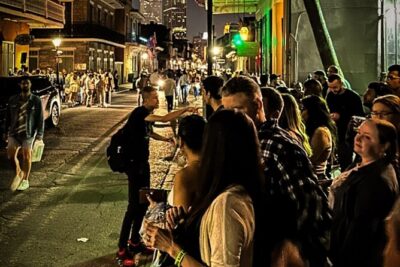 ★ 4.5New Orleans Premier Ghost, Voodoo and Vampire Walking TourFrom $2712,856 reviews
 ★ 5.0Adults-Only New Orleans Ghost, Crime, Voodoo, and Vampire TourFrom $376,545 reviews
 ★ 5.0New Orleans Food Walking Tour of the French Quarter with Small-Group OptionFrom $756,118 reviews
 ★ 5.0New Orleans Swamp and Bayou Boat Tour with TransportationFrom $705,399 reviews
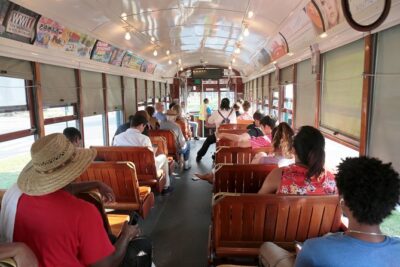 ★ 4.5New Orleans City Sightseeing Hop-On Hop-Off Bus TourFrom $514,943 reviews
 ★ 4.5St. Louis Cemetery No. 1 Official Walking TourFrom $253,941 reviews
 ★ 5.0Swamp Boat Ride and Oak Alley Plantation Tour from New OrleansFrom $1313,303 reviews
 ★ 5.0New Orleans Adults-Only Ghost, Voodoo and Vampire TourFrom $293,291 reviews