

REVIEW · NEW ORLEANS PLANTATION TOURS
New Orleans: Whitney Plantation & Museum Tour
A slavery tour can change how you see Louisiana. This 5-hour ride on the River Road and into the Whitney Plantation museum connects plantation labor to the Louisiana you see today. Two things I really like are the way the bus outing sets the stage as you pass antebellum properties, and the slow, self-paced museum walk through memorial grounds and original slave cabins.
One possible drawback to plan for: this experience is self-guided, so you are responsible for using the provided headsets and moving at your own pace. If you want a classic, nonstop live lecture at every stop, you may find it less suited than some other tour formats.
Key things to know before you go

- River Road context, not just scenery: You travel the route tied to the largest slave rebellion in US history, plus you’ll pass antebellum plantations along the way.
- Whitney Plantation grounds at your speed: You can walk the memorial space without being rushed, and you’ll see original slave cabins.
- Headsets for clear audio: You get audio support so the stories land as you explore.
- Bus tour comfort: The coach is air-conditioned, and it helps make the day feel smooth start to finish.
- You choose quiet reflection or active learning: Memorials are meant for thought, but the information is there for anyone who wants details.
- Bring comfortable clothes: You’ll be doing outdoor walking on the grounds.
River Road bus ride from Canal Street: antebellum views with a hard focus

This half-day tour is built around one simple idea: context first, then reflection. You start with hotel pickup, and from there the coach heads out along Louisiana’s historic River Road, the kind of route many people associate with romance and old houses. Here, that contrast is the point.
As you ride, you’re told the bigger story behind what you’re seeing. The route is tied to the largest slave rebellion in United States history, and the ride helps you understand why this area mattered so much to enslaved people, plantation owners, and the economy that fueled the region. The driver also sets the tone. In at least one account, the on-board driver Jay was praised for being both knowledgeable and friendly, and there’s a mention of filming-location stops along the way that made the drive feel more like an experience than a transfer.
Expect to pass antebellum plantations along the River Road. These are the same visual cues that you’ll see in photos across the South, but on this ride they become evidence. You’re not just looking at architecture, you’re thinking about how plantation labor powered wealth and how cruelty and resistance shaped daily life. Even if you already know some US slavery history, the geography makes it real.
One practical note: the bus ride includes scenes from movies. That might sound odd at first, but it can work as an audio-visual bridge. It helps you connect what you’ve just learned about to the emotional tone of storytelling you might have encountered in film or TV. Just remember: the museum portion is the core.
More plantation visits from New Orleans, with the history kept in view



Whitney Plantation Memorial Museum: original slave cabins and the stories you hear
When you arrive at Whitney Plantation, the focus shifts from the road to the people. Whitney is a museum and memorial dedicated to honoring enslaved people, and the grounds are arranged to keep the subject matter front and center. This is not about pretending the past is comfortable. It’s about facing it.
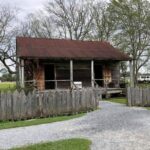
What you’ll do there is refreshingly straightforward. You walk the grounds at your own pace, and you have the chance to visit original slave cabins. Those cabin stops matter because they shift your mental picture from abstract facts to physical space. You see how small living quarters could be, and you get a better sense of how confinement shaped everyday life.
The memorials are described as moving, and you should treat them that way. Give yourself time. If you rush through, you’ll miss what the site is trying to communicate: endurance, survival, and the human cost of plantation slavery. The audio via headsets is built for exactly this type of slow attention. You can pause, listen, look again, and move on when you’re ready.
Also consider the emotional rhythm. The museum grounds can feel heavy. You don’t need to force yourself to keep going at full speed. The self-paced format is a plus here. If you want to stand quietly near a memorial for an extra minute, you can.
Is there a downside? A small one shows up in real-world expectations. One account notes that this option can feel smaller than other plantation choices and that they wished the big house portion was restored. That doesn’t change the purpose of the museum, but it is useful to know before you book if your ideal plantation tour includes a grand main house for photos.
Self-guided with headsets, not a traditional museum lecture

This tour is self-guided at the museum. You’re given headsets to hear the self guide clearly, and that is the backbone of the experience. On the bus, you typically get a guided feel through the River Road portion, with a live English-speaking driver providing context.
In some cases, people mention being able to listen in to a guided tour while still doing the self-guided route. But there are also mixed notes about whether a fully guided walkthrough was available during the museum portion. That means you should not count on a park-ranger style guide pacing you through every stop.
So here’s how I’d approach it so you get the most out of it:
- Put the headset on as soon as you start walking the grounds, not later.
- Listen once for the facts, then a second time only where you feel curious or unsettled.
- Pace yourself so you can stop at memorial points without your audio constantly moving past you.
A driver who is warm and funny can make the ride there easier emotionally. In one account, the guide was praised for sharing knowledge respectfully even while keeping the mood human on the drive. That matters because leaving New Orleans for plantation country is a jolt, and a good start can help you keep your attention steady once you reach Whitney.
What the tour teaches about slavery’s impact in Louisiana

The title on a ticket might say plantation tour, but the payoff here is understanding how slavery shaped Louisiana in more than one way. The experience is positioned to connect the past with the present, and you’ll see that in how the tour is framed.
From the River Road to the museum grounds, you get a chain of ideas:
- Enslaved Africans lived and labored on sugar plantations.
- Plantation owners and the broader economy benefited, shaping Louisiana’s culture and economy.
- Enslavement was not just one event, it was a system that affected people’s lives, families, and the region’s future.
- Resistance was real too, including what’s tied to the largest slave rebellion in US history.
You don’t need to treat this as a checklist of US history dates. The goal is to build a mental map. The road ride gives you geography. The cabin stops give you physical reality. The memorials give you emotional and ethical context.
And that is why this sort of tour earns its strong reputation. You leave with more than facts. You leave with a change in perspective about what you’re seeing when you look at plantation-era landmarks, and how the wealth and legends tied to that era were created.
Timing, pickup windows, and how to meet the coach without stress

This tour runs about 5 hours, and the day is designed around a single morning departure. Hotel pickups begin between 8:00am and 8:30am, with a 30-minute pickup window. The practical takeaway is simple: arrive ready early.
If you aren’t on-site by 8:00am, you risk missing the first pickup attempt. Drivers make multiple stops, and that grace period is real, but you should still aim to be waiting. One traveler experienced pickup time confusion, with ticket details indicating different times and a call that did not get answered. That is a reminder to double-check your confirmation details and be present at your pickup point early.
Most hotel pickups are available within a 1 to 2 mile radius of 414 Canal St. If your hotel is outside that range, you meet at 414 Canal St, New Orleans, LA 70130, near Jazz Gumbo on Canal St between Tchoupitoulas and Magazine St, about a block from Caesars Casino.
Given how strongly the schedule depends on getting you on the coach, I recommend using the pickup point as a certainty. If you think you might be late, choose the Canal St meeting point rather than relying on a pickup that could be on the far side of the window.
A few more ways to spend the day around New Orleans





$79 value check: transport, museum access, and what to budget for

At $79 per person for a 5-hour experience, the price is not bargain-basement, but it’s also not out of line for a guided bus outing plus museum admission style access.
Here’s what you do get for that cost:
- Hotel pickup and drop-off (for hotels in the pickup area)
- A River Road bus tour
- Whitney Plantation tour
- Headsets so you can hear the self-guided audio clearly
- A guide as part of the experience flow
- Scenes from movies during the journey
What you do not get:
- Food and drinks
That last line matters. Plan on spending your own money for snacks or a meal before you leave, or build a quick plan for afterward. Since you’ll start in the morning and be away for about 5 hours, bringing water is smart even if you buy it after you return.
Value also comes from what you’re avoiding. You’re outsourcing the logistics of getting from New Orleans to the plantation site and back. For many people, that single benefit is worth the price on its own. And the headsets plus self-guided grounds mean you’re not stuck in a rushed, one-size-fits-all group experience the whole time.
With an overall rating of 4.8 based on 59 reviews, the main pattern is that people leave feeling the tour is impactful and well organized. That impact is not just emotional. It’s educational in a practical way, because the audio and the walk format help you make sense of what you’re seeing.
Who this tour fits best, and who should consider alternatives
This Whitney Plantation and Museum Tour is best if you want:
- A structured ride out of New Orleans with context
- A memorial-focused site with time to reflect
- A self-guided museum experience supported by headsets
- Comfortable transport on a coach, including air conditioning
I also think it fits travelers who dislike feeling rushed. The grounds are walkable at your own pace, so you can spend more time at memorial points that affect you. If you prefer to take breaks when the topic gets heavy, this format is easier to manage than a tight group schedule.
Who might want a different option?
- If you want a big-house, photo-heavy plantation tour, note that one expectation mismatch shows up in comments about size and the wish for a restored main house.
- If you require a fully live guide walking you through every museum stop, be aware that the museum is self-guided. You might get extra guidance on some parts, but you should not assume it.
Still, even with those considerations, the tour’s focus on honoring the enslaved and showing original slave cabins makes it a meaningful choice for many first-time visitors to the region.
Should you book the Whitney Plantation and Museum Tour from New Orleans?
Book it if you want a half-day that connects the road outside New Orleans to what happens on the plantation grounds, without turning slavery into a sightseeing checklist. I’d especially recommend it if you value a museum visit where you can control your pace, because the headsets and self-guided layout support that.
Skip or compare if you’re looking for a purely scenic plantation drive, or if you need constant live interpretation at every stop. In that case, you may feel frustrated by the self-guided structure.
If you do book, do two things to make it smoother: wear comfortable clothes, and plan to arrive early at the pickup point or use the Canal St meeting location as your fallback. Then you can focus on what this tour is really about, understanding how cruelty, endurance, and survival shaped Louisiana, and carrying that perspective back with you.
FAQ

How long is the New Orleans Whitney Plantation & Museum Tour?
The duration is 5 hours.
Is the Whitney Plantation portion self-guided?
Yes. The Whitney Plantation Museum part is self-guided, and you’ll have headsets to hear the self guide clearly.
What is included in the price?
Included: hotel pickup and drop-off, a River Road bus tour, the Whitney Plantation tour, headsets, a guide, and scenes from movies.
What is not included?
Food and drinks are not included.
What time does pickup start, and is there a time window?
Hotel pickups begin between 8:00am and 8:30am, with a 30-minute pickup window. You should be ready by 8:00am.
Where is the pickup location if my hotel is outside the pickup area?
Meet at 414 Canal St, New Orleans, LA 70130, near Jazz Gumbo on Canal St between Tchoupitoulas and Magazine St.
What should I bring?
Wear comfortable clothes.
What is the cancellation policy?
Free cancellation is available up to 24 hours in advance for a full refund.
More New Orleans Museum Tickets






More Whitney Plantation Tours in New Orleans
More Plantation Tours from New Orleans

More ways into New Orleans


New Orleans Plantation Tours, compared.
 ★ 5.0Swamp Boat Ride and Oak Alley Plantation Tour from New OrleansFrom $1313,303 reviews
 ★ 4.5Oak Alley Plantation Tour with Transportation from New OrleansFrom $891,747 reviews
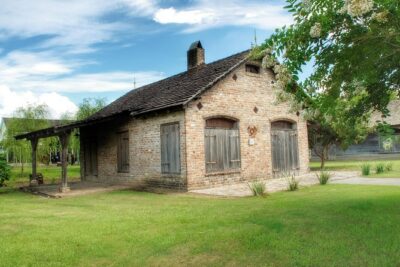 ★ 4.5Whitney Plantation Tour with Transportation from New OrleansFrom $891,351 reviews
 ★ 5.0Laura Creole Plantation Guided TourFrom $321,279 reviews
 ★ 4.5Airboat and Plantations Tour with Gourmet Lunch from New OrleansFrom $2791,246 reviews
 ★ 4.7Bayou Swamp Tour and Oak Alley Plantation TourFrom $1251,147 reviews
 ★ 4.7Oak Alley Plantation & Airboat Swamp Combo TourFrom $160906 reviews
 ★ 4.5Oak Alley Plantation and Large Airboat Swamp Tour from New OrleansFrom $160712 reviews
Browse the lists this tour appears in