

REVIEW · NEW ORLEANS PLANTATION TOURS
New Orleans: Whitney Plantation Half-Day Tour (Guided Tour)
A plantation day, with real answers and soft comfort. This small-group outing mixes a luxury van ride, a mini tour of New Orleans culture, and dedicated time at Whitney Plantation and Oak Alley. I especially like how the day moves from street-level context to plantation-era specifics, so you understand what you are seeing, not just where to take photos.
My favorite part is the human touch along the route. Drivers and guides such as Kin, and guides like Kendrall or Kindrell in other departures, keep things conversational as they point out what to notice before you reach the main sites. The one drawback to plan for is simple, this is a half-day format, so a few stops are short photo breaks, not long explorations, and meals are on you.
Key things that make this tour worth your time

- Pickup from Jackson Square area, with the van ride starting right where most first-time NOLA days begin
- Luxury van comfort, leather seating, climate control, bottled water, and USB charging
- Guided culture warm-up from your driver, with extra context so the plantation stops make sense
- Whitney Plantation focus on Plantation labor and survival, including Habitation Heidel and how cash crops shifted
- Oak Alley time includes the big house and the oak alley walk, with about three hours to explore
A half-day plantation route with comfort and context

This tour is built for people who want plantation history without turning the day into a chaotic, bus-to-bus scramble. You get a structured route out of New Orleans, but the pacing still feels sane because your transportation is set up to be comfortable, and the guide work starts before you even reach the plantations.
The van portion matters more than you might think. On tours like this, it is easy to arrive at a plantation site with only broad impressions, then feel lost once you are standing in the middle of centuries-old buildings and grounds. This one sets you up with cultural context first, then layers in the plantation story at the right moments, including what made money and how that changed over time.
And the tone is practical. Even when the subject is heavy, the experience is explained in a way that helps you follow the thread. That is not always true on plantation outings, where the day can become a highlight reel of architecture and photo angles.
More plantation visits from New Orleans, with the history kept in view


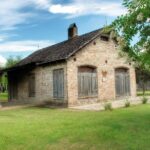
Pickup around Jackson Square, then a culture warm-up in the van
Your day starts in the French Quarter area. If you are staying within about a 2-mile radius of the French Quarter, pickup and drop-off happens at your hotel. If not, you meet at Jackson Square in front of St. Louis Cathedral. Either way, it is designed to be easy to find and less stressful than coordinating multiple transit hops.
Before you ever reach the plantations, your driver guides you through a mini tour of New Orleans culture. That is one of the best uses of your time because you are learning the city’s social and cultural rhythm, not just collecting trivia. Then, as you head out, you also get quick context at stops along the route. That means when you later see plantation buildings and grounds, you are not starting from zero.
Comfort details also help here. The van is described as luxury and climate-controlled, with leather seating. You also get complimentary bottled water and USB charging ports. If you are carrying a phone for photos, maps, or notes, having charging on the ride is genuinely useful.
Small-group size makes the mini tour feel human. Limited to 12 participants, this setup is meant to keep questions possible and the conversation from turning into a lecture that only the front row can hear.
Whitney Plantation: Habitation Heidel and the way plantation cash crops changed

Whitney Plantation is where the tour’s focus becomes specific. This is not framed as a quick “look at the house” stop. The aim is a full-scope view of how a southern plantation system worked in the 18th century, including how money was made, and what the enslaved labor experience meant in practical terms.
You start with the Habitation Heidel story, also known historically as the Heidel Plantation. The property has undergone many changes across about 250 years, but the interpretation centers on key turning points. One major origin point is Ambroise Heidel, a German immigrant from the Rhineland area who purchased the property in 1752 and established a small indigo plantation.
Here is a detail that helps you understand why this site matters: in those early years, Heidel relied on the expertise of enslaved Africans, with ownership described as around 20 people tied to indigo production. You then connect that to the broader pattern in 18th-century Louisiana, where many enslaved people sold into slavery had origins in West African areas known for cash-crop production, specifically rice and indigo.
Then the tour connects crops to changing life. After 1795, sugar production grows in Southeast Louisiana, and that shift brings major changes for both free and enslaved people. It is a reminder that plantation history is not one static timeline. The economy changes. The daily routine changes. The stakes change.
At Whitney, you also get time to explore the grounds before the day moves on. That alone can be valuable, because plantation sites can overwhelm you if you rush. Having a dedicated window helps you slow down enough to absorb what you are seeing, then return to the guided explanation with better clarity.
A note on expectations
Whitney Plantation is emotionally serious. If you want a light, party-friendly outing, this will not match that mood. But if you want a tour that treats the subject carefully and explains why the plantation system worked the way it did, this is where the day earns its meaning.
Oak Alley: oak-tree walking, big house time, and classic plantation staging

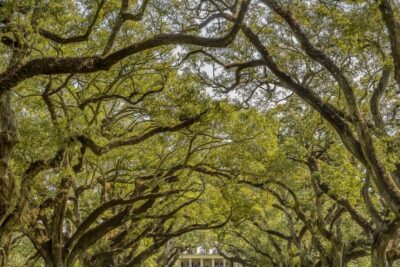
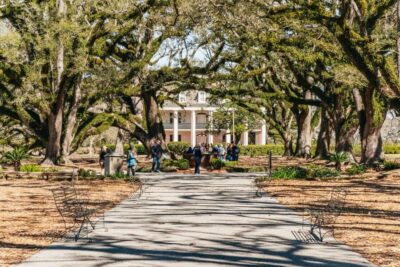
Oak Alley is the contrast stop, and that contrast is exactly why it works. You are leaving Whitney’s heavy, interpretive focus and moving to a site famous for a signature visual, the iconic alley of oak trees.
You get about three hours at Oak Alley Plantation to explore the national historic landmark. That is enough time to do the core experience without feeling rushed. The tour includes entrance to the big house, and you are invited to walk under the oak-tree alley. This included time matters because the oak alley is not something you want to squeeze into a two-minute photo stop. It is a slow, memorable walk, even when you are thinking about the human history beyond the scenery.
One practical bonus: this is also where lunch becomes an option. The day notes that you can have lunch at the restaurant or deli on-site. Food is not included in the tour price, but knowing where the meal window exists helps you plan your budget and avoid arriving hungry.
A few more ways to spend the day around New Orleans

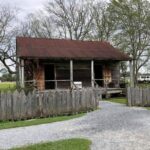




The quick stops en route, and why they still matter

This route includes several short photo stops as you travel. Evergreen Plantation is a brief photo stop early on. Laura Plantation also appears as a quick stop, and St. Joseph Plantation, Felicity Plantation are listed as short photo breaks as well. Oak Alley is also shown as a brief sight view point in the driving sequence, but your real time there is tied to your longer explore window.
These short stops can be frustrating if you come expecting a full guided tour at every location. Still, they add value when you think of them as orientation points. Your driver does more than just point at buildings. They explain enough to help you recognize differences, including the contrast between what is sometimes called Creole plantation style and American plantation style.
There is also a scenic element that keeps the day from feeling like nonstop history. The schedule includes a photo stop connected to Lake Pontchartrain and a drive break through Vacherie, with brief viewing windows. These pauses can help your brain reset between interpretive sites.
Timing, walking, and the small-group pacing that keeps it workable
The total duration is listed as 330 minutes, so this is a true half-day plan. You will spend part of the time driving. The drive to Oak Alley is noted as about 1 hour and 15 minutes, and then the day is filled in with a mix of short stops and the longer Oak Alley window.
Because the group is limited to 12, you are less likely to feel like you are waiting in a long line with strangers at every turn. It also makes the guide’s mini tour style easier to follow.
Walking expectations are modest but real. You should plan for walking around plantation grounds, including the oak alley walk at Oak Alley, which is part of the experience. The included items also suggest you will be moving between outdoor areas and the big house.
If you are sensitive to long sun exposure, plan for Louisiana heat. Even with a climate-controlled van for the ride, plantation grounds are outdoor for most of the day. Bring your own water comfort strategy, even though bottled water is provided on board.
Price and what you get for $86 per person

At $86 per person, the price can look steep at first glance. But this outing includes the pieces that typically cost extra when you book piecemeal.
You are paying for:
- Pickup and drop-off (hotel within about 2 miles of the French Quarter area, or meeting at Jackson Square for others)
- Transportation to the plantation corridor
- A guided mini tour approach, including explanations along the way
- Included entry to the Oak Alley big house
- The included walk under the oak-tree alley
- Small-group experience limited to 12
- Comfort perks on the van like climate control, bottled water, and USB charging
Food is the main thing not included. That is common for tours like this, but it is also a place where you can control your budget. The day notes an on-site lunch option at Oak Alley, so you can decide what fits your appetite and wallet.
When I look at value, I ask one question: does this tour save me time and decision-making? It does, because pickup is set, the route is handled, and you are not trying to coordinate entrance tickets while traveling between sites.
Who this tour suits best, and who might want a different plan

This is a great fit if you:
- Want a half-day itinerary that covers multiple plantation stops without consuming your whole day
- Prefer a small group and a driver who also acts like a moving guide
- Like having comfort and simple conveniences, like USB charging and bottled water
- Appreciate context, especially at Whitney Plantation, where the story is tied to specific people and cash crop shifts
It may not be ideal if you:
- Want a long, uninterrupted guided tour at every single plantation you pass
- Need meals fully included in the price
- Get easily frustrated by short photo stops, since several sites are brief windows rather than full-length visits
Guides who set the tone, from Kin to Kendrall

One of the standout praise themes is how much the guide work shapes the day. In particular, Kin is mentioned for picking people up on time, giving a guided mini tour while driving through New Orleans and then out toward the plantations. That same approach includes stopping by each plantation along the way to explain what to notice, then continuing that interpretation through the drive.
Kendrall is described as engaging and thoughtful, prepping the group before arriving at Whitney. That kind of prep is underrated. It means you reach Whitney already looking for the right details, like Habitation Heidel and the story behind indigo production, rice and indigo origins, and the shift to sugar after 1795.
There is also praise for the overall safe, attentive vibe, with guides described as making people feel in good hands. That matters more on days that combine driving, heat, and emotionally intense sites.
FAQ
How long is the New Orleans Whitney Plantation half-day tour?
The tour duration is listed as 330 minutes.
Where does pickup and drop-off happen?
Pickup and drop-off are included. If you stay within about a 2-mile radius of the French Quarter, pickup happens at your hotel. If you are farther away, you meet at the front of Jackson Square, in front of St. Louis Cathedral.
What is included at Oak Alley Plantation?
Entrance to the big house is included, and you are invited to walk under the iconic alley of oak trees.
How much time do I spend at Whitney Plantation?
You have about 2.5 hours to explore Whitney Plantation.
Is food included in the tour price?
No. Food and drinks are not included, but lunch is an option at the restaurant or deli during your time at Oak Alley.
How large is the group?
The tour is a small group with a maximum of 12 participants.
Should you book this tour?
Yes, if you want a half-day that blends comfort with real interpretation. I would book it if you care about understanding plantation economics and how the story shifts from indigo to sugar, and if you like the idea of a van guide who adds context as you drive out of New Orleans.
I would skip or choose a different format if your priority is spending long guided time at multiple plantations without any photo-stop compression. This one gives you real time where it counts, about 2.5 hours at Whitney and about 3 hours at Oak Alley, and it uses the shorter stops to set up what you are about to see.
More Tour Reviews in New Orleans





More Whitney Plantation Tours in New Orleans
More Plantation Tours from New Orleans
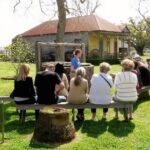

More ways into New Orleans


New Orleans Plantation Tours, compared.
 ★ 5.0Swamp Boat Ride and Oak Alley Plantation Tour from New OrleansFrom $1313,303 reviews
 ★ 4.5Oak Alley Plantation Tour with Transportation from New OrleansFrom $891,747 reviews
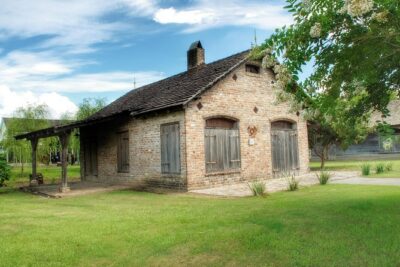 ★ 4.5Whitney Plantation Tour with Transportation from New OrleansFrom $891,351 reviews
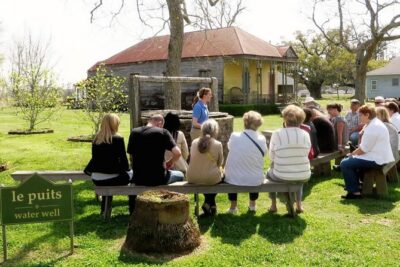 ★ 5.0Laura Creole Plantation Guided TourFrom $321,279 reviews
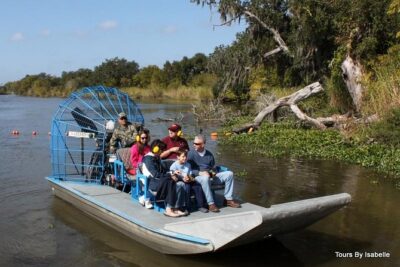 ★ 4.5Airboat and Plantations Tour with Gourmet Lunch from New OrleansFrom $2791,246 reviews
 ★ 4.7Bayou Swamp Tour and Oak Alley Plantation TourFrom $1251,147 reviews
 ★ 4.7Oak Alley Plantation & Airboat Swamp Combo TourFrom $160906 reviews
 ★ 4.5Oak Alley Plantation and Large Airboat Swamp Tour from New OrleansFrom $160712 reviews
Browse the lists this tour appears in