

REVIEW · NEW ORLEANS PLANTATION TOURS
New Orleans: Whitney Plantation Audio Tour with Transfers
A quiet town changes you fast, especially here. Whitney Plantation is a Louisiana museum devoted to the lives of enslaved people, and the audio-guided, self-paced format lets you slow down where the story asks you to. I like that the day is built around key spaces on the grounds, not a rushed checklist.
Two things I really value: you get dedicated time to visit slave cabins and learn about daily work and hardships, and you also see the Freedmen’s Church plus a memorial that brings the emotional weight into focus. One possible drawback to plan for is that this experience is not suitable for wheelchair users.
Key Points You Should Know Before You Go

- Self-guided audio headset means you control the pace at each stop.
- Focused route on enslaved lives, with working conditions and daily reality at the center.
- Freedmen’s Church is included as a meaningful symbol of hope and resilience.
- A built-in contrast happens when you visit the 1790 owner’s house after the living and working areas.
- Memorial time gives you a respectful end point to the visit.
- Hotel transfers handle the 70-mile journey from New Orleans, then bring you back.
Whitney Plantation’s Focus: Why This Museum Hits Different

Whitney Plantation is not trying to romanticize plantation life. It is built around one specific purpose, telling the story of enslaved people. That focus changes what you notice as you move from place to place. Instead of big-sky romance, the grounds encourage careful attention to how people lived, worked, and endured.
What helps most is the tour design. You do not just walk through exhibits in a building. You move through important outdoor and architectural spaces, guided by an audio headset. That setup keeps the experience grounded in place, and it makes the contrast between rooms, buildings, and purpose much harder to ignore.
I also appreciate that the narrative includes both loss and resilience. The route builds toward moments that highlight not only suffering, but the lasting legacy of people who survived and endured. You can feel that rhythm as the tour moves from living areas, to church, to work spaces, to the owner’s house, and finally to the memorial.
If you are looking for a plantation visit that treats slavery as the central subject, this is one of the most direct ways to do it.
More plantation visits from New Orleans, with the history kept in view



Hotel Pickup and the 70-Mile Ride Out of New Orleans
The day starts with hotel pickup and drop-off in New Orleans. Transfers are a real quality-of-life win here, because Whitney Plantation is about 70 miles from the French Quarter. Instead of coordinating a ride or driving yourself for a long stretch, you spend the travel time getting oriented.
On the drive out, the schedule gives you a moment before the grounds begin. That matters for a visit like this. Slavery history is heavy, and the best use of your brain on a long road is to arrive ready to listen.
Transfers are also handled by the activity provider, Crescent City Tours & Transportation, which keeps things straightforward. You are not stuck figuring out where to go next, and you are not trying to time your own return after a quiet, reflective kind of visit.
You should still treat the overall length seriously. The activity runs 390 minutes, so build your day around it, not around a bunch of late-night plans.
Slave Cabins: The Daily Reality the Audio Headset Keeps Close

The tour begins by visiting the slave cabins, and this first stop shapes how the rest of the experience lands. You hear the story through a headset, which lets you keep your attention on what is around you. The audio approach can be especially helpful when emotions run high, because it gives you structure.
Here is what the tour emphasizes: the daily lives, the hardships, and how people worked on the plantation. You are not just seeing a building. You are learning what routines and constraints meant for real bodies and real days.
A practical tip: give yourself time at each cabin stop and do not treat it like a quick photo stop. If you rush, you lose what makes the audio narration powerful. The tour’s pace is self-guided, so you can linger when you need to, then move on when you are ready.
Also, this is the point where many visitors feel the biggest shift. You go from imagining slavery in the abstract to confronting the ordinary physical reality of where people lived and endured.
Freedmen’s Church: Hope and Resilience in One of the Most Moving Stops
Next up is Freedmen’s Church, included as a symbol of hope and resilience for people who sought freedom. This stop changes the emotional temperature of the route. You are still in a history that never pretends it was easy, but now you see how faith and community became part of the story after slavery.
What I like about including a church stop in this kind of museum is that it helps you move beyond only pain. The audio tour frames it as more than an old building. It is presented as a sign of endurance and an ongoing legacy, and that matters for how you remember what you learned.
When you reach this section, I recommend adjusting your pace. If you keep walking fast, you might miss how the narration ties the physical space to the idea of hope. Let the stop breathe.
This is also one of those places where silence feels appropriate. Even if you are hearing audio, your body may want a slower rhythm.
Kitchen and Outbuildings: How Plantation Work Functioned
After the church stop, the tour moves to the detached kitchen and outbuildings. This is where the day-to-day machinery of the plantation becomes clearer. The audio guide uses these spaces to explain plantation operations and the harsh working conditions enslaved people endured.
You are moving from living areas into the parts of the plantation where labor and production happened. In a tour like this, that sequence is not random. It builds understanding in your mind: where people lived, where they worshipped, where food and work were handled, and then how much of the system depended on forced labor.
Two things to keep in mind at the kitchen and outbuildings:
First, pay attention to the purpose of each area, because the story is about how the plantation ran.
Second, do not expect every stop to feel equally emotional. Some parts may feel informational and stark, and that can be just as important as the more clearly heartbreaking moments.
A few more ways to spend the day around New Orleans

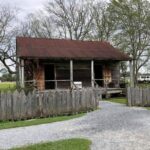




The 1790 Owner’s House: A Stark Contrast You Cannot Unsee

Then comes the visit to the 1790 owner’s house. This is where the museum deliberately creates contrast. After you have seen cabins, church space, and work areas, entering the owner’s house can feel like stepping into another world entirely.
The tour highlights the disparity of the era, and the sequence helps you process that point. It is harder to dismiss the inequality when you have already walked the grounds and heard the daily reality described at earlier stops.
I find this kind of contrast approach useful because it keeps the narrative grounded. You are not being asked to take someone’s word for injustice. You are experiencing the difference in setting and purpose, and the audio guide helps you connect what you see to what you just learned.
If you want one piece of advice, it is this: do not rush the owner’s house. You do not need to stare, but you should give yourself enough time to actually register the gap the tour is aiming to show.
Memorial Stop: Closing the Visit With Respect

The tour ends with a memorial honoring those who suffered under slavery. This final moment is not just a ceremonial pause. It is a chance to recognize the human cost behind the buildings and narration.
If the earlier stops filled your mind with daily realities, the memorial gives your thoughts somewhere to land. You are not supposed to sprint to the next thing. Use the time to reflect and to absorb what the whole route has been communicating.
This part also helps with closure. Many museums end with shopping or a fast exit. Here, the tour finishes with memory first, which changes how you leave.
After the memorial, you get 30 minutes for a gift shop visit, restrooms, or a quick snack. That little buffer is practical. You can take care of yourself without feeling like the experience ended abruptly on a cold walk back to the vehicle.
Transfers and Timing: How a 390-Minute Schedule Really Feels
The total duration is 390 minutes, which is long enough that timing matters. The day includes:
- hotel pickup and drive out
- audio-guided self-paced touring time across multiple stops
- time after the tour for the gift shop, restrooms, or a quick snack
- return to your hotel
Because the tour is self-guided, your personal pace matters most. If you linger at the cabins or want extra quiet time during the memorial stop, you will feel it. If you move quickly, you may have more time in the final 30 minutes.
Either way, plan your day so you are not trying to stack other major activities immediately afterward. You will likely come out tired in a thoughtful way, the kind that makes dinner plans feel less exciting than normal.
Price and Value: Is $81 Worth It?

At $81 per person, you are paying for a combination of things that add up:
- hotel pickup and drop-off
- an audio guide
- entry ticket to Whitney Plantation
For a 70-mile trip from New Orleans, transportation is often where the hidden costs appear if you go on your own. Here, the transfers remove that hassle and make it easier to keep your schedule. The audio headset is also a meaningful value because it drives the visit format, and the museum admission is included.
Is $81 “cheap”? No. But the price feels more like paying for a guided structure than paying for a bus tour. You are buying a full day, a specific educational focus, and hands-free narration that you can pause and revisit as you choose.
If you care about understanding slavery history in a serious, place-based way, this is strong value. If you are only looking for a casual plantation photo stop, you might find the tone too heavy and the focus too direct.
Practical Tips So the Audio Tour Lands the Right Way
This is one of those experiences where small choices affect your day. A few tips based on how the tour is built:
- Bring your patience. The visit is self-paced, but the content is emotionally demanding.
- Wear comfortable shoes. You will be moving between multiple parts of the property.
- Plan for the lack of included meals. Meals and beverages are not included, so think about snacks outside the provided 30 minutes if you need them.
- Use the audio headset thoughtfully. Let the narration guide you at each stop, then take a minute after it finishes so your brain can catch up.
- If you need extra quiet time, use it during slower stops like the church and the memorial rather than trying to “make it up” by skipping early spaces.
And here is a personal preference that often helps: avoid treating it like a sprint through a museum. The power here comes from sequence. Cabins first, then church, then work spaces, then the owner’s house, then the memorial.
Who This Tour Suits Best, and Who Should Rethink It
This Whitney Plantation experience fits best if you want an honest, focused approach to slavery history, especially if you like learning through a guided audio format. You will probably enjoy it more if you are willing to take your time and reflect rather than just collect highlights.
It is also a good option if you do not want to drive yourself out of New Orleans. The hotel transfers make it simple, and the audio headset keeps you connected to the narrative.
Two caution flags:
- It is not suitable for wheelchair users, so if mobility access matters for you, look for an alternative format or venue.
- There are no meals and beverages included, so plan food timing around that, especially with a long total duration.
If you know you want a light day with minimal emotional weight, this may not be the best match.
Should You Book Whitney Plantation With Transfers?
I think you should book this tour if you want one thing strongly: a slavery-focused plantation visit that spends real time on enslaved lives, not on romanticized plantation charm. The route is organized to help you understand daily life, resistance and hope, and the stark inequality of the era, ending with a memorial that gives the day a respectful close.
I would skip it only if you need wheelchair accessibility, or if you would feel uncomfortable with the heavy subject matter. Otherwise, the combination of hotel transfers, a self-paced audio experience, and a route that includes cabins, Freedmen’s Church, outbuildings, the 1790 owner’s house, and a memorial makes the day feel purposeful.
If you book, give yourself space afterward. Then you will be able to actually absorb what you learned, instead of rushing on to the next stop before it settles in.
FAQ
How far is Whitney Plantation from the French Quarter?
The plantation is about 70 miles from the French Quarter.
How long is the experience?
The duration is 390 minutes.
Is hotel pickup and drop-off included?
Yes. Pickup and drop-off are included, and pickup is available from most New Orleans hotels.
What is included in the ticket price?
Your ticket includes hotel pickup and drop-off, an audio guide, and entry to Whitney Plantation.
Are meals included?
No. Meals and beverages are not included.
What stops are part of the tour?
The audio tour includes the slave cabins, Freedmen’s Church, the detached kitchen and outbuildings, the 1790 owner’s house, and a memorial.
Do you get any time after the tour?
Yes. After the tour, you get 30 minutes to use the gift shop, restrooms, or enjoy a quick snack.
Is this tour suitable for wheelchair users?
No. It is not suitable for wheelchair users.
Is there free cancellation?
Yes. You can cancel up to 24 hours in advance for a full refund.
Can I reserve and pay later?
Yes. You can reserve now and pay later, meaning you can book your spot and pay nothing today.
More Tour Reviews in New Orleans






More Whitney Plantation Tours in New Orleans
More Plantation Tours from New Orleans
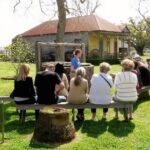


More ways into New Orleans


New Orleans Plantation Tours, compared.
 ★ 5.0Swamp Boat Ride and Oak Alley Plantation Tour from New OrleansFrom $1313,303 reviews
 ★ 4.5Oak Alley Plantation Tour with Transportation from New OrleansFrom $891,747 reviews
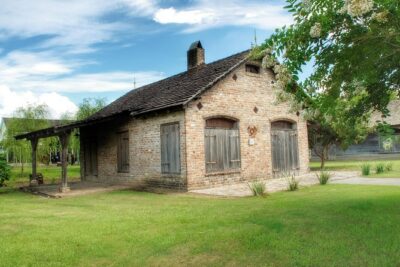 ★ 4.5Whitney Plantation Tour with Transportation from New OrleansFrom $891,351 reviews
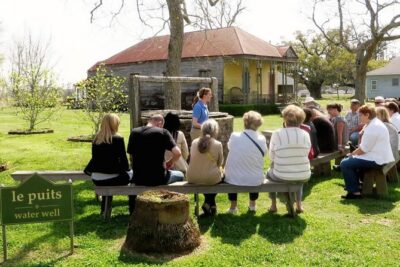 ★ 5.0Laura Creole Plantation Guided TourFrom $321,279 reviews
 ★ 4.5Airboat and Plantations Tour with Gourmet Lunch from New OrleansFrom $2791,246 reviews
 ★ 4.7Bayou Swamp Tour and Oak Alley Plantation TourFrom $1251,147 reviews
 ★ 4.7Oak Alley Plantation & Airboat Swamp Combo TourFrom $160906 reviews
 ★ 4.5Oak Alley Plantation and Large Airboat Swamp Tour from New OrleansFrom $160712 reviews
Browse the lists this tour appears in