
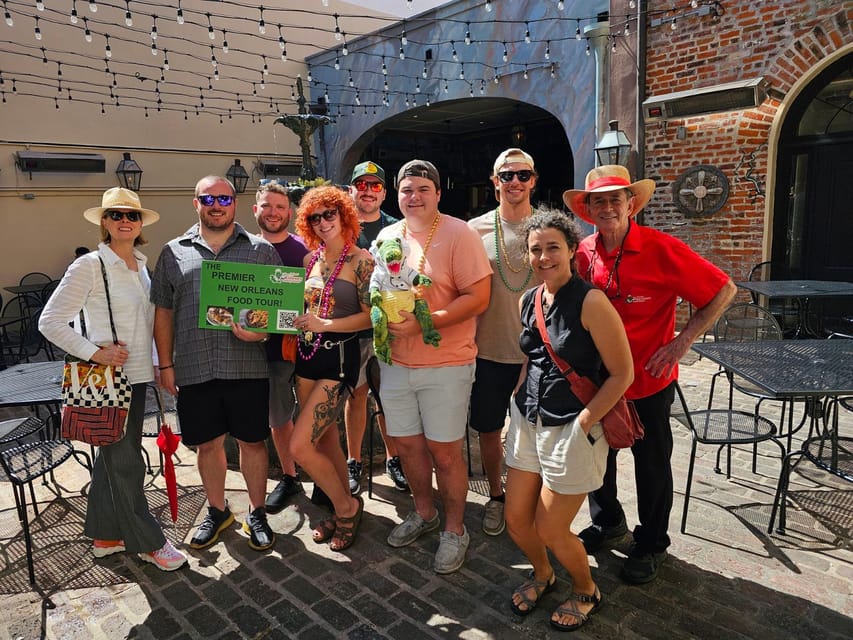
REVIEW · NEW ORLEANS FOOD TOURS
New Orleans: The Premier Food Tour — Your Must-Do Activity
New Orleans has a way of feeding you stories fast. This 3-hour French Quarter tour mixes Creole and Cajun classics with real local history, plus four restaurant stops and a sweet finish. I also like that you get ice water at every stop and can work around dietary needs in advance. One thing to consider, the food portions are generous, so plan to arrive hungry.
The tour starts at the Market Cafe by the golden statue of Joan of Arc, then you walk past iconic sights like Jackson Square and St. Louis Cathedral while your guide keeps the mood fun. You’ll hear about the ethnic influences that shaped the cuisine, with the story beginning as far back as 1718, and guides like Naif and Brian show up again and again in guest notes. Just know beverages are extra, but you can grab adult drinks at the restaurants along the way.
Key Highlights You Should Expect
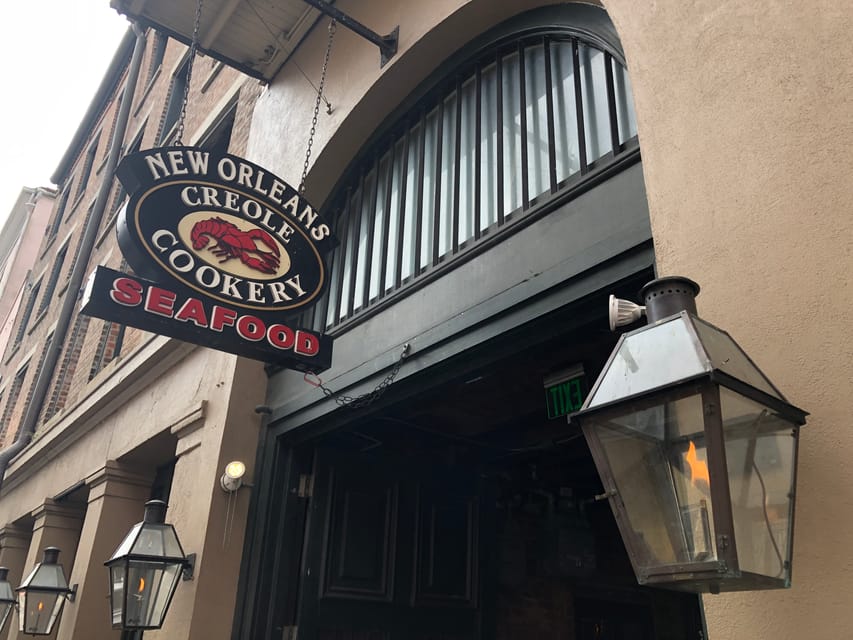
- Four restaurant tastings focused on Creole and Cajun favorites, with items that may vary by day
- French Quarter history and culture threaded through the food story, starting from 1718
- Ice water served at each stop, so you can stay comfortable while you walk
- Dessert finish: Creole pecan praline, the kind of sweet you remember later
- End point at Tujague’s (429 Decatur), right in the heart of the action
- Dietary concerns handled, just tell the team ahead of time
French Quarter in 3 Hours, Food Plus Real Context
If you’re short on time, a food tour is one of the smartest ways to get oriented. You’re not just chasing menus. You’re moving through the French Quarter with a local guide who connects what you eat to why it exists, from early settlement-era influences onward. The result is a kind of “food map” you can carry with you while you explore on your own later.
I like the way this tour keeps the pace friendly for most activity levels. It’s built around a walking route, but it’s not a punishment march. You get enough stops to let the flavors land, and you get pauses for photo moments and sightseeing. This is the sort of activity that works even if you’re traveling with kids or older relatives, because the schedule is designed to be steady rather than frantic.
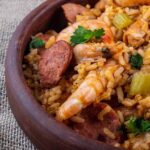
The other big plus is variety. You’ll see classic French Quarter staples like muffuletta, and you’ll also get into the thick, savory world of Cajun and Creole cooking, where spice is a story all by itself. And yes, there’s gumbo, jambalaya, and crawfish étouffée on the menu plan. Expect the day to feel like a tasting journey rather than a snack parade.
One practical note: this tour can fill you up. Several guides and groups are praised for leaving people full at the end, and I think you should plan for that. If you arrive planning to “just taste,” you’ll probably do fine. If you arrive actually hungry but skipping meals, you’ll still be glad you came hungry because you’ll get plenty.
More New Orleans food walks, from gumbo to beignets
Starting at Market Cafe, Right by Joan of Arc
Your meeting point is the Market Cafe at 1001 Decatur, placed right next to the golden statue of Joan of Arc. That matters more than it sounds. The French Quarter has lots of foot traffic and lots of similar-looking corners, so having a landmark that’s hard to miss makes the start smoother.
The tour also builds in early orientation. As you begin, you’re already in the area where the city’s story and its architecture show up on the street. Later you’ll see major sights such as Jackson Square and the St. Louis Cathedral, so the walk doubles as a quick history circuit. If you like learning as you go, that’s a big reason this tour earns strong ratings year after year.
The timing is also designed for a real afternoon or early evening window. It’s listed as 3 hours, and you’re asked to meet your guide ahead of the start time (the guidance says meet by 12:45 p.m. for a 1:00 p.m. start). If you’re the kind of person who runs on punctual vibes, this should fit your day easily.
What You Actually Eat: Gumbo, Jambalaya, Étouffée, Muffuletta, and More
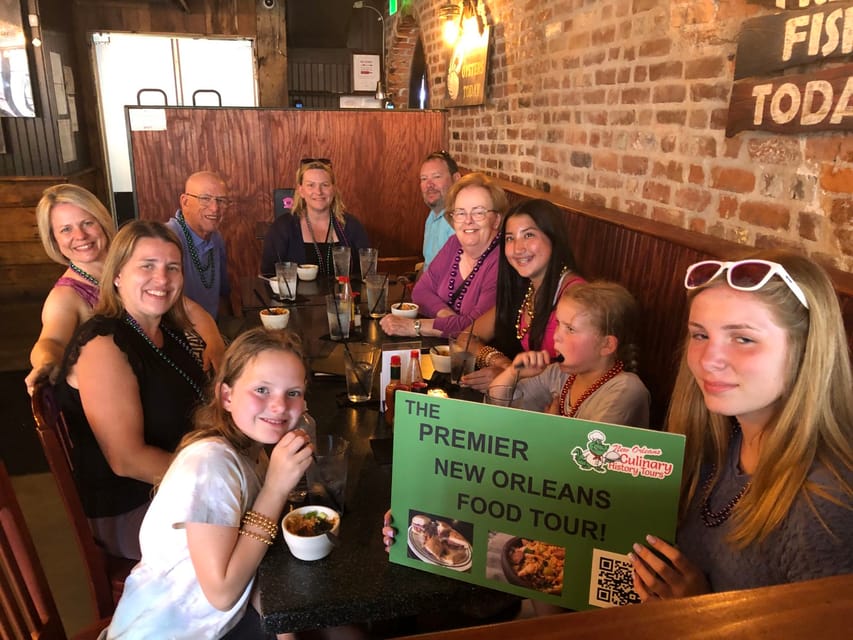
This is not one of those tours where you get a tiny bite and a shrug. The tour is structured around four top-rated restaurants, and you’ll be tasting multiple dishes across the route.
Here are the foods that show up in the planned lineup:
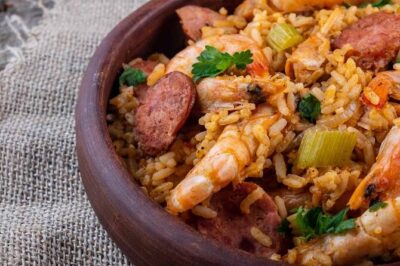
- Jambalaya, typically perfectly spiced (Creole or Cajun style, depending on the stop)
- Gumbo, including Cajun versions with items like duck and andouille sausage
- Crawfish étouffée, thick, buttery, and loaded with that signature shellfish flavor
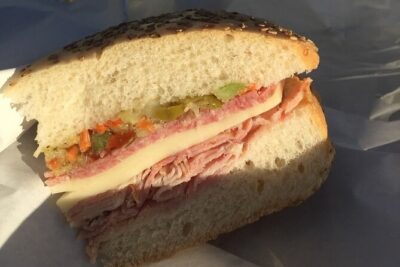
- Muffuletta sandwich, a classic French Quarter pick with rich olive-forward depth
- Roast beef sliders, mentioned as part of the tastings
- Creole pecan praline for dessert
Two good things to know. First, the exact items can vary, so don’t plan your dreams around one single dish. Second, even when items shift, the tour stays true to the same flavor map: Creole and Cajun comfort food, plus one memorable sweet ending.
If you’re trying to figure out what to order on your own later, this tour helps you do that fast. After tasting gumbo, jambalaya, and étouffée close together, you start noticing how each dish carries the same heritage but different textures and weights. Gumbo tends to feel like a warm bowl hug. Jambalaya is more like a one-pot party with rice holding everything together. Étouffée usually lands heavier and slower, built for savoring.
And the muffuletta? That’s your bridge to the French Quarter’s European influences and the local habit of turning simple ingredients into something famously specific. If you’ve never had it, you’ll leave with a baseline.
The Food Story Starts Back at 1718, and Your Guide Ties It Together
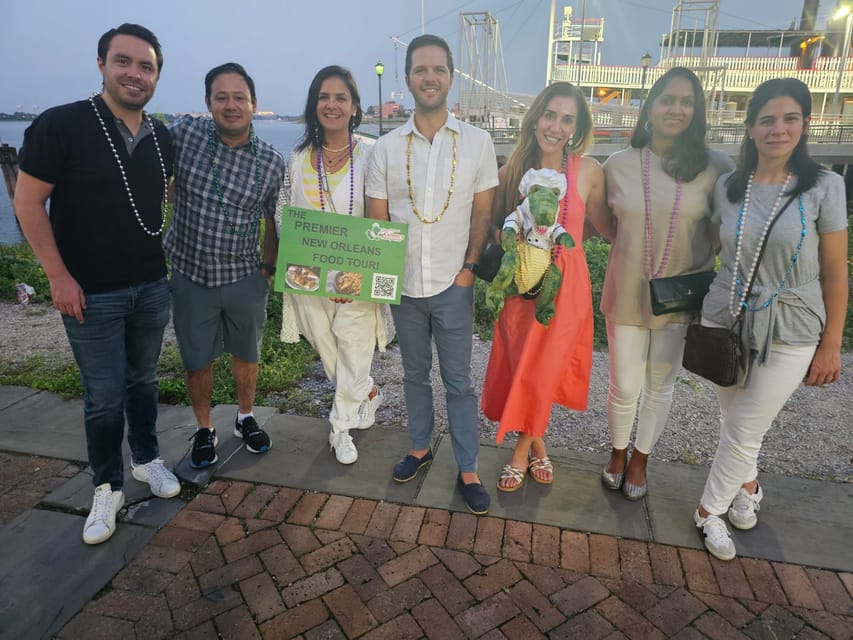
This tour treats New Orleans cuisine like a history lesson you can eat. As you walk, your guide explains the varied ethnic influences behind today’s Creole and Cajun food culture, with the story timeline beginning as far back as 1718.
That date matters because it frames the cuisine as something that developed over time, not something that just appeared fully formed. When your guide connects influences to cooking choices, it stops being random. Suddenly you’re not just tasting spice and butter, you’re understanding how ingredients traveled, adapted, and became local tradition.
Guides in the guest notes often get singled out for keeping the experience fun, not stiff. Naif and Brian come up repeatedly, with guests praising them for combining stories with humor and for answering questions. There’s also mention of guides taking people behind the scenes to explain how certain foods are made, which is exactly the kind of extra context that makes a food tour worth your time instead of just being a meal run.
If you’re the type who likes trivia, this is a good fit. But even if you’re not, you’ll still benefit. The history gives you a reason to pay attention, and paying attention makes you remember the food better.
One more helpful angle: you’ll also learn about the difference between Cajun and Creole styles. Even if you think you already know, tasting them back to back is a fast way to sharpen your understanding.
The Walking Style and How to Stay Comfortable
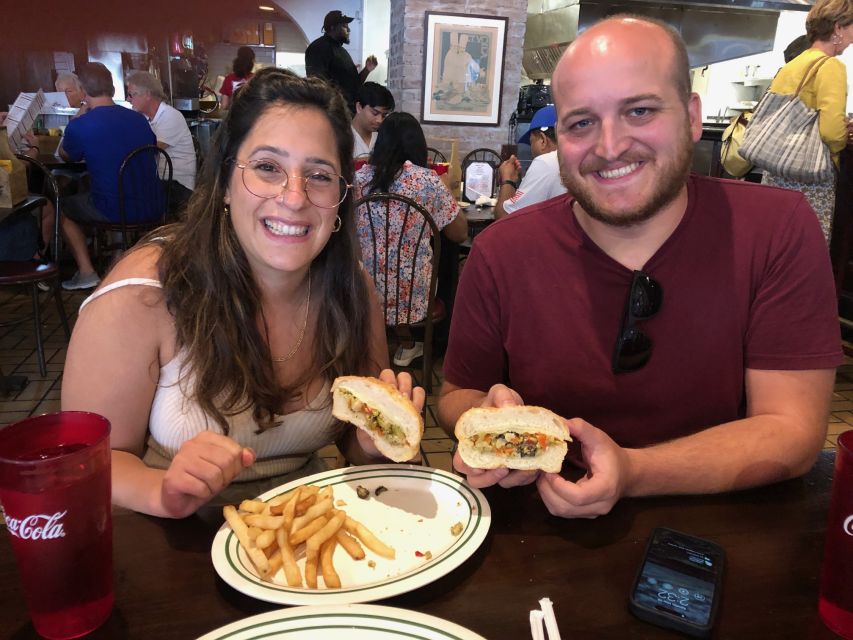
A food tour in the French Quarter can be a mixed bag if it feels too rushed or if the route is too long. Here, the design leans toward manageable walking. The schedule includes photo stops and sightseeing time, and the overall structure keeps you moving without turning it into a full-day hike.
Also, you won’t be stuck dry. Ice water is served at each stop, which is a small detail that becomes a big deal in New Orleans heat and humidity. It helps you keep pace, enjoy every tasting, and avoid that mid-tour slump where everything tastes like salt.
You’ll want to wear comfortable shoes. That’s basic advice, but it really matters here because your time is spent on foot between restaurants. The good news is the walking is described as reasonable, even for groups and ages.
Rain is another comfort issue. This tour is stated as not cancelled due to rain. That means you should bring a light layer or a small rain cover so you’re not miserable if clouds roll in. New Orleans weather can shift quickly, and you’ll still be doing the tour as planned.
You can also read our reviews of more food & drink experiences in New Orleans
Price and Value: Why $81 Can Make Sense for Four Tastings
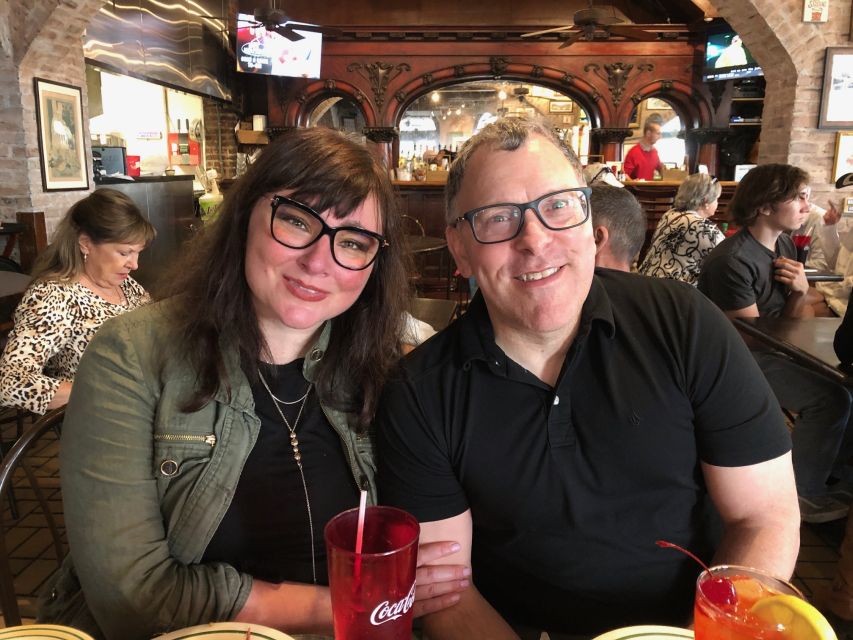
Let’s talk money honestly. At $81 per person for a 3-hour tour, the price is not a bargain snack. But it is priced like a curated experience with guided storytelling and multiple restaurant meals baked in.
Here’s where the value comes from:
- You get tastings at four different restaurants, not just one place repeatedly
- You receive a dessert finish, the Creole pecan praline
- Ice water is included at each stop
- Your guide adds context, history, and culture so you leave with more than just food
The main cost you should plan for is drinks. Beverages are not included, though adult beverages are available for purchase at each restaurant. If you want beer or a cocktail, budget extra, especially because the tour ends at a well-known dining spot.
The real question is whether you’d pay $81 for the convenience of tasting multiple iconic dishes in a compact route with an expert guide. For many visitors, the answer is yes, because it saves time and decision fatigue. Also, if you’re new to New Orleans cuisine, tasting widely in one afternoon is faster than guessing what to order at each restaurant.
Dietary Needs, Drinks, and What to Bring
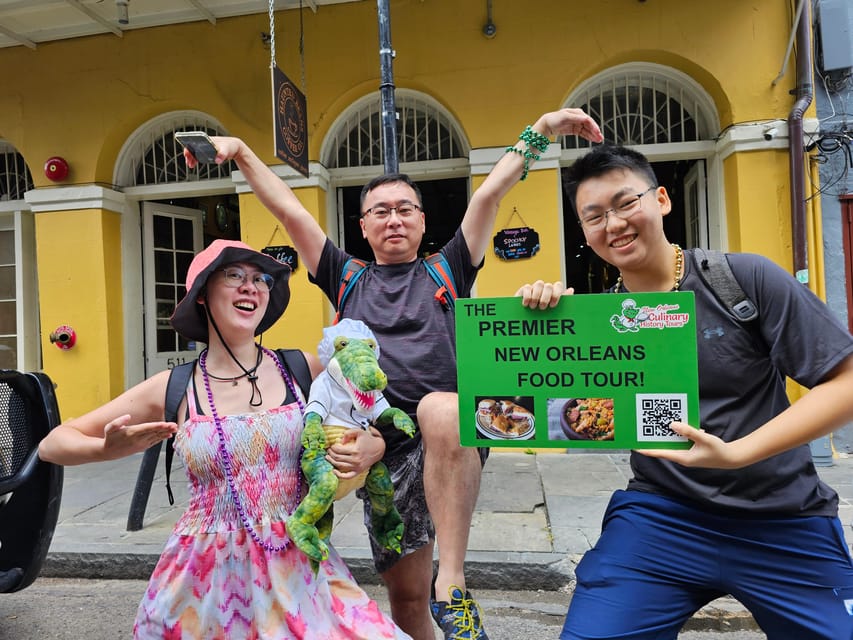
One of the most practical parts of this tour is the stated approach to dietary concerns. If you have restrictions, you’re meant to let the team know so they can happily accommodate you. That’s a big deal for anyone who has ever struggled with food tours that feel like they’re designed for one eating style.
As for drinks, remember the structure: ice water is included, but other beverages are extra. If you want something alcoholic, you can purchase it at the restaurants during the tour.
What should you bring?
- Comfortable shoes, because you’ll be walking
- A mindset that you’ll likely end the tour full
- If you’re sensitive to spice, it’s smart to mention your preferences to the guide at the start
There’s also a helpful note for families: if there’s a young child who will share food with an adult, there’s no need to purchase a ticket for that child. If you’re traveling with kids, that can make the overall cost easier to manage.
Where the Tour Ends: Finishing at Tujague’s
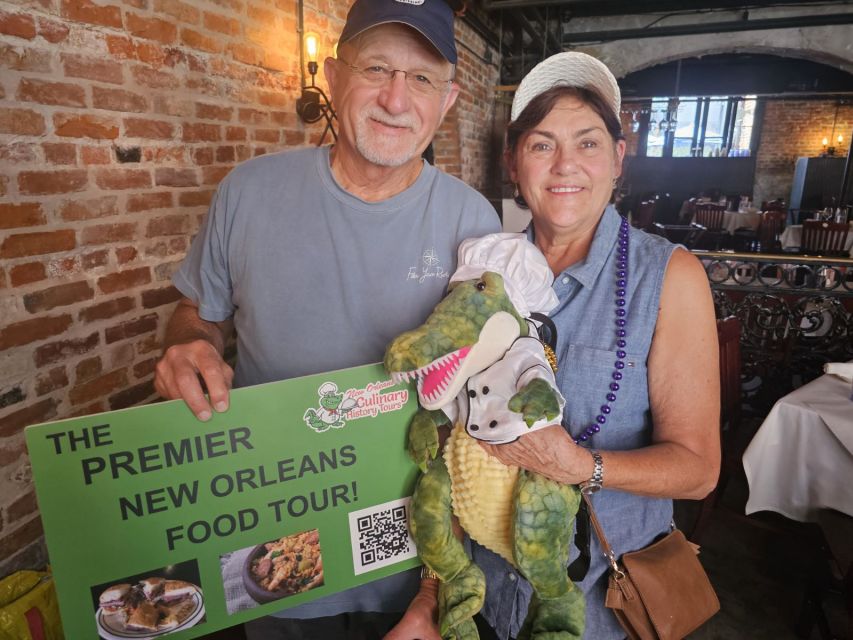
The tour concludes at Tujague’s restaurant, 429 Decatur. Ending at a known dining spot is useful because it gives you a natural next step. You’re already back in the center of the action, and if you still have energy, you can continue your evening around Decatur Street.
It also helps with momentum. You’re not stuck trying to figure out how to “get back” after your food run. The guide’s route ends where you can continue exploring the French Quarter with less hassle.
Who Should Book This Food Tour, and Who Might Not
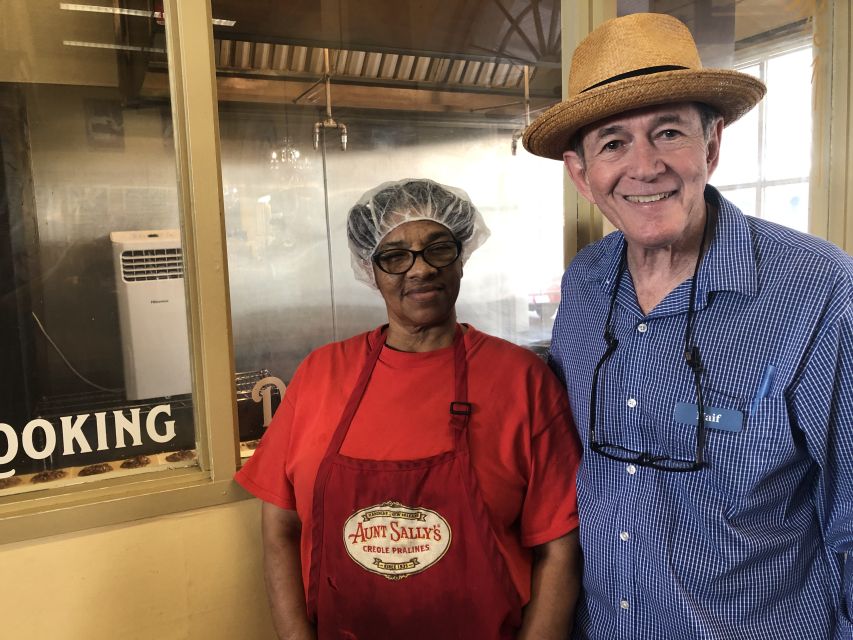
This tour is a strong match if you want:
- A French Quarter walking experience that includes major sights like Jackson Square
- A fast route to tasting major Creole and Cajun dishes
- A guide who keeps the vibe fun, with stories that explain why the food is the way it is
- An easy way to understand the difference between Cajun and Creole cooking
It’s also a great option for groups with mixed interests. Some people want the architecture and history. Others want the food. This tour tries to satisfy both, instead of choosing one side and ignoring the other.
You might consider a different option if:
- You hate walking at all, since it is still a walking tour
- You don’t want a meal-heavy experience (this is designed to fill you up)
- You don’t want to plan for extra spending on beverages
Should You Book the Premier New Orleans Food Tour?
If you’re planning a New Orleans visit and you want a high-impact activity in a short time window, I’d book it. The combination of four restaurant tastings, Creole pecan praline, major French Quarter sights, and a guide who ties the food to its origins makes this more than just a check-the-box meal.
At $81 for 3 hours, you’re paying for a structured route, multiple tastings, and local context. For first-timers, that structure is exactly what reduces stress and helps you eat smarter for the rest of your trip. If you can handle spice or you’re willing to speak up about your needs, this tour fits a lot of travel styles, and the pacing is designed for many ages.
FAQ
Where does the tour start?
The tour starts at Market Cafe, 1001 Decatur, right next to the golden statue of Joan of Arc.
How long is the New Orleans Premier Food Tour?
It lasts 3 hours.
How much does the tour cost?
The price is $81 per person.
What food is included on the tour?
You’ll enjoy tastings at four restaurants, including dishes such as jambalaya, gumbo, crawfish étouffée, and a muffuletta sandwich. A Creole pecan praline is included for dessert. Items may vary.
Are drinks included?
Beverages are not included, but adult beverages are available for purchase at each restaurant. Ice water is served at each stop.
Can the tour accommodate dietary concerns?
Yes. If you have dietary concerns, let them know in advance and they will happily accommodate you.
What if it rains?
The tour will not be cancelled due to rain.
Where does the tour end?
The tour ends at Tujague’s, 429 Decatur.
More Tours in New Orleans



More Tour Reviews in New Orleans

More New Orleans Food Tours
More ways into New Orleans


New Orleans Food Tours, compared.
 ★ 5.0New Orleans Food Walking Tour of the French Quarter with Small-Group OptionFrom $756,118 reviews
 ★ 5.0New Orleans French Quarter Food Tour: Cajun, Creole and CultureFrom $811,246 reviews
 ★ 5.0French Quarter walking Food Tour Famous Flavors of New OrleansFrom $751,115 reviews
 ★ 4.5French Quarter walking Food Tour: Signature Tastes of New OrleansFrom $85592 reviews
 ★ 5.0French Quarter Small-Group Cocktail and Foodie CrawlFrom $115519 reviews
 ★ 4.5The Premier New Orleans Food TourFrom $81398 reviews
 ★ 4.8Beloved Bites & Famous Dishes Food TourFrom $76239 reviews
 ★ 4.5French Quarter Food Walking TourFrom $41202 reviews
Browse the lists this tour appears in