

REVIEW · NEW ORLEANS SWAMP & BAYOU TOURS
New Orleans: Single Plantation and Pontoon Swamp Day Trip
One bus, one plantation, one bayou lesson. This trip pairs a guided plantation visit with a narrated pontoon swamp tour, plus hotel pickup that keeps the day moving. I like the straightforward rhythm, one stop after another, with museum exhibits and preserved buildings at the plantation, then a swamp ride where you learn about American alligators and Louisiana wetlands. The one drawback to plan around: food and drinks are not included, and eating on the bus is not allowed (water is fine).
You also get to choose the angle of the day. Laura leans into gardens and plantation life, Oak Alley focuses on enslaved people’s experiences through the Civil War era, and Whitney centers memorials and first-person slave narratives. Just note that Whitney Plantation is closed on Tuesdays, and Whitney’s portion is a self-guided audio tour, not the same live narrated style as Laura or Oak Alley.
Key highlights you will feel fast

- One plantation, done properly, with about 90 minutes at your chosen site
- Museum exhibits and preserved structures that help you place what you see in context
- Three different storytelling styles (Laura, Oak Alley, Whitney) so you can pick what fits you
- Cajun Captains pontoon swamp tour, with wetlands education and alligator spotting
- Small-group timing on a 14-passenger bus, so you are not stuck for hours waiting
How the 8-hour single-plantation day trip works

This is a classic New Orleans day plan with a simple promise: pick one plantation, see it with a guided narrative, then finish with a swamp tour. You start with hotel pickup in the downtown area between 8:00 and 8:30 AM, and you will ride out in a 14-passenger bus. Expect the total day to run about 8 hours, with exact starting times depending on availability.
The pacing matters here. A single plantation in one day keeps the experience from feeling rushed while also preventing the usual problem of bouncing between too many stops. In other words, you get time to read exhibits, walk the grounds, and still have a full second act in the wetlands.
Also, tickets are included, and you skip the ticket line. That is a small detail that matters when you are trying to keep the morning tight.
More bayou routes from New Orleans



Choosing your plantation: Laura, Oak Alley, or Whitney
You are not picking just a building. Each plantation frames the story differently, so you will likely choose based on what you want to learn that day.
Here is the practical way to think about it:
- If you want plantation grounds plus daily-life interpretation, consider Laura Plantation.
- If you want a stronger focus on slavery across a long timeline and the human consequences of sugar, consider Oak Alley Plantation.
- If you want the most direct memorial approach and first-person slave narratives, consider Whitney Plantation.
Language is also part of the decision. Laura and Oak Alley are offered in English via the guided narrative tour. Whitney is different: it uses a self-guided audio tour and is offered in Mult-English. So if you prefer a fully guided experience, Laura or Oak Alley will feel more like a traditional tour.
Laura Plantation: Big House, French and kitchen gardens, and 1840s slave cabins

At Laura Plantation, the day starts to feel grounded in place. You tour the Big House and multiple gardens, including the French Garden and Kitchen Garden. There is also the Banana Grove, which helps you picture the working side of the property rather than only the showpiece view.
The part I find most important is the original 1840s slave cabins. Seeing preserved cabins alongside the rest of the grounds changes how you interpret everything you read next. It is harder to treat the plantation as scenery.
Laura also includes a museum exhibit about the inhabitants’ daily lives on the sugar plantation. That kind of focus helps you understand the plantation as a system of routine, labor, and survival, not just a single era you can summarize with one caption. You also get time at the historic gift shop, which offers local arts, crafts, and souvenirs if you want a reminder that is tied to the region.
One practical note: even though this is a guided narrative tour, you will still want comfortable shoes. The walking is not huge, but you will be on your feet for gardens, buildings, and exhibits.
Oak Alley Plantation: enslaved stories from about 1835 through emancipation, plus a 1890s forge
Oak Alley gives you a more pointed historical arc. You tour the gracious interiors of the Big House, but the heart of the experience is the Oak Alley exhibit that shares stories of people enslaved on this sugar plantation from approximately 1835 to the end of the Civil War.
This matters because it covers a broad period, so you can see how slavery and its effects endured and changed over time. The exhibit is described as addressing health care, punishment, and life after Emancipation, along with sugar’s impact on the people of Oak Valley. That combination keeps the narrative from staying stuck in the past as an abstract topic.
Oak Alley also adds a rare physical detail that you might not expect on a plantation visit: you will see one of the few remaining 1890s-era forges of its type in Louisiana. Even if you do not know what a forge does at first, seeing it on-site helps you connect the plantation economy to tools, labor, and industrial work.
If you like exhibitions that explain cause and effect, Oak Alley is a strong choice. Just be ready for heavier subject matter. This is not a light day, even when the grounds are beautiful.
Whitney Plantation: Creole barn, detached kitchen, and first-person slave narratives
Whitney Plantation is a different kind of experience. It is built around remembrance and voice, and the museum materials are designed to center the people who lived and worked there.
You visit restored buildings and museum exhibits, along with memorial artwork and thousands of first-person slave narratives. That is a big deal for how the day will land in your mind. Instead of only interpreting from above, you encounter stories framed as individual experiences.
The grounds are also specific and physical. Whitney includes the last surviving example of a true French Creole Barn. You also see what is believed to be the oldest detached kitchen in Louisiana, plus an excellently-preserved Creole cottage.
If you want the most direct focus on the human cost of slavery and want the memorial approach, Whitney is often the choice that feels most focused. Just watch the schedule: Whitney Plantation is closed on Tuesdays, so you need to match it to your visit.
Also, remember the audio style. Whitney is described as a self-guided audio tour in Mult-English, so you will not be getting the same live guided narrative format as the Laura or Oak Alley options.
More plantation visits from New Orleans, with the history kept in view


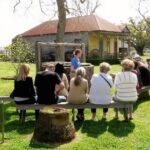
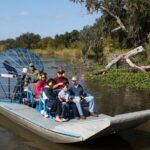

The pontoon swamp tour with Cajun Captains

After the plantation, you switch from buildings and exhibits to moving water and wildlife. The swamp tour is run by Cajun Captains, and they navigate through the back swamp while you learn about Louisiana Wetlands.
The educational focus includes what lives in the swamp, and the tour is also described as teaching you about American alligators. In practice, that kind of topic list is usually the difference between a ride that feels like a scenic cruise and one that gives you real context for what you are seeing.
You also hear about the history of the Louisiana Bayou and swamp exploration days. That helps connect wetlands ecology to human exploration and use. You might find you are looking at the waterline differently after that, noticing how the environment shapes what people could do and where.
This is also where the day feels like it balances out. The plantation stops can be emotionally heavy. The swamp tour gives you a new set of facts and sights, and it tends to feel more light on your feet because the ride itself is your activity.
Timing, comfort, and small rules that affect your day
This tour is built for one clean morning flow. Pickup is between 8:00 and 8:30 AM from in front of your listed downtown hotel. The plantation tour is about 90 minutes, and then you transition to the swamp.
Because it is about 8 hours total, plan your comfort like you would for a long, guided day in summer or shoulder season. You will want:
- Comfortable shoes
- Weather-appropriate clothing
One rule to take seriously: eating and drinking is not permitted on the bus, except water. Food and drinks are not included with the tour price either. So do not count on in-transit snacks. If you need a snack to keep you steady, you will want to time it around the plantation site or other breaks that come with your schedule.
Also, the tour guide is listed as English. Laura and Oak Alley are offered in English, while Whitney uses self-guided audio. So if you are traveling with someone who needs guided interpretation, Laura or Oak Alley will likely feel easier.
Price and value: is $140 worth it?
At $140 per person for an 8-hour experience, the value comes from the combo. You are paying for two admissions and guided time across very different settings, plus hotel pickup and drop-off.
A few details make the math feel more reasonable:
- You are not just buying entry to one attraction. You get admission to the plantation and the swamp tour.
- Pickup and drop-off from downtown hotels saves you time and hassle.
- The group size is small, with a 14-passenger bus, which usually means you get a more orderly day than larger motorcoach tours.
- You skip the ticket line, which prevents small delays from stacking up.
Now the tradeoff: food is not included. That is not a dealbreaker, but it is something to factor into your full day budget. If you eat out before or after, fine. If you expected the tour price to cover meals, adjust your plan.
Overall, the best value angle is pacing. The day is structured as one plantation stop plus one swamp ride, so you get a complete experience without feeling like you are being rushed from one checkbox to the next. The rating around 4.6 reflects that this “right-sized” timing lands well for many visitors.
Who should book this tour, and who may prefer something else

I think this tour is a great fit if you want:
- A single plantation that you actually have time to understand
- A swamp tour that is educational, not just a photo stop
- A day that feels organized, with pickup from your hotel and one clear itinerary arc
It is also a good choice if you are short on time. New Orleans can be intense with walking and late nights, so having an early, planned day can feel like a relief.
You might choose differently if:
- You strongly prefer a fully guided, live-narrated museum experience all day, since Whitney uses self-guided audio.
- You are visiting on a Tuesday and were hoping for Whitney specifically, since it is closed on Tuesdays.
If you are sensitive to the subject matter of slavery, that matters too. The tour options differ, but all three plantations present stories connected to enslaved people and the plantation system. Pick the version whose storytelling style matches what you are ready to process.
Should you book this New Orleans plantation plus swamp day trip?
Yes, with one smart planning step: choose your plantation based on the kind of learning you want. If you want guided narrative at the site, Laura or Oak Alley fits better. If you want the memorial, first-person narrative approach, Whitney is the clearest match, just avoid Tuesdays.
Also plan your day budget and your food timing. With no meals included and no eating allowed on the bus (water only), you will enjoy the day more if you come prepared with something you can eat at appropriate times. Bring comfortable shoes and weather-ready clothing, because you will walk and spend time indoors and outdoors.
If you want an 8-hour plan that mixes plantation storytelling with real wetlands learning, this combo is a strong bet.
FAQ
Which plantations are available on this day trip?
You can choose one plantation from Laura Plantation, Oak Alley Plantation, or Whitney Plantation. Your tour includes a guided narrative visit to the plantation of your choice.
How long is the tour, and how long do I spend at the plantation?
The tour lasts about 8 hours total, and the plantation portion is described as a 90-minute guided tour.
Is food and drinks included?
No. Food and drinks are not included, and eating and drinking is not permitted on the bus except for water.
What time is hotel pickup in New Orleans?
Pickup is available between 8:00 and 8:30 AM from downtown hotels.
Is Whitney Plantation open every day?
No. Whitney Plantation is closed on Tuesdays.
What languages are offered on the tour?
The tour guide is in English. Laura and Oak Alley are offered in English, while Whitney Plantation is a self-guided audio tour offered in Mult-English.
Can I cancel and get a full refund?
Yes. Free cancellation is available up to 24 hours in advance for a full refund.
More Tour Reviews in New Orleans





More Plantation Tours from New Orleans
More New Orleans Swamp & Bayou Tours


More ways into New Orleans


New Orleans Swamp & Bayou Tours, compared.
 ★ 5.0New Orleans Swamp and Bayou Boat Tour with TransportationFrom $705,399 reviews
 ★ 5.0Swamp Boat Ride and Oak Alley Plantation Tour from New OrleansFrom $1313,303 reviews
 ★ 5.0New Orleans Self-Transport Swamp and Bayou Boat TourFrom $372,824 reviews
 ★ 5.0New Orleans Swamp Tour Boat AdventureFrom $351,855 reviews
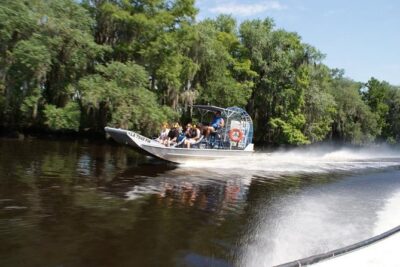 ★ 5.0Large Airboat Swamp Tour with Transportation from New OrleansFrom $901,832 reviews
 ★ 5.0Small-Group Airboat Swamp Tour with Downtown New Orleans PickupFrom $1151,621 reviews
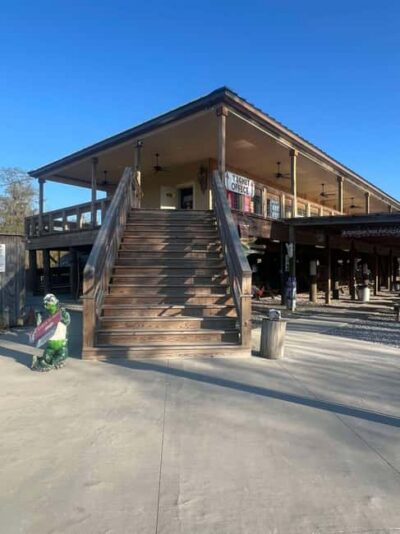 ★ 4.7New Orleans Manchac Bayou Swamp Cruise W/ Optional Pick-UpFrom $351,587 reviews
 ★ 4.5Guided Boat Tour of New Orleans BayouFrom $351,452 reviews
Browse the lists this tour appears in