

REVIEW · NEW ORLEANS CEMETERY TOURS
New Orleans: City & Cemetery Tour by Air-Conditioned Minibus
Air-conditioned history, with Katrina lessons included. This 3-hour New Orleans city and cemetery tour mixes French Quarter icons with a real look at the aftermath of Hurricane Katrina and today’s rebuilding, plus a cemetery stop that explains why the city handles burial differently. You also get a comfortable drive through neighborhoods that you might miss on foot, with landmarks like Jackson Square and St. Louis Cathedral on the route.
I especially like the way the tour organizes your first look at town, starting with big sights and then widening out. I love the convenient hotel pickup and drop-off, and the fact that you end with a strong sense of where to go next on your own.
One thing to plan for: the cemetery visit involves some walking, and you may want comfortable shoes, especially in hot weather. Traffic can also be slow in New Orleans, so it helps to stay flexible if pickup timing shifts slightly.
Key things I’d zero in on before you book
- Katrina to today, with the Lower 9th Ward levee break story and what rebuilding looks like now
- French Quarter highlights fast, including Jackson Square and St. Louis Cathedral
- City Park scenery by way of Esplanade Avenue, passing historic homes en route to Dueling Oaks
- Cities of the Dead cemetery rules, including the idea of reusable tombs above the ground
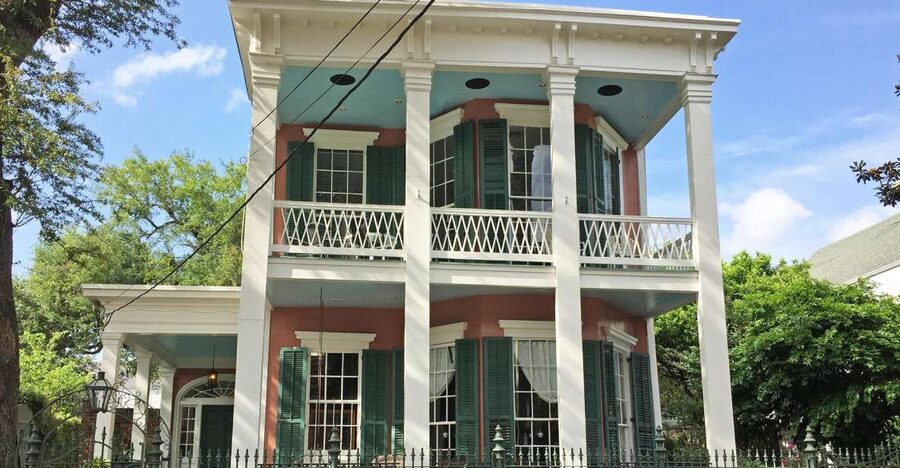
- St. Charles Avenue and the Garden District, with homes of the American side of the city
- Guide-driven fun, with praise for entertaining, funny narration and even music tied to the stops
A smart first pass at New Orleans for $55, in AC comfort
At $55 per person for a 3-hour experience, this tour is basically built to solve two problems: heat and time. New Orleans can wear you out fast, especially if you’re doing your first day and trying to see the “obvious” places while also getting context for the city. The air-conditioned minibus takes the pressure off. You get a guided route that covers multiple districts without feeling like you’re sprinting between stops.
The other value is focus. In three hours you’re not trying to master every corner of the city. Instead, you get an ordered overview: major landmarks in the French Quarter, a scenic pass through historic residential streets, and then the heavy-but-important Katrina section. That combination helps you make better choices after the tour, whether you want to return to the French Quarter for music, or take a slower look at neighborhoods you’ve just glimpsed from the bus.
Also, the price feels fair because it includes hotel pickup and drop-off. That matters in New Orleans, where walking long distances with luggage, rain, or heat can turn a “quick hop” into a long ordeal.
More New Orleans cemetery tours beyond the gates



French Quarter hits: Jackson Square and St. Louis Cathedral
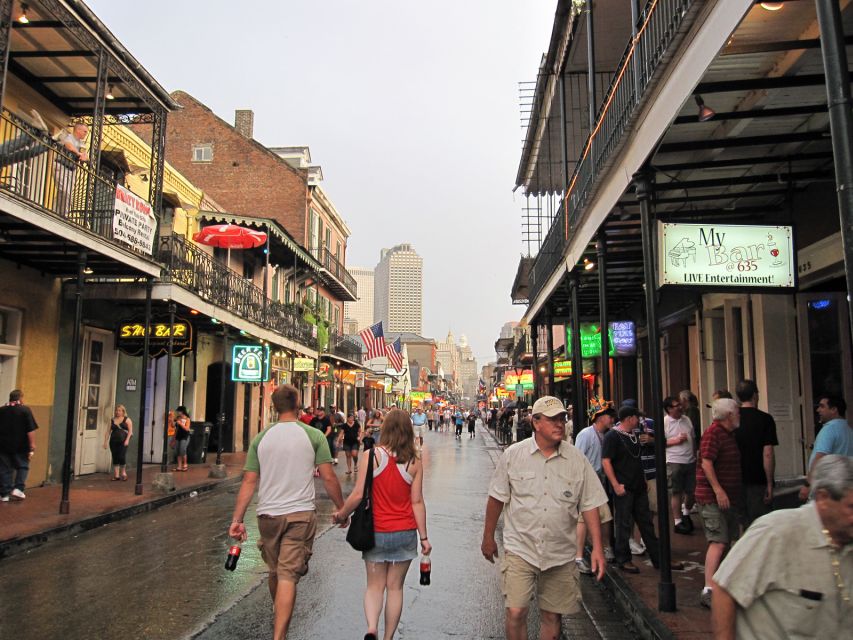
The French Quarter segment is where this tour helps you find your bearings quickly. You’ll be guided through the area you’ll likely want to explore later, and you’ll hit recognizable landmarks that anchor the whole district.
The big two are Jackson Square and St. Louis Cathedral. Jackson Square is an easy mental starting point for your self-guided exploring because it sits right at the heart of the Quarter’s layout. St. Louis Cathedral adds a strong “this is New Orleans” visual reference, especially for architecture and scale. Once you see them from the tour route, you can return with a clearer sense of what’s nearby and how the streets connect.
The tour also frames the Quarter beyond just photos. You learn why this area became the cultural magnet it is today, including the lively music scene you’ll notice the moment you step outside. You’re not stuck there for hours, but you come away with enough context to understand what you’re seeing when you roam later.
A practical note: the French Quarter is active, and some streets can get crowded. Since this tour is bus-based, you avoid that “stop, shuffle, stop, shuffle” frustration, and you keep moving.
The Cabildo: Spanish colonial roots you can actually see
If you care about how New Orleans became New Orleans, the stop at The Cabildo is a smart addition. You’re not just hearing that the city has Spanish colonial history. You’re shown a specific building tied to that chapter, which makes the story feel grounded rather than abstract.
Even if you only catch it as a quick stop on the way, the point is to connect the dots. New Orleans is a layered city, with different empires, cultures, and eras stacked on top of each other. The Cabildo helps you place one of those layers in a real location you can later revisit.
It also gives you a good reason to walk around afterward with more curiosity. Instead of wandering randomly, you’ll have a few “anchor points” you can build your route around.
City Park by way of Esplanade Avenue and Dueling Oaks
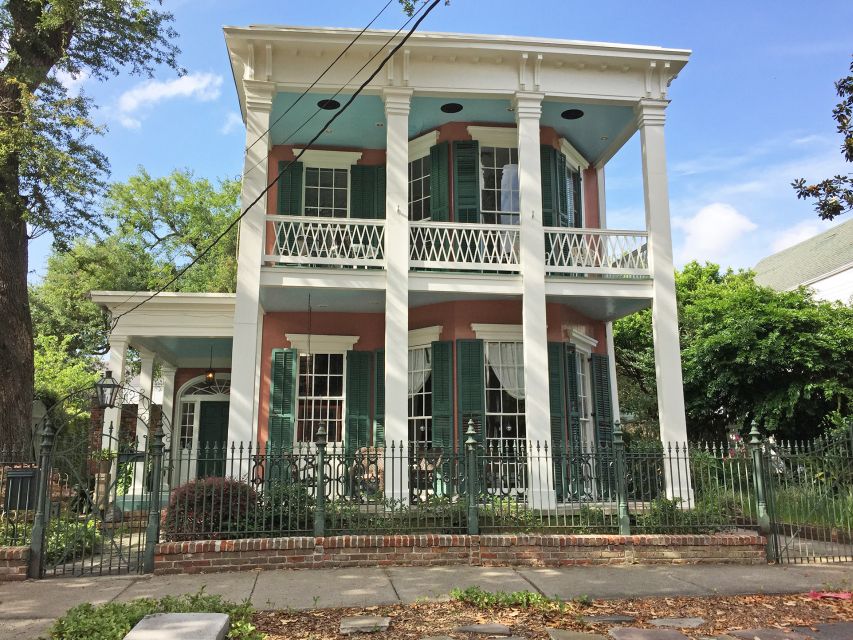
The route through Esplanade Avenue is one of those “look, slow down and notice” moments. You’ll pass historic homes dating roughly a century back, and it’s a reminder that New Orleans history is not only in museums or monuments. It’s built into residential streets.
Then comes City Park and the Dueling Oaks area. This is less about big, formal landmark photos and more about atmosphere and scale. After the dense streets of the Quarter and the weight of the Katrina story later, this kind of open-air setting gives your brain a place to breathe.
Also, City Park is where you get a feel for the city’s contrasts. You’re moving from architectural density into a calmer environment, which helps make the overall tour feel balanced. If you’re the type who likes to see how people live in different parts of town, this segment is a solid checkpoint.
Cemetery stop in the Cities of the Dead: above-ground tombs explained

The cemetery portion is where the tour earns its name. This isn’t just a photo stop. You’ll walk a bit and learn why the dead are buried in reusable tombs above the ground.
That detail changes how you interpret everything you see in New Orleans cemeteries. The structures aren’t just oddities or odd architecture. They’re part of a system shaped by local needs, and the tour’s narration helps you understand that logic instead of treating it like a spooky side quest.
Here’s how to make this part more comfortable:
- Wear comfortable shoes, since the visit involves some walking
- Plan for heat, because New Orleans weather doesn’t care about your schedule
- Take your time reading details, even if you only pause for a minute at each stop
One more thing: cemeteries can feel emotional, and that’s okay. The tour sets a serious tone, but it also explains the customs clearly, which makes it easier to process rather than just stare.
In at least some departures, you may visit St. Louis Cemetery #3, which adds a well-known stop to this practical education.
You can also read our reviews of more city tours in New Orleans





St. Charles Avenue and the Garden District, plus Anne Rice’s neighborhood
After the cemetery, you head into a different mood: St. Charles Avenue and the Garden District area. This is the “American side” perspective you’d miss if you only stayed downtown.
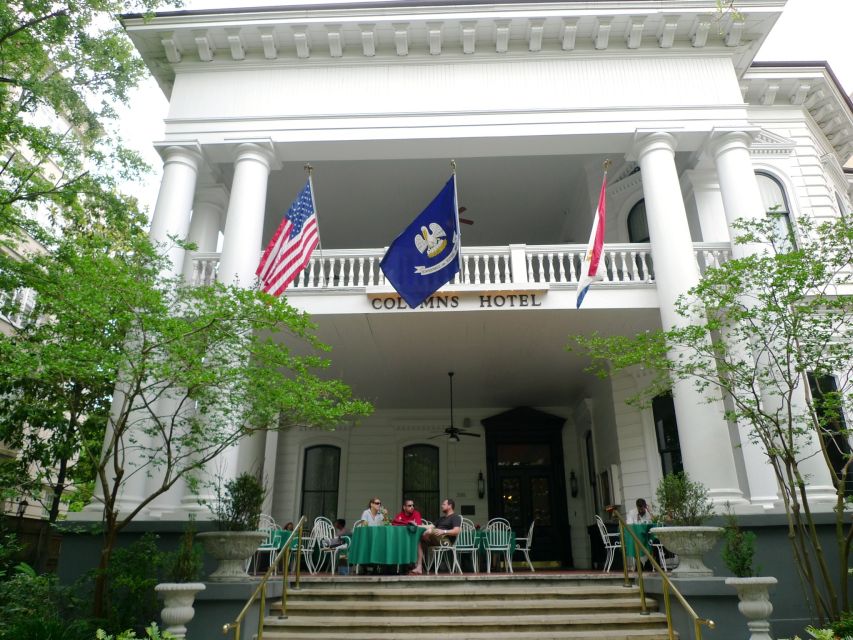
From the bus, you’ll see homes that reflect the neighborhood’s reputation for elegant residential architecture. And you get a specific cultural reference point by passing the residence of Anne Rice, the Gothic fiction writer. Even if you’re not a die-hard fan, that’s a useful way to understand how literature, celebrity, and neighborhood identity can overlap here.
This part of the tour also works well as a palate cleanser. The Katrina section is hard, and the cemetery section is reflective. St. Charles Avenue gives you a different kind of storytelling, one that focuses on streets, homes, and the city’s social geography.
If you want an easy next step after the tour, this is where it pays off. You’ll know which streets are worth a slower walk later, and you’ll be less likely to feel lost in the residential grid.
Lower 9th Ward and the Katrina levee break story

This is the heart of the experience. The tour goes to the area where Hurricane Katrina broke the levee and where homes were swept away in the Lower 9th ward. You’ll learn what happened and, crucially, you’ll also hear how residents are rebuilding their lives.
Why that matters: it’s easy to consume Katrina as a historic headline. The tour brings it back to real geography and real neighborhoods. Seeing the places connected to the disaster helps you understand why rebuilding can look uneven and why it has taken years.
It also connects the city’s relationship to water. New Orleans sits below sea level in many areas, and storm protection is not a minor detail. It’s part of how the city works, and the tour’s Katrina segment gives you that context without requiring you to be an expert.
The result is a more honest New Orleans view. You leave with respect, and you also leave with clarity about why certain places feel different today.
Pickup and drop-off that actually saves your day
Logistics can make or break a tour, especially in a city where traffic can slow everything down. This experience includes hotel pickup and drop-off, and that convenience shows up in the way the tour fits into your schedule.
There’s a 30-minute pickup window from the time pickup starts. You’ll want to be out front and watch for a bus that says Alert Transportation. In practice, this matters because you don’t want to lose time waiting or end up wandering around the wrong block.
One more practical point: New Orleans can be unpredictable. If there’s a timing hiccup or a need for an alternate pickup spot, the operation communicates. That’s worth noticing if you hate last-minute stress.
Guide style: funny stories, music cues, and patient explanations
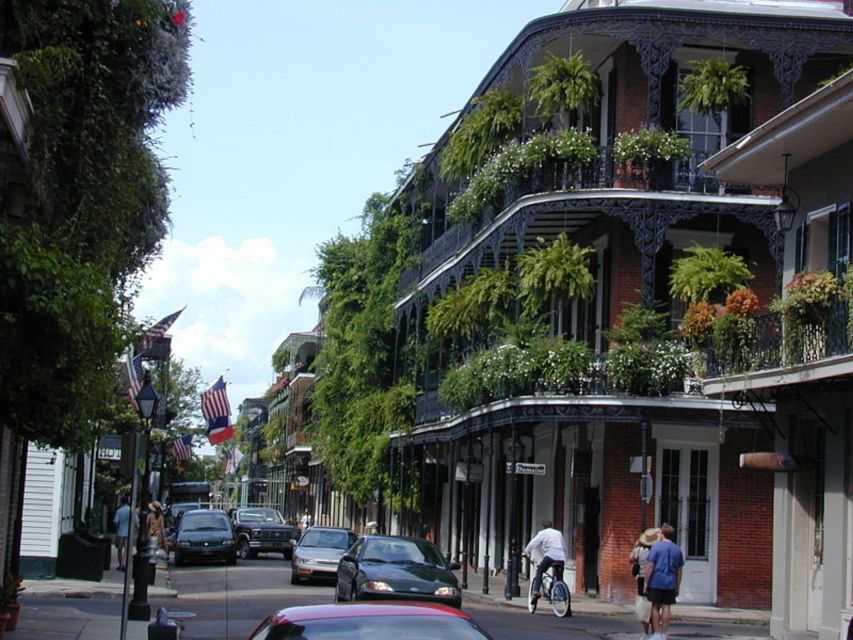
The most repeated praise in the experience is the guide’s delivery. People talk about drivers who also guide, keeping the mood lively while still explaining the city’s history in a way that sticks.
Names that come up include Darren, Darin, David, Charles, and others. What matters is the pattern: quick wit, engaging storytelling, and answers to questions. A good guide here does more than recite facts. They help you connect what you’re seeing with why it matters.
There’s also praise for music used in the narration, including playlists that are coordinated to the sites and artists mentioned during the ride. That kind of detail is not just fun. It helps you remember the tour’s themes later when you walk around on your own.
If you’re traveling with kids, someone using a walker, or anyone who needs a calmer pace, the guide’s patience comes through in the way the tour is run.
Who should book this tour, and who should skip it
This tour is a strong fit if you want:
- An air-conditioned way to cover multiple neighborhoods in a short time
- A guided overview that balances landmarks, local culture, and the Katrina impact story
- A cemetery visit that includes explanation, not just sightseeing
- Hotel pickup and drop-off to cut down on navigation stress
It may be less ideal if you:
- Hate any walking at all, since the cemetery involves some walking
- Prefer long time on one site, like a slow museum day instead of a moving route
- Want only light, party-focused sightseeing, because the Katrina and cemetery segments carry real weight
Should you book this New Orleans city and cemetery minibus tour?
Yes, if you’re doing New Orleans for the first time or you want a fast way to understand what you’re seeing. The combo of French Quarter anchors, a Cities of the Dead cemetery explanation, and the Lower 9th Ward Katrina story makes it more than a quick highlights loop.
Book it especially if you appreciate comfort and structure. The AC ride, the hotel pickup and drop-off, and the guide who mixes humor with clear explanations are the big reasons this works.
If you’re sensitive to cemeteries or you’re traveling with mobility limitations, plan for the walking and bring the right shoes. If you do that, you’ll get a tour that gives you context and practical direction for the rest of your trip.
FAQ
How long is the New Orleans City and Cemetery Tour?
The tour lasts 3 hours.
Does the price include hotel pickup and drop-off?
Yes. Hotel pick-up and drop off are included.
What’s the pickup window and how will I find the bus?
There is a 30 minute pickup window from when pickup starts. You should be out front, and look for a bus that says Alert Transportation.
Is the tour guide available in English?
Yes. The live tour guide is English.
Will I need to walk during the cemetery visit?
Yes. The cemetery visit involves some walking.
What is the cost per person?
The price is $55 per person.
Is there free cancellation?
Yes. You can cancel up to 24 hours in advance for a full refund.
Can I reserve without paying right away?
Yes. The experience offers reserve now & pay later, so you can book and pay later.
More Tours in New Orleans




More Tour Reviews in New Orleans


More New Orleans Cemetery Tours


More ways into New Orleans


New Orleans Cemetery Tours, compared.
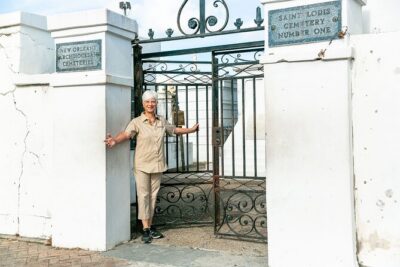 ★ 4.5St. Louis Cemetery No. 1 Official Walking TourFrom $253,941 reviews
 ★ 4.5Cemetery and Ghost BYOB Bus Tour in New OrleansFrom $302,685 reviews
 ★ 4.5New Orleans City Tour: French Quarter, Garden District & CemeteryFrom $402,209 reviews
 ★ 4.5New Orleans Dead of Night Ghosts and Cemetery Bus TourFrom $552,068 reviews
 ★ 4.5New Orleans City and Cemetery 2-Hour Bus TourFrom $541,967 reviews
 ★ 4.5New Orleans Cemetery Bus Tour with Exclusive Cemetery AccessFrom $401,694 reviews
 ★ 4.6Cemetery Bus Tour At Dark with Exclusive AccessFrom $361,654 reviews
 ★ 4.6Walking Tour Inside St. Louis Cemetery No. 1From $251,519 reviews
Browse the lists this tour appears in