

REVIEW · HISTORICAL TOURS
New Orleans: 9th Ward Hurricane Katrina History Tour
Katrina still shapes New Orleans. This small-group van tour through the Ninth Ward tells the story on the ground, guided by Hollis, a local born and raised in these neighborhoods. You get more than facts, you get conversation, questions, and a sense of what daily life looked like before the storm and what it looks like now.
I love how the route is built around real places, including the Katrina Memorial at Old St. Claude Hospital and the levee breach areas tied to the Mississippi River and Lake Pontchartrain. One thing to consider, this tour is only about 1 hour, and the route can change due to weather, construction, or local events, with some stops potentially swapped out.
Key Highlights You Should Know Before You Go

- Hollis as your guide: local, community-tied, and able to connect the official story to lived experience
- Small group (up to 7 people): easier to ask questions and spend a little time at key points
- Levee breach viewing areas: look for the physical clues where failures happened, and how far water reached
- Old St. Claude Hospital Katrina Memorial stop: a respectful, meaningful pause in the 9th Ward
- Rebuilding projects on the route: Make It Right homes and Musicians’ Village show what recovery can look like
- Fats Domino’s home: a culture marker that ties resilience to music and identity
Why the Ninth Ward story goes beyond the headlines

New Orleans is a city of music, food, and celebration, but Katrina is the event that still casts a long shadow over parts of town. The Ninth Ward is one of the clearest places to understand why, because it is where the impact was devastating and the recovery has been ongoing and visible.
This is a van tour, not a museum. In one short stretch, you’ll move between key sites and hear how the levees failing the Mississippi River and Lake Pontchartrain turned into a flood that changed neighborhoods, families, and street grids. The best part is that the guide keeps steering you back to what it meant for people, not just what happened on paper.
You can also read our reviews of more historical tours in New Orleans



Meet Hollis: how a community guide changes the whole experience
The guide on this tour, Hollis, is central to why it works. He is from the neighborhoods he covers, and that background shows up in how he explains what you are seeing. It is not just a recital of dates and outcomes, it is the kind of context that helps you understand why certain places matter.
In a small group of up to 7 people, you usually get room for questions and back-and-forth. One of the best ways to make the 1-hour format feel full is to show up with a couple of things you actually want to know, like how daily routines changed after the flooding, or what people hoped for during the rebuild.
You will also notice how the tour treats the topic with respect. Katrina is heavy, and the conversation tends to stay grounded in real community experience rather than turning into a spectacle.
Levee breach viewpoints on the Mississippi and Lake Pontchartrain

The tour focuses on areas hardest hit by Katrina, including places where the levees breached along the Mississippi River and Lake Pontchartrain. Even when you are looking at just a street corner or a roadside view, the guide can help you read the evidence: the marks on properties, the kinds of foundation remnants that linger, and the way entire lots ended up empty.
This is the part where you’ll want to slow down and actually look. If you keep your eyes on details, you’ll understand how a disaster can rewrite neighborhoods in a matter of days. The guide can also explain how high the water rose in some areas, and how that level connects to the severity you see now.
Practical note: routes are flexible. Depending on local conditions, you might not see every exact same viewpoint. Still, the core themes stay the same, levee failure, flood impact, and the long aftermath.
Old St. Claude Hospital Katrina Memorial in the 9th Ward

A standout stop is the Hurricane Katrina Memorial located at Old St. Claude Hospital in the Ninth Ward. This is where the tour shifts gears from explanation to reflection.
Expect a quiet moment that feels different from the drive-by sightseeing on many city tours. The memorial is part of why this tour is worth doing even if you already read about Katrina. A memorial spot gives you a physical place to process the scale of loss and the fact that recovery did not end when the water receded.
If you tend to rush through stops, slow yourself down here. Think of it as your mental reset before you move on to what rebuilding has tried to accomplish.
Rebuilding you can still see: Make It Right and Musicians’ Village

One of the most useful sections of the tour covers revitalization projects that show what came after the devastation. You’ll visit rebuilding efforts including the Make It Right homes and Musicians’ Village.
Here is why I think this matters for your understanding: Katrina is often told as an end point, the storm, then the aftermath photos. This tour forces a different timeline. You see how people tried to rebuild, how community identity shaped those choices, and how new projects can carry both hope and complicated questions.
Make It Right is known for its role in post-Katrina rebuilding. Musicians’ Village connects the idea of home to the cultural life of New Orleans, especially the music ecosystem that makes neighborhoods feel like communities, not just locations.
One drawback to keep in mind: because you have limited time, you may not get a long sit-down look at every site. That is why it helps to ask the guide what each project represents, and what you should notice when you’re outside looking around.





Fats Domino’s home stop, and why culture is part of recovery

The tour also includes a stop at Fats Domino’s home, which is a powerful symbol of New Orleans cultural heritage. Music is not just entertainment here, it is community memory, and it is how people claim identity.
Even if you are not a history buff, this stop can ground the Katrina story in something you recognize. You get a reminder that the same streets that saw devastation also held creators, families, and local legends. That link between place and culture is a big part of what makes New Orleans feel like New Orleans.
If you like architecture or neighborhood storytelling, pay attention to the surroundings and the street life around the stop. Culture lives in small details, and the guide can often connect those details back to the neighborhood’s character before and after the storm.
How the 1-hour format works (and how to get your money’s worth)

This tour is about 1 hour total. That short duration is not a problem if you go in with the right mindset. You are not trying to solve the entire story of Katrina in 60 minutes. You are trying to get oriented, see a handful of key sites, and leave with a clearer picture of what happened and what is still changing.
The small group size helps a lot. With up to 7 participants, the van stays flexible, and the guide can manage time for small stops, short walking moments, and questions. One review-style detail that translates into your experience is the chance to wander briefly near important points when conditions allow.
To make the most of it, do two things:
- Ask one or two questions early, before the tour gets into the heavy memorial and aftermath stops
- Take quick notes or phone pictures of what you want to look up later, because a lot hits you in a short time
Also remember routes are subject to change. Weather, construction, and local events can shift what is possible on the day you book. If you are the type of person who gets stressed when plans change, treat this as a real-world city tour, not a fixed script.
Price and value: why $25 can feel like a bargain here

At $25 per person for a live guided van tour, the value is strong, especially because you are paying for a local guide with community knowledge and access to meaningful stops. This is not just driving past landmarks. You are getting interpretation and discussion, which is what turns transportation into understanding.
The small group matters to value, too. In a larger group, the guide has less time to answer questions and you get less personal attention at each stop. Here, the guide can slow down in spots that count, like the memorial and the areas tied to levee failures and flood impact.
If you are doing a New Orleans first trip, this can be an efficient way to add depth without losing an entire morning or afternoon. You still get plenty of time later for the city’s famous food and music, but you start to see why the city’s resilience is not a slogan.
Who should book this Katrina history tour

I think this tour is a great fit for you if:
- you want the Ninth Ward context without spending hours searching for it on your own
- you prefer learning from a local guide who can connect the story to daily community realities
- you want a respectful, place-based introduction to Katrina that includes both impact and rebuilding
It may be less suitable if:
- you need a lighter, purely upbeat tour tone, because Katrina is part of every stop here
- you dislike routes that can shift due to weather or local conditions
- you want long walking time or lots of museum-style information, since this is designed as a short guided drive and stop experience
Before you go: a short checklist for a respectful, effective visit
You’ll meet back at the start point, and the meeting location needs a quick confirm call the day before the tour. That one step matters because the meeting point can be less obvious than it sounds, especially in a busy neighborhood.
Since the tour is in English with a live guide, you can ask questions during the drive, not only at stops. If you want to get more out of the tour, think about one topic you want explained, like why certain neighborhoods developed the way they did, or what recovery efforts attempted to fix and what still remains.
Wear comfortable shoes and plan for outdoor time. Even short stops can mean you are standing while the guide points out what to look for.
Should you book the New Orleans 9th Ward Hurricane Katrina History Tour?
Yes, I’d book it if you want a serious New Orleans perspective that stays grounded in real places. At $25 for a small group with a local guide like Hollis, you get a focused, respectful route through Katrina impact sites, the Old St. Claude Hospital Katrina Memorial, rebuilding efforts like Make It Right and Musicians’ Village, plus a culture anchor with Fats Domino’s home.
Skip it only if you strongly prefer entertainment-only sightseeing, or if a 1-hour schedule and possible route changes would frustrate you. If you can handle a meaningful, reflective outing, this is one of the best ways to understand why the Ninth Ward story still matters.
FAQ
How much does the New Orleans 9th Ward Hurricane Katrina History Tour cost?
The price is $25 per person.
How long is the tour?
The tour lasts about 1 hour.
How big is the group?
The group is kept small, limited to 7 participants.
What language is the tour guide?
The live tour guide speaks English.
What stops are included on the tour?
The tour includes the Hurricane Katrina Memorial at Old St. Claude Hospital, views at levee breach locations tied to the Mississippi River and Lake Pontchartrain, rebuilding projects like Make It Right homes and Musicians’ Village, and a stop at Fats Domino’s home.
Will the tour route always be the same?
No. The route is flexible and may change due to weather, construction, or local events. Some stops may be substituted with alternative locations.
How does cancellation work?
You can cancel up to 24 hours in advance for a full refund.
Should you book this tour on your New Orleans trip?
If you want a clear, guided way to understand Katrina’s impact on the Ninth Ward and also see what recovery efforts look like today, this tour is a strong pick. The small group size, local guide, and $25 price make it an efficient use of time, especially if you are mixing history with the classic New Orleans highlights.
More Historical Tours in New Orleans


More Tours in New Orleans

More Tour Reviews in New Orleans
More ways into New Orleans


Historical Tours, compared.
 ★ 5.0New Orleans Garden District History Walking TourFrom $352,879 reviews
 ★ 5.0French Quarter Historical Sights and Stories Walking TourFrom $352,724 reviews
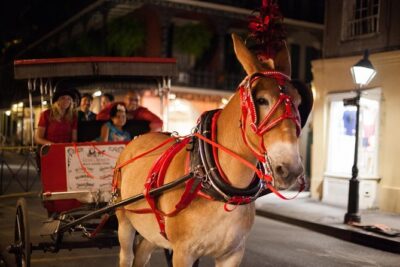 ★ 4.5New Orleans Small-Group Haunted History Carriage TourFrom $652,289 reviews
 ★ 4.5New Orleans Haunted History Ghost TourFrom $302,084 reviews
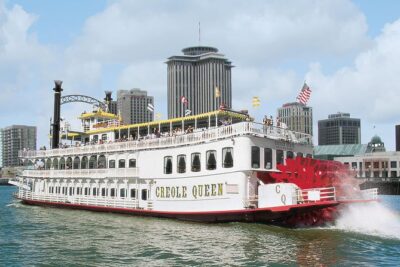 ★ 4.5Paddlewheeler Creole Queen Historic Mississippi River CruiseFrom $471,948 reviews
 ★ 5.0New Orleans Food and History Walking TourFrom $851,544 reviews
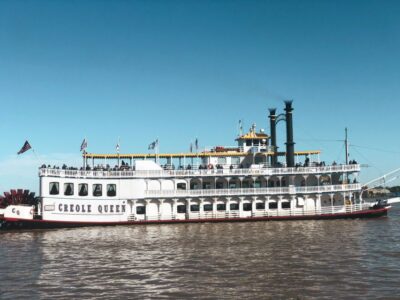 ★ 4.3Creole Queen History Cruise with Optional LunchFrom $471,112 reviews
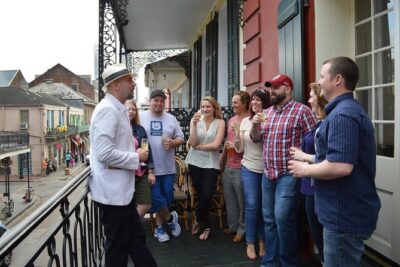 ★ 5.0New Orleans Cocktail and Food History TourFrom $160819 reviews
Browse the lists this tour appears in